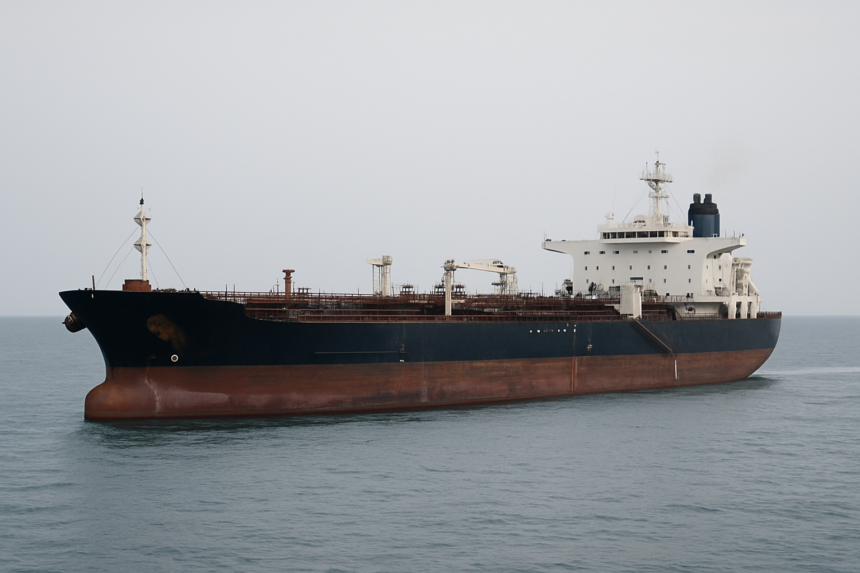
Shipping activity through the Strait of Hormuz has sharply declined, with reports indicating that only one tanker crossed on July 23, the lowest number in over two months. Key analytics firm Kpler noted that this drop is occurring amidst heightened shipping risks and a resurgence in oil prices that have reached $100 a barrel.
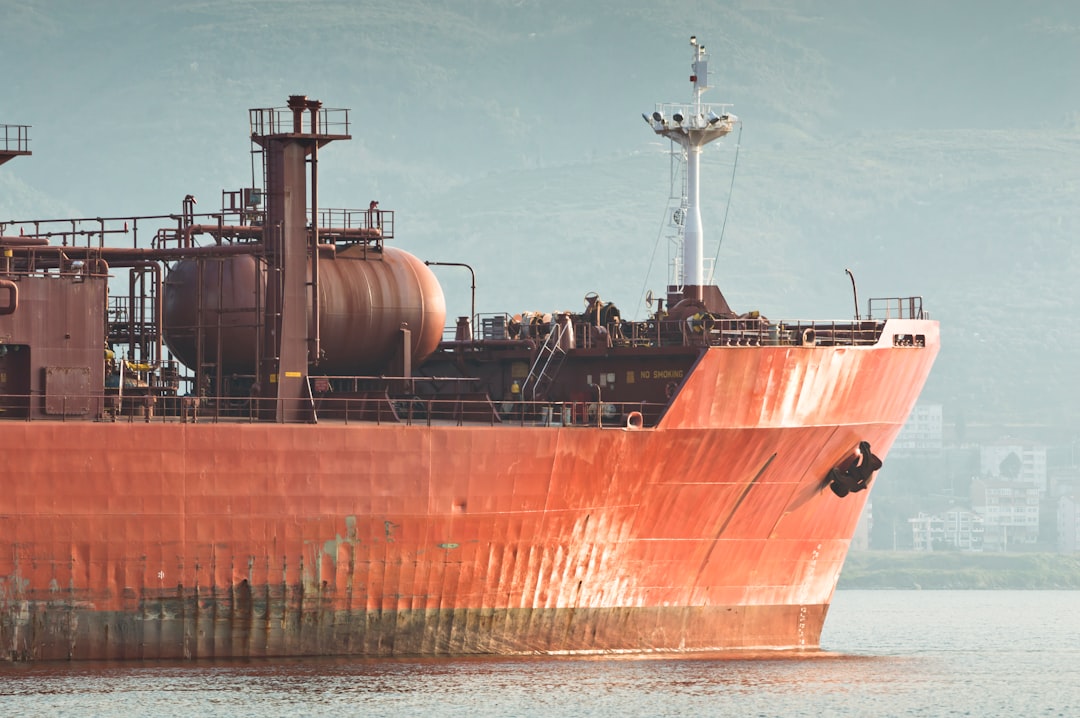
The Incident
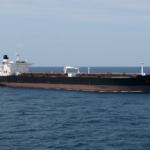
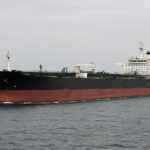
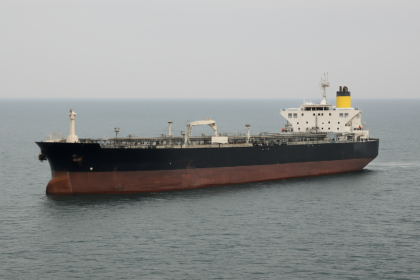
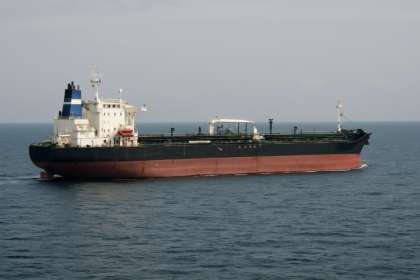
The sole tanker to navigate the strait on July 23 was the very large crude carrier (VLCC) New Giant, which is loaded with 2 million barrels of Iraqi Basrah crude, set to arrive at Rizhao port in China by mid-August. Notably, no vessels entered the strait on the same day, reflecting growing concerns among shipping operators regarding security and operational risks in the region.
Increasing Military Presence
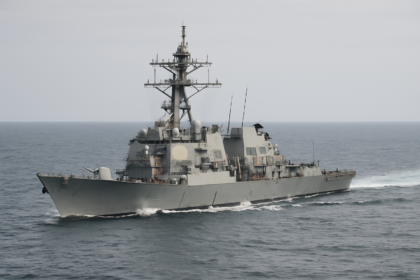
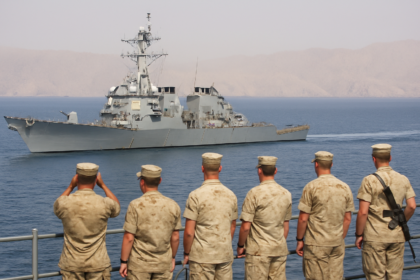
On the same day, the U.S. military confirmed the completion of a 13th consecutive night of strikes against Iranian positions, escalating tensions in a region that is critical for global oil shipping. The continuous military engagements may have contributed to the reluctance of operators to transit through this chokepoint, crucial for the transportation of Persian Gulf oil to international markets.

Operator Responses and Alternatives
In a contrast to the low activity in the Strait of Hormuz, shipping operations in the Bab el-Mandeb strait saw an increase, with 32 crossings reported on July 23, compared to 26 the previous day. Of these, 14 were headed to the Red Sea, while 18 exited towards the Gulf of Aden. Among the exiting tankers, nine were identified as carrying crude oil, including two loaded Chinese supertankers destined for China.
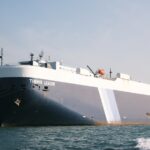
Meanwhile, the clean tanker Torm Innovation, carrying approximately 500,000 barrels of naphtha bound for Asia, opted for a route towards the Suez Canal instead of the typical Bab el-Mandeb exit, a deviation that significantly increases voyage times. This decision indicates a shift in operational strategies as vessel operators seek safer passageways under current geopolitical pressures. In related developments, Saudi Aramco has begun offering additional crude cargoes loading at Sidi Kerir in Egypt’s Mediterranean port as a workaround to ensure the flow of oil, addressing loading limitations faced at its Red Sea ports.
The Operational Read
The sharp decline in tanker traffic through the Strait of Hormuz poses significant implications for oil supply chains and market stability. With ongoing military actions in the region, operators may further reassess risk assessments tied to existing routes. The decision by some to reroute vessels via the Suez Canal exemplifies a trend that could lead to longer transit times and increased shipping costs. Observers should monitor the potential for additional operational diversions and the resulting adjustments in shipping logistics as geopolitical tensions continue to unfold.