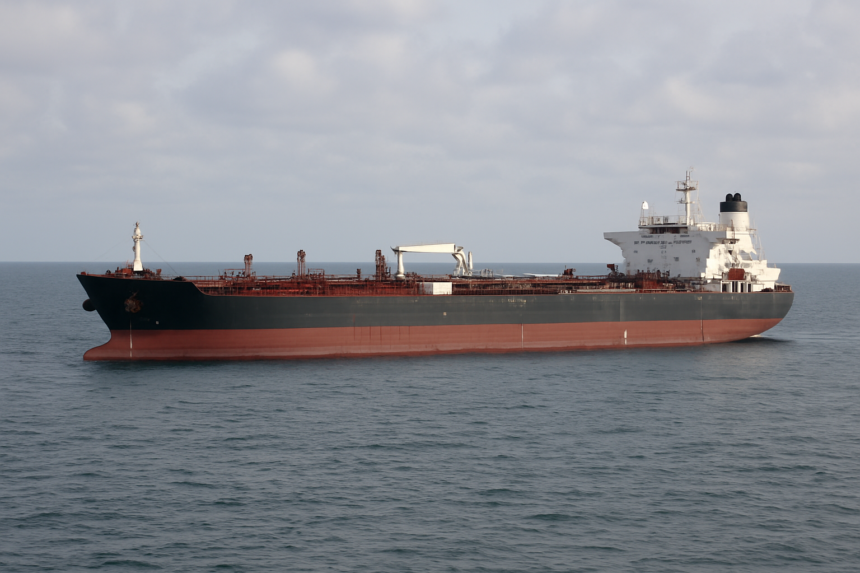
On Wednesday, Yemen’s Houthi movement claimed responsibility for attacks on two Saudi oil tankers in the Red Sea, signaling a sharp increase in hostilities. This development follows the group’s recent announcement of a naval blockade against Saudi Arabia, suggesting an escalatory strategy aimed at testing its limits.
The Incident
The Yemeni Armed Forces stated that the strikes targeted the oil tanker Encelia, among others, marking a significant military action within the strategic shipping corridor of the Red Sea. The Red Sea is a crucial passage for global shipping, and this incident raises pressing concerns about navigational safety and the potential for future attacks.
Market Impact
With ongoing tensions in the region, operators may face increased risks associated with navigating through the Red Sea. The recent attacks could lead to heightened insurance premiums as maritime underwriters reassess the security situation. Additionally, with the declaration of a naval blockade, shipping companies might consider rerouting their vessels, potentially impacting delivery schedules and increasing operational costs.


Operator Response
In light of these developments, shipping companies operating in the Red Sea are likely to enhance their risk management strategies. Increased vigilance, secure route planning, and engagement with maritime security consultants will be crucial in mitigating potential threats. Furthermore, charterers may find themselves negotiating new terms to account for the elevated risks associated with this vital trade route.
The Operational Read
The recent Houthi strikes underscore the precarious nature of maritime security in the Red Sea. Operators must now navigate a landscape where political tensions translate directly into operational risks, including the potential for armed conflict. The declaration of a naval blockade reinforces the need for real-time intelligence and adaptive strategies among vessels traversing these waters. Companies should closely monitor geopolitical developments while considering contingency plans that may involve alternate routing. The unfolding situation necessitates a proactive approach to ensuring the safety of personnel and cargo, especially amidst the backdrop of rising war-risk insurance premiums.