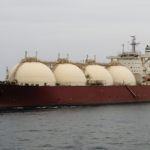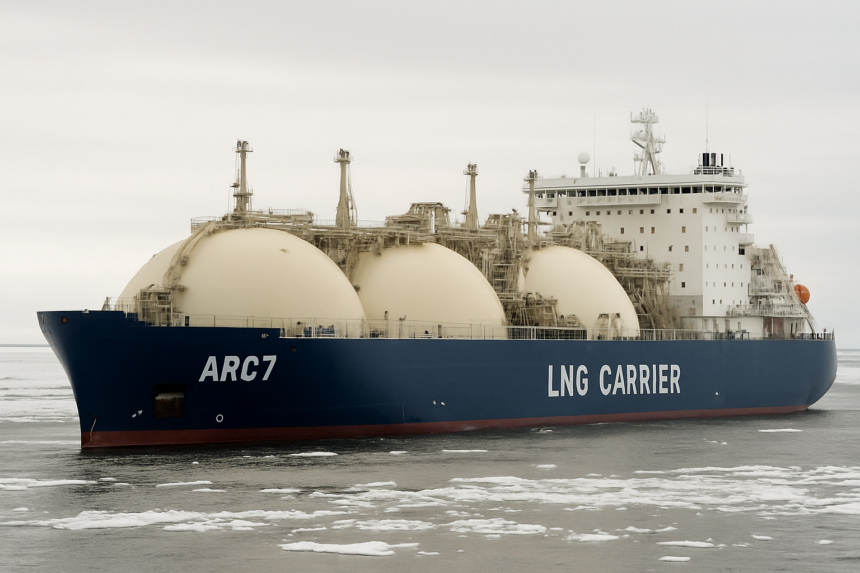
In a significant move against Russia’s energy sector, over 100 lawmakers from the European Parliament and national governments have urged Denmark’s Fayard shipyard to halt the servicing of Arc7 LNG carriers operating under the Yamal LNG project. This appeal, coordinated by the advocacy group Urgewald, highlights the urgency of curtailing maintenance that could prolong the operational viability of these icebreaking vessels.
Political Motivation
Lawmakers argue that continued maintenance at Fayard could undermine European efforts to reduce Kremlin energy revenues, particularly as a phased ban on Russian LNG imports is set to take effect on January 1, 2027. The servicing of Arc7 carriers is seen as exploiting “a final loophole for short-term profit,” according to Danish Member of Parliament Villy Søvndal, a signatory of the appeal. The call to action reflects a broader stance taken by Denmark, emphasizing its political alignment with Ukraine.
Fayard’s Unique Position
Fayard shipyard is currently the sole shipyard in the European Union capable of conducting major maintenance on the Arc7 LNG fleet since Dutch-owned Damen Shiprepair Brest ceased its servicing operations in 2024. The Arc7 fleet plays a crucial role for Yamal LNG, as conventional LNG carriers cannot navigate the harsh, ice-covered Northern Sea Route year-round. These vessels are specifically designed to operate in extreme maritime conditions, necessitating periodic drydock overhauls to maintain their operational efficiency.

Economic Implications
Advocacy groups report that servicing at Fayard could potentially enable six Arc7 carriers to undergo necessary maintenance during the summer of 2026. Given that major overhauls typically occur every three years, this could effectively provide the fleet with a maintenance cycle just ahead of the EU’s sanctions, facilitating continued operations beyond the sanctions threshold. Since the beginning of Russia’s full-scale invasion of Ukraine in 2022, each Arc7 vessel has transported an average of 5.3 million metric tons of LNG, translating to cargo valued at approximately 4 billion euros collectively.
Future Outlook
The urgency of this appeal underscores a growing conflict between energy needs and geopolitical considerations within Europe. As Yamal LNG generates significant revenue for Russia, the success of this advocacy could dictate future shipping and maintenance dynamics in the region.
Behind the Headline
This situation represents a pivotal moment in the intersection of maritime operations and international policy. The demand to halt services at Fayard signals a broader commitment among European lawmakers to leverage maritime regulations as a tool for geopolitical pressure. The operational reality for shipowners and operators will hinge on adhering to impending sanctions versus the logistical needs of the LNG market. Stakeholders should monitor Fayard’s decisions closely, as developments here may alter access to maintenance services for the Arc7 fleet, subsequently affecting Russia’s LNG logistics and European energy security outlook.