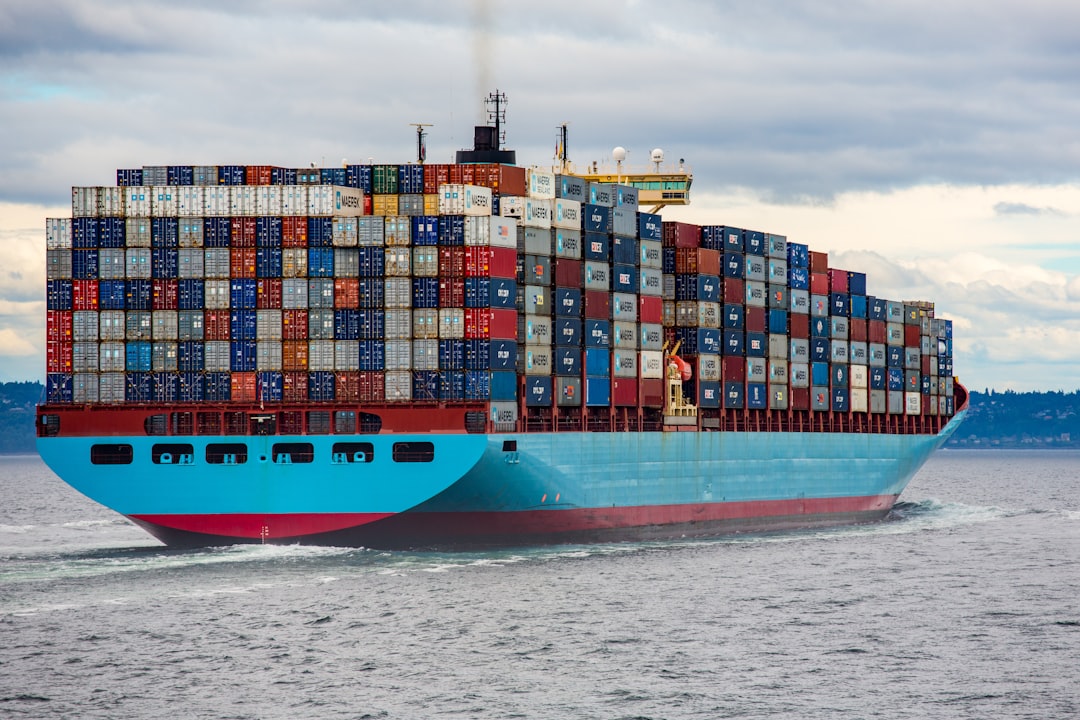
More than 40% of nearly 9,000 ships evaluated are at risk of FuelEU Maritime deficits, according to a recent study conducted by European climate policy consultancy Kickster. The analysis highlights the pressing challenges faced by shipowners as they navigate new regulatory frameworks and strive for compliance with emissions targets.
The Study Overview
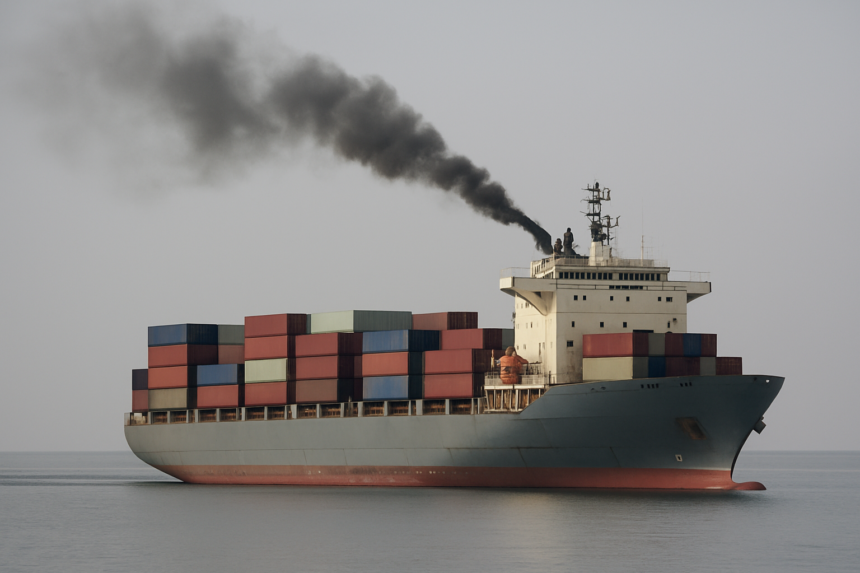
The assessment, which analyzed a total of 8,973 vessels using public EU monitoring, reporting, and verification data, found that a significant share of ships fell into categories associated with potential emissions deficits. This analysis utilized a proxy that fused technical efficiency under the Energy Efficiency Existing Ship Index (EEXI) with operational CO2-equivalent emissions, allowing for a comprehensive evaluation of compliance readiness.
Implications for the Industry
As the maritime sector faces increasing scrutiny over its environmental impact, the findings from Kickster’s study serve as a wake-up call for stakeholders. With regulatory deadlines approaching, shipowners must reassess their operational practices to enhance technical efficiency and reduce emissions. Failing to do so may result in compliance violations and associated penalties.

Future Monitoring and Compliance Strategies
The ongoing monitoring of emissions and compliance with the FuelEU regulations will be crucial in the coming years. Shipowners are encouraged to adopt proactive strategies that align with the evolving regulatory landscape. These strategies may include investing in advanced technologies and improving operational efficiencies to minimize CO2-equivalent emissions and ensure adherence to regulations.
Behind the Headline
The findings of this study emphasize the operational hurdles that shipowners will face as they adapt to the FuelEU Maritime regulations. With over 40% of assessed vessels potentially falling short, there lies a pressing need for comprehensive strategies that address both technical and operational efficiencies. The maritime industry is on the brink of significant transformation as it aligns with climate objectives, necessitating vigilant adherence to guidelines. Stakeholders must closely monitor compliance trends and take proactive measures to mitigate risks of emissions deficits, thereby safeguarding their operations within European waters.