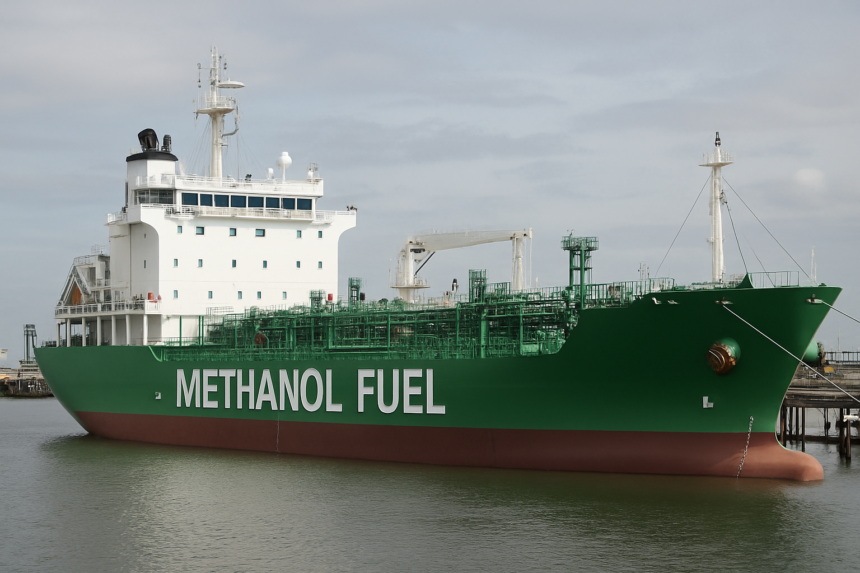
As methanol continues to emerge as a viable marine fuel, the Maritime Technologies Forum (MTF) has released comprehensive guidelines designed to assist companies in developing or adapting Safety Management Systems (SMS) tailored for methanol-fuelled ships. These guidelines, developed in partnership with BIMCO and other industry stakeholders, aim to translate the specific risks associated with methanol into practical recommendations that align with the International Safety Management (ISM) Code.
Focus on Safety Management Systems
The guidelines represent an extension of MTF’s ongoing commitment to promoting the safe integration of alternative marine fuels. They build upon earlier initiatives that provided foundational guidance for alternative fuel SMS, as well as dedicated recommendations for ammonia-fuelled vessels. While the core principles of the ISM Code remain relevant, the guidelines recognize that different fuels present unique hazards that necessitate specialized management approaches.
Methanol is gaining traction as a marine fuel due to its ability to be stored as a liquid at ambient conditions, allowing it to be processed using storage and operational frameworks similar to those for traditional liquid fuels. However, the environmental benefits of methanol are contingent upon the methods of its production. In light of its potential toxicity, low flashpoint, and difficulties associated with vapour detection, there are imperative safety challenges that must be addressed within existing SMS frameworks.

Recommendations for Implementation
The new guidelines provide essential operational protocols, emergency preparedness strategies, and maintenance recommendations—all crucial for effective risk management tailored to methanol use. The guidelines stress the need for meticulous procedural controls and comprehensive risk assessments, emphasizing proactive emergency plans. Each functional area of the SMS, including training, management of change, incident reporting, and auditing, is addressed in the context of methanol operations.
Furthermore, these guidelines highlight the critical role played by personnel competence and training in ensuring safe operations with methanol. As companies prepare to manage a dual-fuel scenario of conventional fuels and methanol during the transition phase, the guidelines advise establishing adaptable SMS frameworks. This ensures that roles and responsibilities remain clear, avoiding potential operational confusion.
Continuous Learning and Improvement
As the industry gathers more experience with methanol-fuelled vessels, the guidelines recommend fostering a culture of organizational learning to enhance safety practices continually. Companies are encouraged to document and analyze incidents, near-misses, and equipment failures to refine risk assessments and improve procedures and training accordingly. Such a focused approach to operational learning will contribute to establishing a safer environment for all involved.
Why It Matters
Implementing these guidelines will be crucial for operators venturing into methanol fuel use, balancing the need for innovation with safety imperatives. Effective Safety Management Systems that incorporate the operational nuances of methanol will be paramount as the industry strives towards decarbonisation goals. Stakeholders must remain vigilant as methanol adoption expands, ensuring that training and operational practices evolve alongside technological advancements. The industry’s collective understanding of methanol’s unique challenges will ultimately shape the efficacy of this alternative fuel in maritime applications.