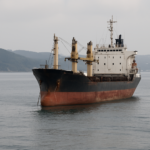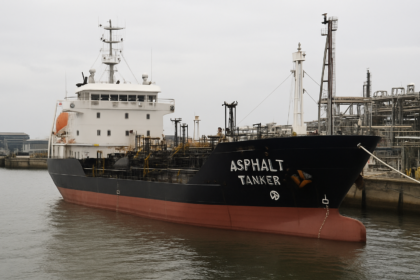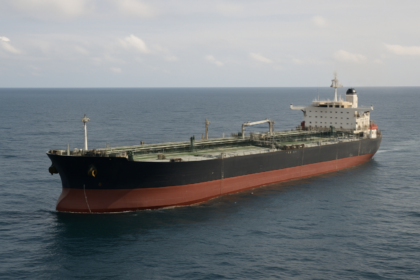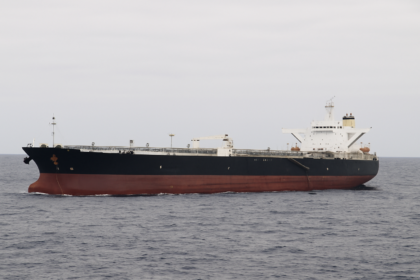
Protests occurred Thursday at Marathon Petroleum’s refinery in Garyville, Louisiana, as American merchants rallied against the Jin Zhou Wan, a Chinese-flagged tanker slated for another domestic voyage under a controversial Jones Act waiver. The vessel, owned by China COSCO Shipping Corporation’s subsidiary, is set to load asphalt for transit between U.S. ports, marking at least its third approved coastwise trip under the emergency exemption.
The Jones Act Waiver
The Trump administration invoked the waiver in March, utilizing Section 501 of the Merchant Marine Act to address national defense issues arising from the Iran conflict and related shipping threats in the Strait of Hormuz. While initially granted for 60 days, the waiver was later extended for an additional 90 days, allowing certain foreign-flag vessels to transport energy cargoes that would typically require U.S. vessels under the Jones Act.
Organizations such as the Seafarers International Union (SIU) have voiced strong opposition to these waivers, arguing that they allow foreign vessels to engage in activities meant for U.S.-flagged ships and crews. SIU Vice President Chris Westbrook stated, “Louisiana’s mariners should not have to stand by on the dock while a Chinese state-owned shipping company takes over work that belongs on American vessels.”

Operational Challenges and Economic Impact
Recent analyses, including studies from Navigistics Consulting and Reuters, have suggested that the waiver has not led to significant increases in domestic fuel supplies or reductions in gasoline prices. The SIU has highlighted the economic importance of the Jones Act, emphasizing its role in sustaining family-supporting jobs and maintaining maritime readiness in the U.S. fleet.
As tensions have eased thanks to a memorandum of understanding reached in June between Washington and Tehran, the rationale for the waiver is increasingly under scrutiny. Legislative and union pressures continue to mount, demanding a reevaluation of the waiver as critics urge the administration to allow it to expire.
The Operational Read
The ongoing protests against the Jones Act waiver highlight the critical pinch that U.S. maritime labor faces amid foreign competition. While the waiver was designed to address immediate national defense needs, its implications for American workers are substantial. Operators may need to reassess routes and domestic capacity in light of these protests and potential policy changes. Additionally, maritime unions’ front-line advocacy could be a bellwether for future industry standards, especially concerning the balance between national security and local economic impacts. Observers should watch for developments in regulatory policies and how they may influence domestic shipping practices.