The International Maritime Organization (IMO) has issued a stern warning to operators regarding the deteriorating security situation in the Strait of Hormuz, urging caution in light of recent military escalations by the United States against Iran. The U.S. Central Command (CENTCOM) confirmed it struck more than 80 targets across Iran on Tuesday, targeting military assets including air defense systems and anti-ship missile capabilities in direct response to attacks on commercial shipping.
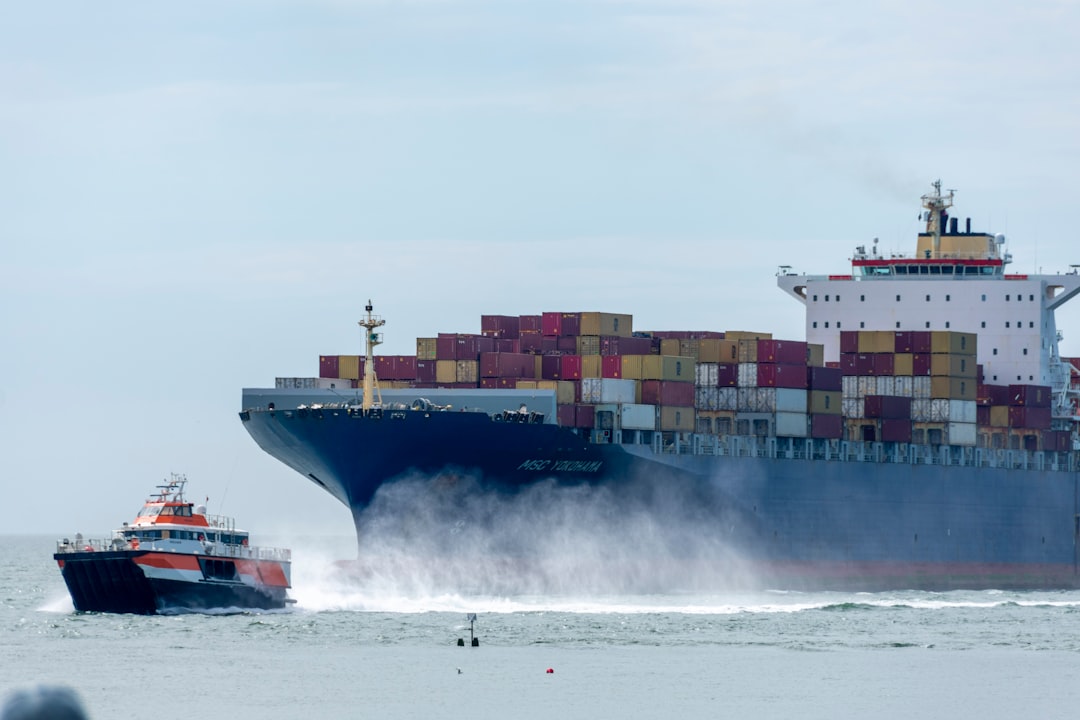
On the same day, Iran was implicated in attacks on three merchant vessels: the Marshall Islands-flagged Al Rekayyat, the Saudi Arabia-flagged Wedyan, and the Liberia-flagged Cyprus Prosperity. CENTCOM characterized these actions as a “clear and dangerous violation of the ceasefire” agreement that threatens freedom of navigation through one of the world’s crucial maritime chokepoints.
Escalation of U.S. Actions
The latest operations followed the revocation of temporary sanctions waivers for Iranian oil exports by the Trump administration, which replaced the previously issued General License X with a new 10-day wind-down period for existing transactions. This license restricts new purchases of Iranian crude oil, petroleum products, or petrochemicals effective immediately, reflecting a significant policy shift aimed at curtailing Iran’s maritime operations.

The U.S. administration’s military and economic responses mark a notable escalation in the ongoing conflict with Iran, as President Trump indicated a dismissal of the recent understandings meant to stabilize the situation in the region during a press conference prior to a NATO summit in Turkey.
Impact on Maritime Operations
In reaction to these developments, IMO Secretary-General Arsenio Dominguez has condemned the attacks targeting several commercial vessels, emphasizing the paramount importance of seafarer safety. He reiterated that no crew should face risks simply for conducting their duties in the region. Consequently, the IMO strongly urged shipowners, operators, and flag states to avoid exposing crews to unnecessary danger by reconsidering transits through the Strait of Hormuz until conditions improve.
With approximately 6,000 seafarers currently stranded aboard vessels unable to leave the Persian Gulf unscathed, the situation highlights the escalating fears and uncertainties within the maritime community.
The Operational Read
The escalating tensions in the Strait of Hormuz directly impact operational strategies for shipping companies and charterers alike. With ongoing military actions, the risks surrounding vessel transits necessitate comprehensive risk assessments. Operators may need to explore alternative routes to maintain supply chain continuity while safeguarding crew members. Furthermore, the current geopolitical instability could lead to increased war-risk premiums and insurance costs, affecting shipping economics. Attention must remain focused on the evolving security landscape, particularly regarding any new agreements or de-escalation measures that may emerge to ensure safe passage in this vital maritime corridor.