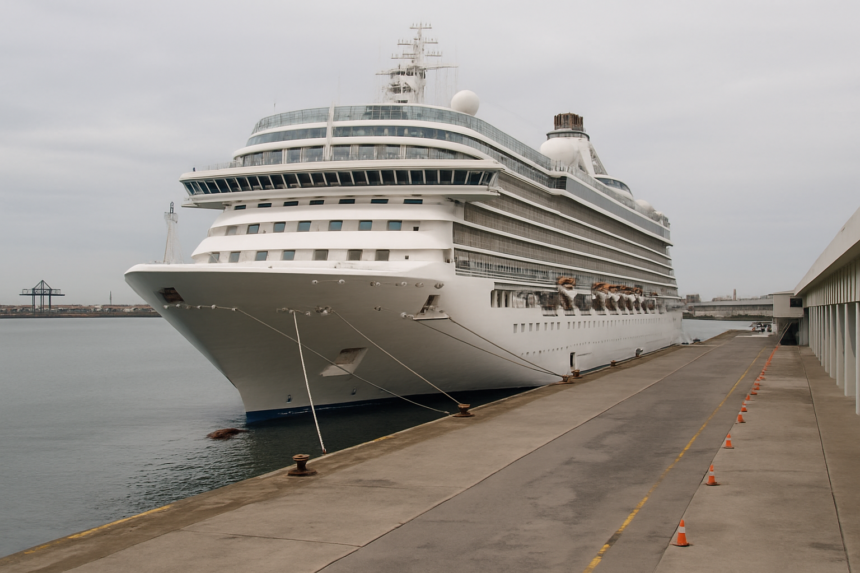
The Port of Québec is poised to enhance its operational sustainability with the introduction of shore power facilities by 2028, following a confirmed investment of CAD 5 million from the Government of Québec. This initiative targets both cruise and cargo ships, aiming to reduce emissions and support electrification in the maritime sector.
Infrastructure Development
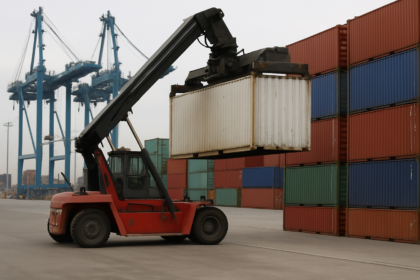
Shore power facilities will be installed at Wharf 30 specifically for cruise ships, while cargo vessels will utilize infrastructure at Wharf 101. This development is part of a comprehensive push to create a greener maritime corridor along the Canada-New England route, which encompasses several key ports expected to adopt similar capabilities by 2030, including Montréal, Charlottetown, Halifax, Boston, and New York.
Environmental Impact
The establishment of shore power capabilities at the Port of Québec marks a significant step towards sustainability. Shore power allows ships to connect to the electrical grid while docked, enabling them to switch off their onboard generators and reduce fuel consumption and emissions. This move is expected to appeal to environmentally-conscious shipping lines and contribute to regional air quality improvement.

Operational Considerations
As the Port of Québec prepares for these developments, operational adjustments will be necessary to facilitate smooth transitions for ships utilizing shore power. Port authorities will need to ensure that the electrical supply infrastructure is robust enough to handle the power requirements of large vessels. Additionally, the integration of shore power may affect laytime and demurrage agreements as operators plan port calls.
Behind the Headline
The introduction of shore power at the Port of Québec reflects a broader trend in the maritime industry towards sustainability and operational efficiency. By reducing reliance on fossil fuels during port stays, shipping companies can not only lower emissions but also improve their overall cost structures by minimizing fuel usage. This infrastructure shift will require close collaboration among port authorities, shipping lines, and local government entities to ensure a seamless transition. Observers should monitor developments related to infrastructure investments and regulatory frameworks governing shore power capabilities as other ports along the corridor follow suit.