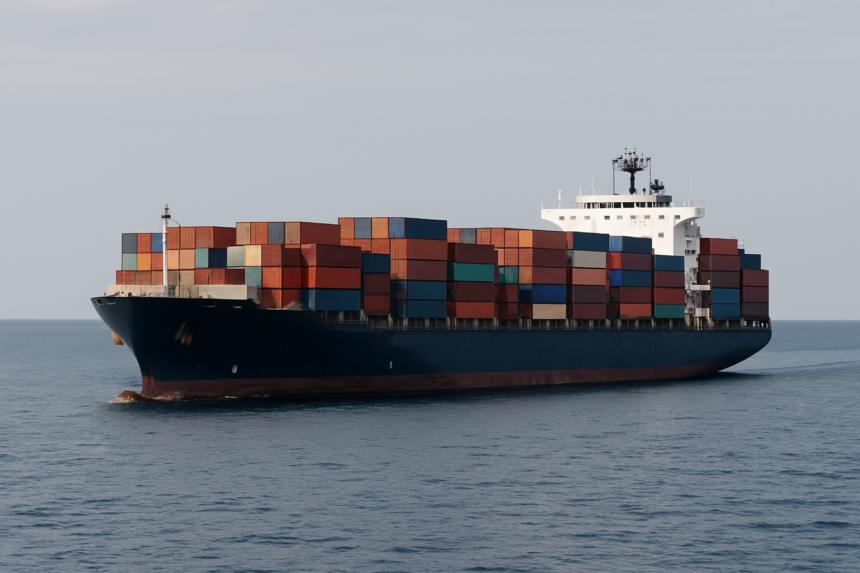
On Thursday, the Panama Maritime Authority (PMA) announced its reinstatement on the White List of the Paris Memorandum of Understanding (Paris MoU), as detailed in the organization’s recently published Annual Report. This recognition is a significant milestone, emphasizing Panama’s compliance with stringent international standards for maritime safety and regulatory oversight.

Strategic Improvements
Inclusion in the Paris MoU White List underscores a nation’s commitment to excellence in maritime governance, and Panama’s return follows a comprehensive strategy aimed at enhancing the performance of its flag vessels during Port State Control (PSC) inspections. The PMA has focused on elevating safety standards, improving compliance with international conventions, and reinforcing oversight of its merchant fleet.
Among the initiatives implemented are a strengthened preventive inspection program targeting higher-risk vessels before their arrival at port, the introduction of rigorous mechanisms for monitoring vessels with prior deficiencies, and an enhanced precheck process for accepting vessels into the registry.


Ongoing Commitment to Excellence
Furthermore, the PMA has adopted improved methodologies for Flag State Inspections that bolster both technical and operational verification processes. By expanding oversight of Recognized Organizations (ROs), shipowners, and operators, Panama promotes a culture of shared responsibility over maritime compliance standards.
The impact of these measures reflects not only in the reinstatement on the White List but also in the observance of a significant decrease in maritime incidents and improvements in fleet performance, demonstrating a focused policy on prevention and continuous regulatory enhancement.
Why It Matters
Panama’s reinstatement on the Paris MoU White List is crucial for international shipping operators, as it enhances the competitive edge of the Panama Ship Registry. By meeting and surpassing governance expectations, the PMA provides greater operational advantages and confidence to shipowners utilizing the Panamanian flag. Moving forward, close attention should be paid to continued compliance efforts and the impact of these strategies on the quality of flagged vessels during inspections across the global maritime landscape.