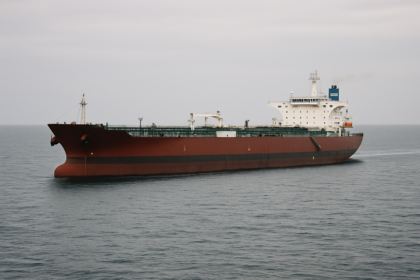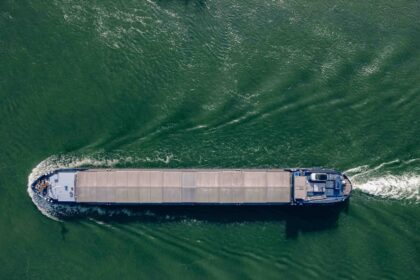
Effective immediately, the United Kingdom has expanded its emissions trading scheme (ETS) to encompass domestic shipping, now mandating that cargo and passenger vessels of 5,000 gross tons (gt) and above participate. This regulatory change aims to enhance the UK’s efforts to reduce carbon emissions across various sectors, including maritime operations.

Scope of the Extended Scheme
The UK ETS extension applies to voyages between UK ports and encompasses in-port activities, such as cargo operations, hotelling, and internal movements. This means that operators of qualifying vessels must now account for carbon emissions related to both their transit and activities within ports.
Shipping companies will need to evaluate their compliance strategies as this requirement creates additional obligations for reporting and monitoring emissions. The imposition of these regulations comes as part of the UK’s broader environmental strategy to achieve net-zero carbon emissions by 2050.


Impact on Ship Operators
Operators impacted by these changes will face increased operational costs as they adapt to the ETS framework. Companies may need to invest in new technologies or processes to accurately measure emissions and comply with reporting standards. This might include upgrades to monitoring systems or changes in operational protocols to optimize fuel consumption and minimize emissions.
Furthermore, the extension of the ETS to shipping reflects a growing trend in global maritime policy, where emissions reduction is becoming a focal point for regulatory bodies worldwide. Operators should start preparing for similar initiatives that may arise in other jurisdictions as climate action intensifies.
Why It Matters
The integration of shipping into the UK ETS fundamentally alters the operational landscape for domestic maritime activities. Ship operators must swiftly adapt their compliance protocols and train crews on new reporting requirements, which could lead to substantial shifts in operational practices. This adaptation is not merely regulatory; it is an essential component of maintaining competitive effectiveness as the industry moves toward greener solutions. Going forward, close attention should be laid on the evolving regulatory frameworks globally, as other jurisdictions may follow suit, potentially leading to a comprehensive shift in how emissions are managed in maritime operations.