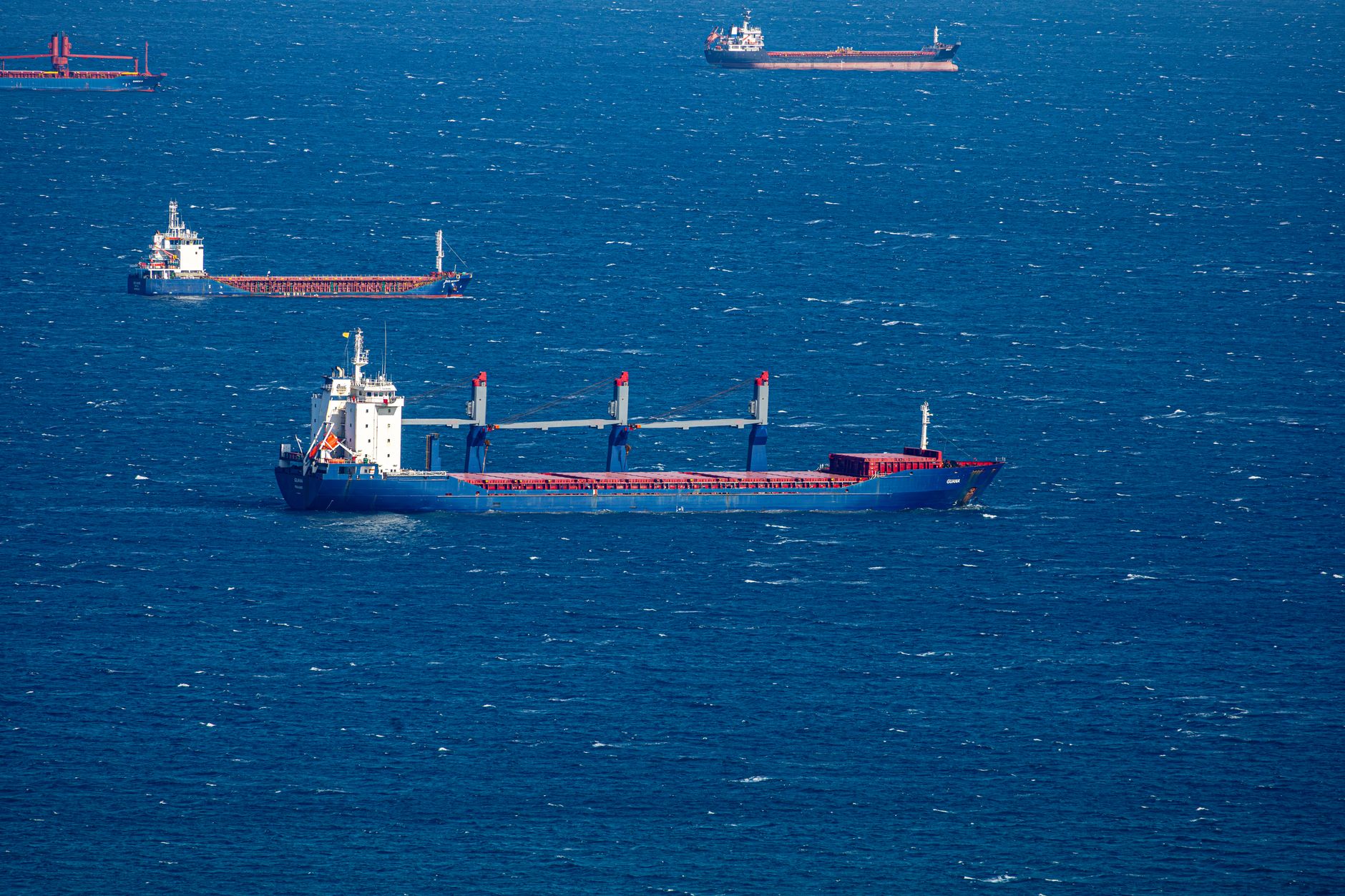
On 24 June, the Strait of Hormuz registered a remarkable uptick in shipping activity, with 62 verified transits reported by AXS Marine. This represents the highest daily total observed since the onset of regional conflict, achieving 53% of the traffic logged on the same day in the previous year. These figures indicate a recovering operational environment for mariners in a strategically vital corridor.
Recovery in Maritime Traffic
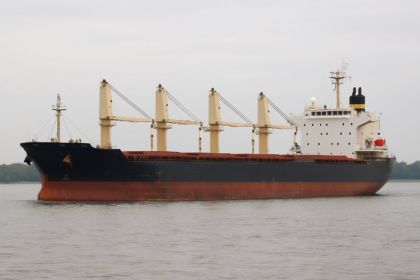
The five-day average from 20 to 24 June noted a substantial increase in daily crossings, now at an average of 38.2, dramatically up from just 4.5 per day recorded in early June before the recently signed Memorandum of Understanding (MoU) between the U.S. and Iran. Notably, dry bulk traffic has shown the most impressive recovery, reaching 100% of projected activity levels for 2025 on 24 June, marked by 22 observed crossings.
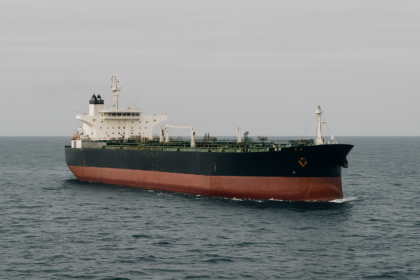
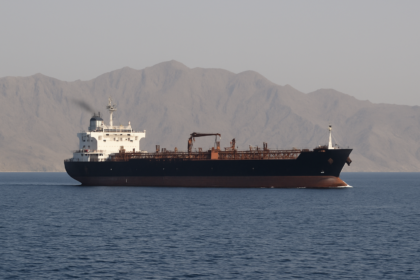
In addition, tanker traffic is catching up. The average for tankers between 20 and 24 June was reported at 35% of expected 2025 activity, with the peak registered at 51% on the 24th. This recovery points toward a potential normalization of supply routes previously disrupted by the escalating tensions in the region.

LNG Traffic Resurgence
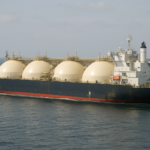
Liquefied Natural Gas (LNG) crossings, which have been exceptionally sparse, have shown encouraging signs of recovery. Of the 14 confirmed LNG transits since 1 March, 10 occurred after 18 June, underscoring a renewed confidence among operators. Notably, four LNG carriers transited on 22 June, showcasing the reinstatement of trade dynamics in the sector.
Additionally, the re-establishment of AIS contact by six tankers within the Persian Gulf on 24 June, after extended periods of blackout ranging from three weeks to two months, signifies a critical moment for maritime operations in the area.
The Operational Read
As traffic through the Strait of Hormuz reaches pre-war levels, the implications for shipping operators and the broader market are significant. The notable resurgence in dry bulk and LNG movements signals a potential easing of restrictions and a cautious shift toward operational stability in the region. Operators should remain vigilant, however, as the current recoveries are uneven and contingent upon the geopolitical landscape. Continued monitoring of AIS data will be essential for anticipating potential disruptions and ensuring timely adjustments to routing and scheduling. Key developments to watch will include the stability of tanker movements and the implications for freight rates as normalcy gradually resumes.