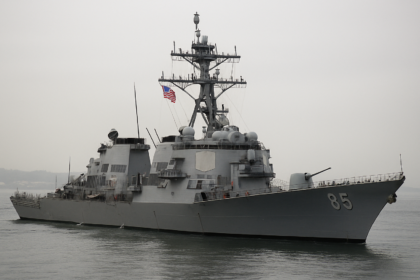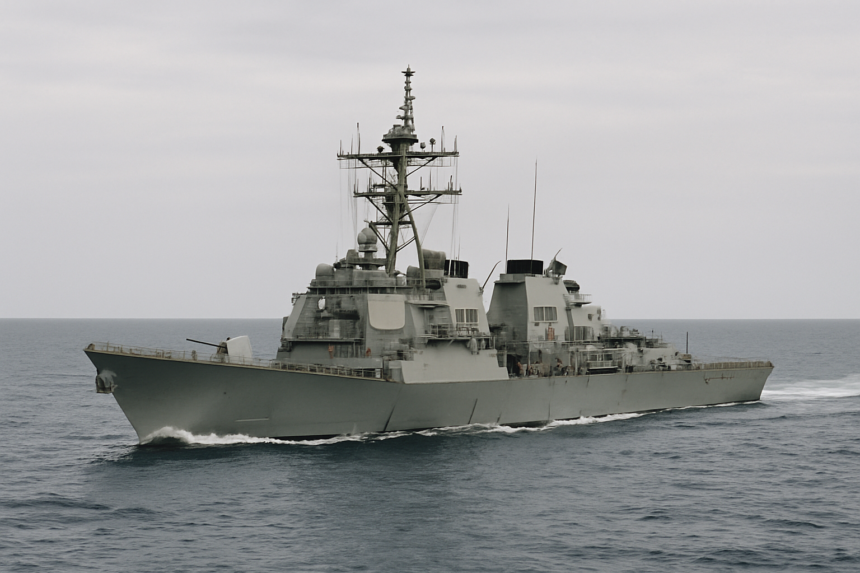
On June 28, the UK Ministry of Defence announced plans to scrap the replacement of its aging destroyers, opting instead for the development of hybrid Common Combat Vessels (CCVs). This strategic shift aims to align naval capabilities with the increasing role of uncrewed systems in modern warfare.
Change in Naval Strategy
The Royal Navy’s existing fleet of six Type 45 destroyers is scheduled to be decommissioned by 2038. Originally, these vessels were to be succeeded by a new class of Type 83 destroyers. However, the newly unveiled Defence Investment Plan pivots toward creating at least six CCVs, which will not only replace the destroyers but will also integrate control functions for uncrewed aerial, surface, and underwater systems. This approach showcases a broader defense strategy focused on adapting to contemporary warfare dynamics.
Operational Capacities and Innovation
Defence Secretary Dan Jarvis stressed the necessity for ships designed with the evolving nature of threats in mind. The CCVs, intended to support British naval personnel, represent the government’s commitment to employing advanced technology and maintaining operational readiness in maritime security. These vessels will be built domestically, bolstering jobs and industries within the UK. The planned delivery for these new vessels is anticipated in the early 2030s.

Jarvis highlighted that the CCVs would work in conjunction with crewed frigates and other unmanned maritime systems, illustrating a comprehensive approach to naval operations amid changing tactical requirements. This decision comes as former defense minister John Healey voiced concerns over adequate funding for military preparedness, which Jarvis aims to rectify by prioritizing immediate operational needs in the Defence Investment Plan.
The Operational Read
The transition to hybrid Common Combat Vessels underscores a significant operational shift for the Royal Navy, emphasizing integration with uncrewed technologies. For naval operators and crews, this change represents an adaptation to a multifaceted threat landscape, requiring new training protocols and operational doctrines. The commitment to domestic shipbuilding not only enhances capabilities but also supports the broader defense industrial base. As the environment of maritime conflict evolves, stakeholders should closely monitor advancements in unmanned systems and their implications for naval strategy and operational effectiveness.