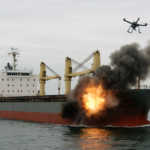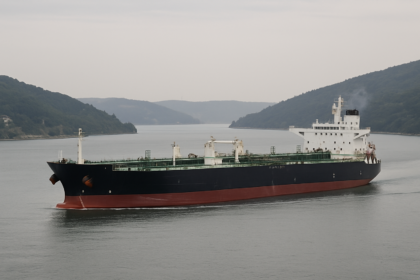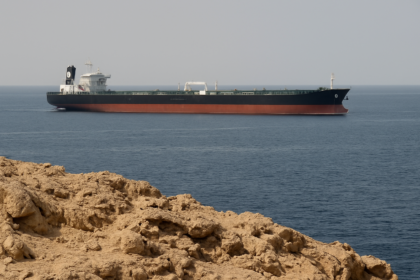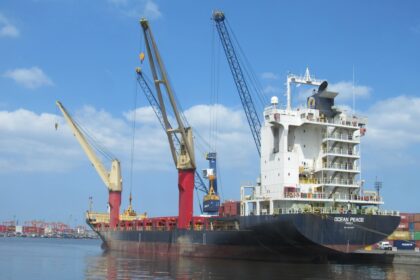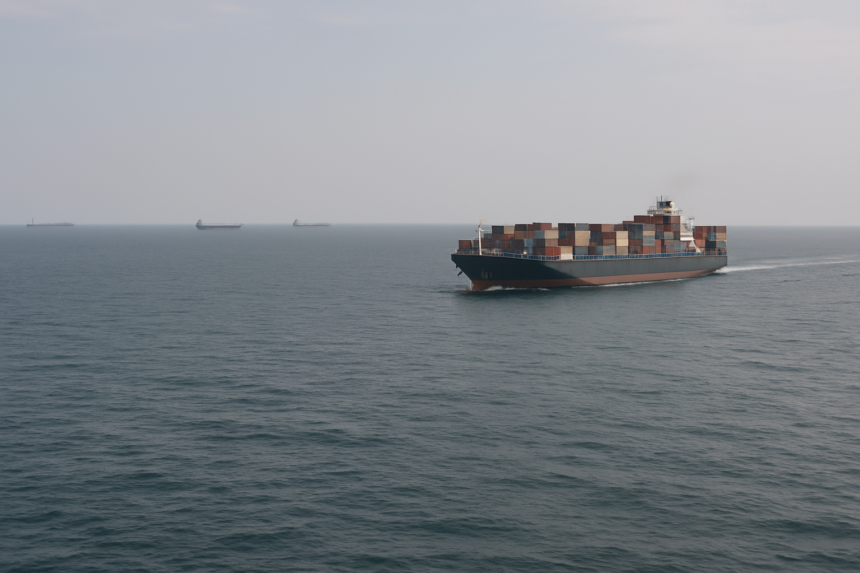
The United Nations’ International Maritime Organization has reported that approximately 80 mines continue to pose a significant risk in the historically vital shipping lanes of the Strait of Hormuz. The presence of these mines complicates the restoration of normal operations in this key oil transit route, which handles a substantial volume of global energy supplies.
The Current Shipping Environment
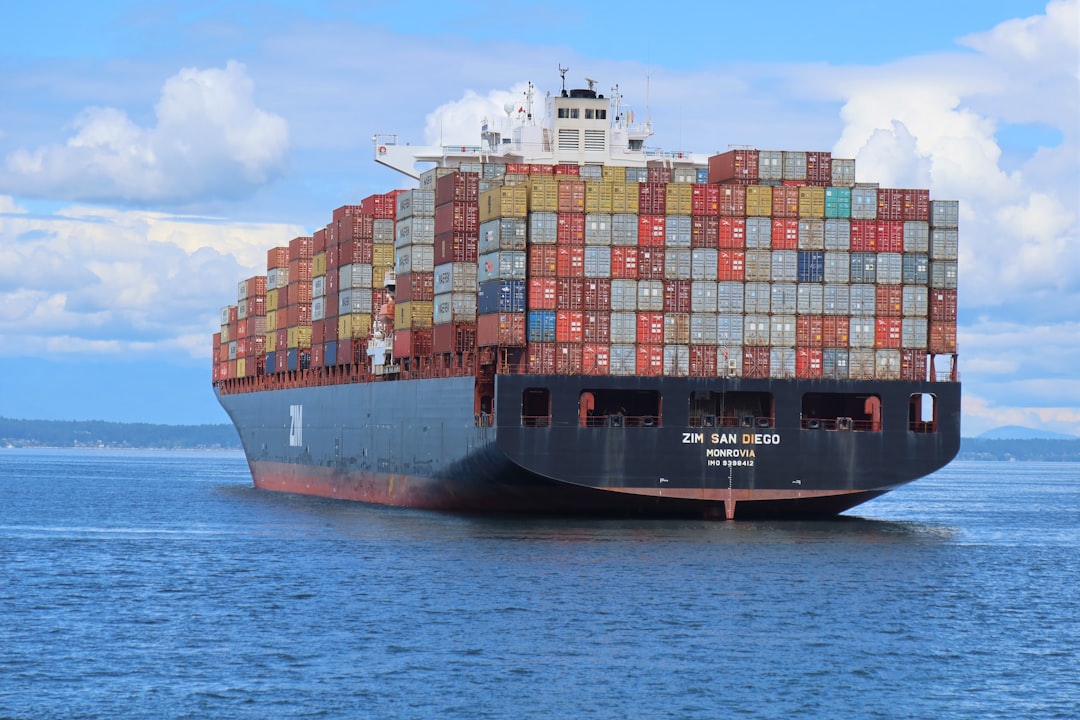
The ongoing geopolitical tensions spurred by the Iran war have led to the creation of two alternative shipping routes in the Strait of Hormuz. One route, coordinated by the United States, follows the coast of Oman, while another, closer to Iran, remains under Tehran’s control. The middle corridor, known as the Traffic Separation Scheme, is suspected of containing explosively laid mines, exacerbating concerns among shipowners and crews engaged in the transport of oil, gas, and other cargoes.
In the aftermath of an interim peace deal between the United States and Iran, the shipping industry has urged maritime authorities to facilitate the reopening of the traditional passage through the strait. However, the process of mine clearance is anticipated to extend over several weeks, with Iran tasked with the responsibility of demining operations as per the agreement.

Recent Developments
Incidents of heightened tension have been reported, including an attack on a vessel within the Omani route that prompted other shipping operators to alter their courses. This incident has led the International Maritime Organization to suspend plans for evacuating freighters currently immobilized in the Persian Gulf for extended durations. Reports indicate that as a result of the peace agreement, oil exports from the region have recently surged, reaching approximately 80% of pre-war export levels, reflecting a cautious optimism among stakeholders.
Furthermore, navigational warnings issued by Pakistan, which oversees shipping safety in the region, recently confirmed the detection of a mine near Oman. The US Navy has indicated that the southern shipping route currently remains free of mines, providing some reassurance to operators moving through this area.
The Operational Read
The ongoing mine threat in the Strait of Hormuz highlights a critical operational challenge for shipping companies and crews. With oil and gas transport heavily reliant on safe passage through this zone, the implications of delayed mine clearance could disrupt commercial operations further. Operators will need to consider rerouting and increased war-risk premiums in their logistical planning. Monitoring the progress of Iran’s demining efforts and ongoing geopolitical developments will be essential in determining the future of safe navigation in this vital area.