Karachi Gateway Terminal Ltd (KGTL) is planning to invest up to $100 million over the next five years as part of its strategy to capitalize on a surge in cargo traffic linked to the ongoing conflict in Iran. The increase in freight volumes has created an opportunity for Pakistan to establish itself as a key transshipment hub for regional shipping.
Investment Plans
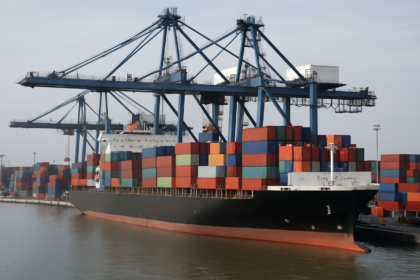
CEO Khurram Aziz Khan indicated that KGTL has already completed a $60 million dredging project at Karachi Port and is currently focused on expanding its container and bulk-handling facilities. The proposed investment aims to enhance yard capacity, increase the number of larger cranes, and develop dedicated bulk export infrastructure, including silos and warehouses. This will significantly improve the port’s operational capabilities for both imports and exports.
Khan noted that KGTL is also looking into investing in rail freight. This includes the acquisition of locomotives and rolling stock to link agricultural areas with the port, facilitating the competitive export of crops such as corn and rice. “For transit as well, you need to provide a complete solution,” he stated, emphasizing the importance of integrated transport options.


Impact of the Iran Conflict
The ongoing conflict in Iran has proven to be a double-edged sword for regional logistics. Cargo that was destined for Iran is being rerouted through Karachi, resulting in increased volumes for the terminal. Khan remarked that historically, Pakistan has not handled significant transshipment volumes, but the current situation presents a transformative opportunity.
The recent dredging project allows Karachi Port to handle bulk vessels of up to 120,000 metric tons, a significant increase from the previous capability of 60,000 metric tons. This upgraded capacity, coupled with revised handling parameters expected shortly from Karachi Port Trust, is essential for accommodating larger vessels efficiently.
KGTL is also committed to enhancing its bulk terminal operations. The terminal aims to reduce the handling time for a 60,000-ton vessel from 12-15 days to approximately 2.5 to 3 days. This improvement is critical for maintaining competitive turnaround times and meeting growing demand.
Infrastructure Needs
Despite these advancements, sustaining the operational gains hinges on enhancing road and rail infrastructure. An efficient logistics network is vital for supporting increased transshipment volumes and ensuring food security through bulk-export capabilities.
As KGTL embarks on this investment journey, the focus will remain on integrating services that bolster both container and bulk handling, aligning with the push for a comprehensive solution to facilitate smoother cargo movement throughout the region.
Behind the Headline
The ambitious investment plans from Karachi Gateway Terminal reflect strategic shifts in regional logistics dynamics prompted by geopolitical events. As operators adapt to the cargo surge, the emphasis on enhancing port capabilities and integrating rail networks is pivotal. This multi-faceted approach not only aims to establish Pakistan as a transshipment hub but also addresses the necessity for efficient export solutions amidst fluctuating global trade patterns. Observers should monitor the development of supporting infrastructure and operational efficiencies, which will be crucial for sustaining this new cargo flow over the long term.