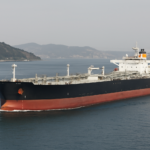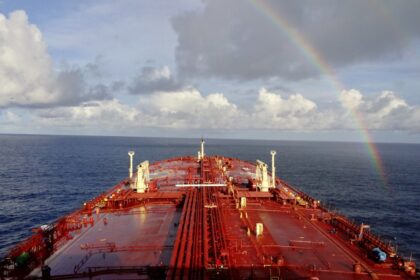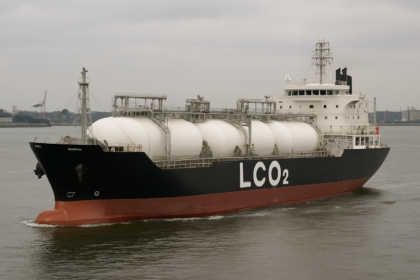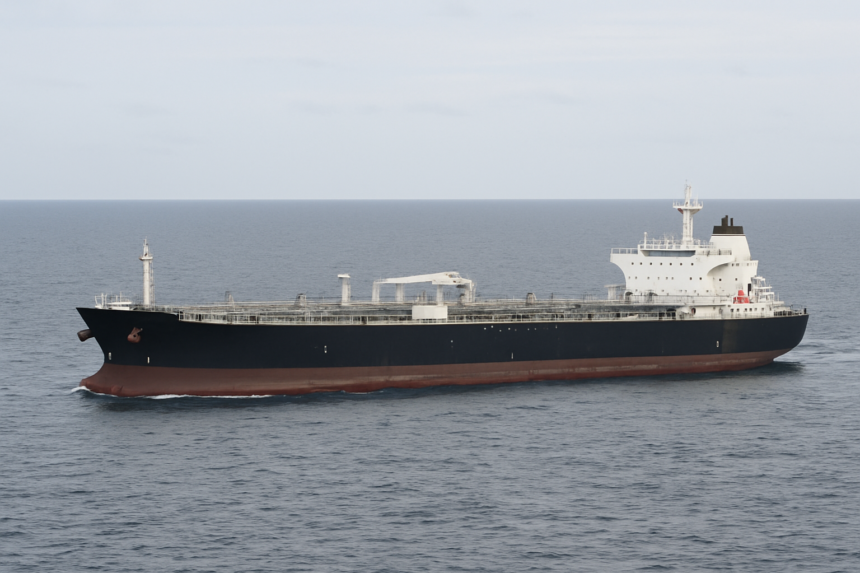
Greek shipping company Ionic has announced it has ordered four new tanker vessels at Japanese shipyards, continuing its established preference for Japanese-built tonnage. This order includes a combination of suezmax and aframax designs, aligning with current market demands for these vessel classes.
Strategic Focus on Japanese-Built Tonnage
Japanese shipyards are renowned for their high construction quality and durability, which are key factors for operators like Ionic. The decision to procure vessels from Japan is indicative of Ionic’s long-term strategy in maintaining operational efficiency and reliability in its fleet. Although specific details regarding pricing and delivery schedules have not been disclosed, this investment signals Ionic’s commitment to procuring vessels that meet stringent international standards.
Market Implications
The acquisition of these tankers comes amid a fluctuating market that has seen varying demand across different tanker classes. Suezmax and aframax tanks are increasingly desirable due to their versatility for crude oil and refined product transportation. The choice to invest in these types reflects confidence in the ongoing demand as shipping dynamics evolve. Additionally, the continued focus on Japanese construction points to broader trends among operators prioritizing quality over immediate cost savings.

Industry Context
Operating from Greece, Ionic is well-positioned in the global shipping landscape and is witnessing growth alongside increased trade. The company’s fleet expansions will enable better service capabilities, particularly in regions where flexibility in tanker sizes is essential. As competition among shipping companies escalates, investments in reliable and efficient vessels are becoming critical in maintaining competitive advantages.
Behind the Headline
The order of four tankers by Ionic emphasizes the importance of quality shipbuilding in the competitive maritime sector, particularly in light of the complex logistics and regulatory environments operators face today. For maritime stakeholders, this move signals a strategic long-term commitment to enhancing fleet capabilities while remaining aligned with quality standards. The market should remain vigilant for updates on delivery schedules and how Ionic utilizes these vessels in evolving trade routes.