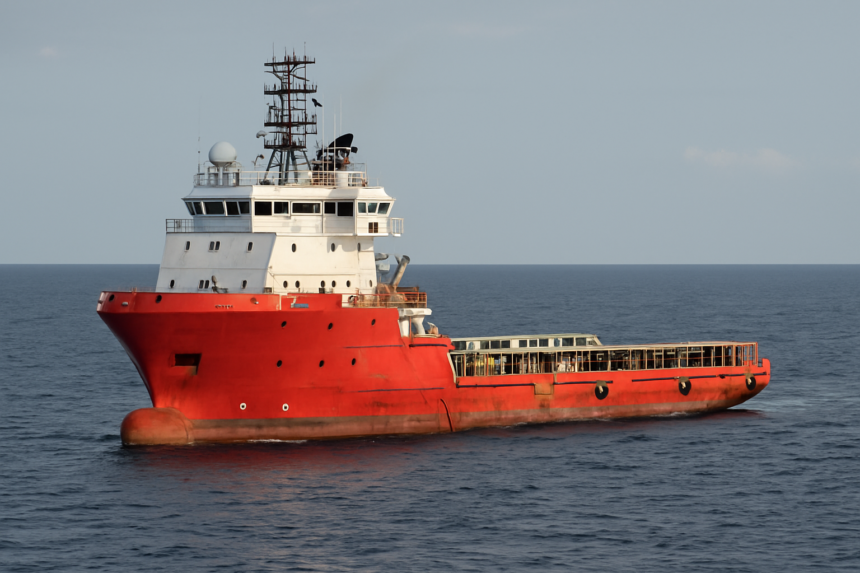
The largest shareholder of Seacor Marine Holdings Inc. has urged the company’s board to consider selling the fleet operator as a strategy to enhance shareholder value. In a letter to the board, Jorey Chernett, managing member of Pointillist Family Office, articulated concerns regarding the stark disparity between Seacor’s current share price and its net asset value.

Current Valuation Concerns
As of Monday, Seacor’s shares were trading at $6.63, leading to a market capitalization of approximately $180 million. In contrast, Chernett estimates the company’s net asset value should be over $20 per share based on brokerage appraisals. This valuation gap is of particular concern to investors, leading Chernett to call for an immediate and thorough evaluation of strategic alternatives.
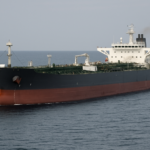
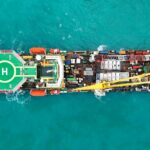
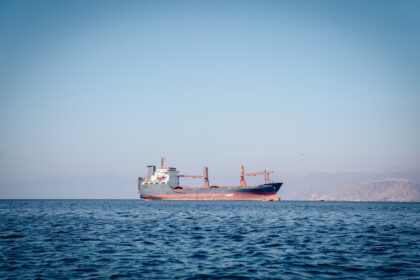
Pointillist Family Office holds about 7.2% of Seacor’s outstanding shares. Chernett argues that the value of Seacor’s “young and technically advanced” fleet could surpass $1 billion based on industry benchmarks. Furthermore, he highlighted that the company’s inability to monetize its fleet effectively—even during an industry upcycle—has contributed to the downward pressure on share prices.

Strategic Alternatives Suggested
Chernett has proposed a dual approach to resolving the valuation issue: either a full sale to a strategic buyer or a more targeted sale of the fleet assets. He also emphasized the need for the board to appoint an independent financial advisor to professionally assess all strategic alternatives and guide the decision-making process. The current financial strains faced by Seacor, including significant debt obligations that resulted in $8 million in interest expenses in the first quarter, further complicate the situation.
In the broader context of the offshore energy sector, these developments come amid fluctuating market conditions, with Seacor’s shares having experienced an 8% decline in 2025, but rebounding approximately 9.8% in 2026. Chernett’s letter reflects ongoing concerns about the company’s operational efficiency and cash flow generation capabilities, which remain critical for sustainable growth.
Behind the Headline
The pressure on Seacor Marine’s management to reassess its strategic approach highlights the complexities operators face in the offshore sector, particularly amid ongoing market volatility and evolving energy demands. With the operational costs and capital requirements associated with fleet management, companies must effectively balance debt obligations while maximizing the value of their assets. The current call for a fleet sale could set a precedent for other operators grappling with similar valuation issues and may lead to increased consolidation in the offshore market. Stakeholders will be closely monitoring Seacor’s board for their response and the potential ramifications for the wider industry.