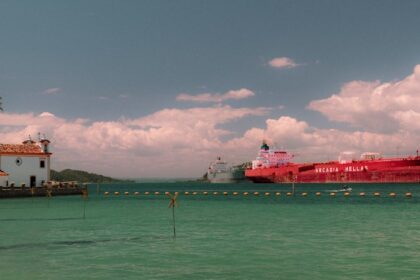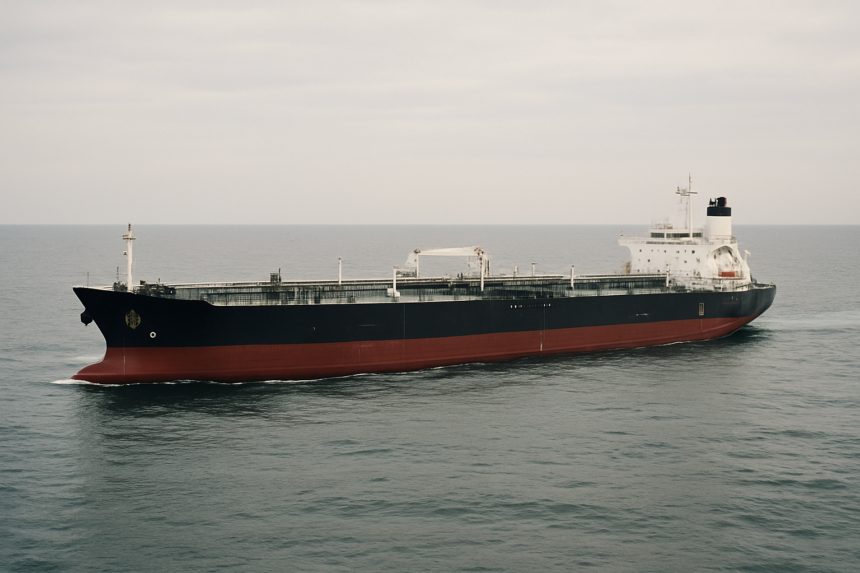
The United States has officially lifted its blockade on maritime traffic through the Strait of Hormuz, coinciding with the initiation of negotiations surrounding Iran’s nuclear program. This development marks a critical moment for shipping operators, who have faced significant disruptions over the past few months. U.S. Vice President JD Vance underscored the importance of maintaining the strait as an open and toll-free passage for maritime trade during a press conference held on Thursday.
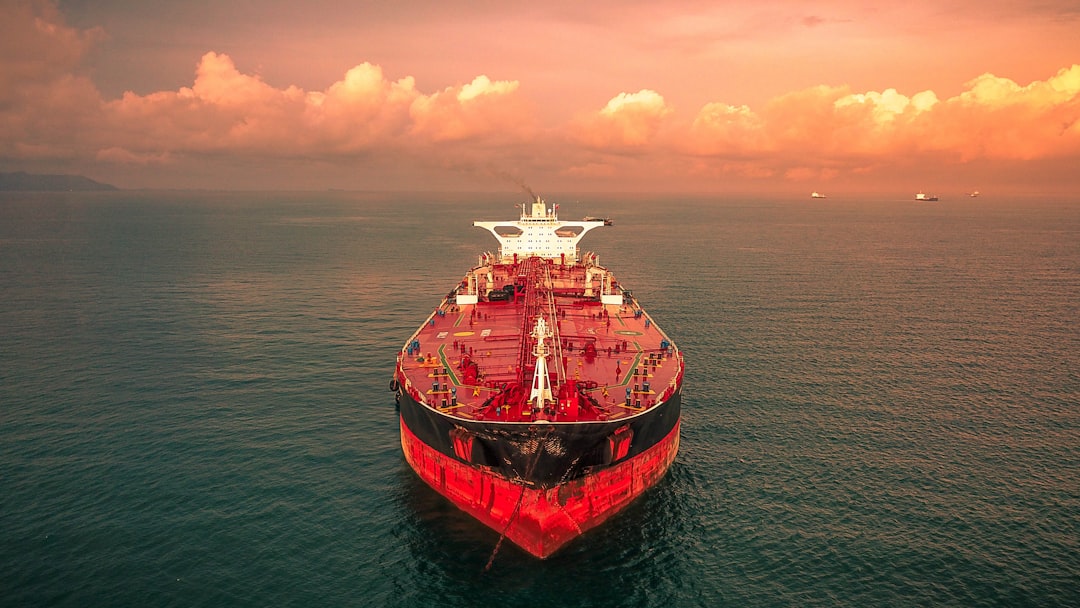
The Current Situation
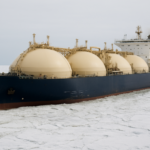
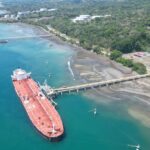
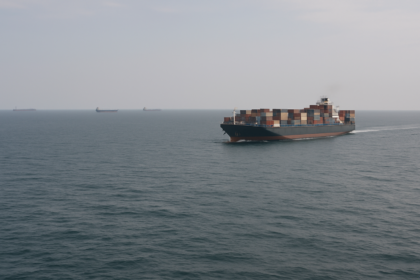
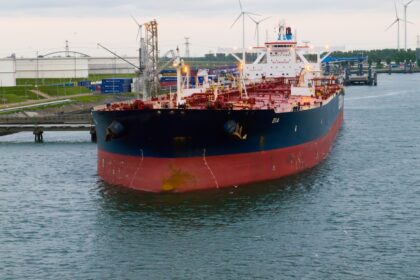
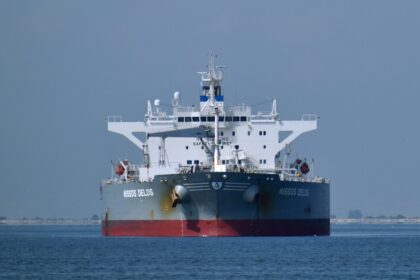
With the cessation of the blockade, commercial oil tankers are resuming operations in the strait, a key chokepoint for global energy supplies. Reports indicate that vessels carrying nearly 10 million barrels of oil have begun to navigate through the strait again, including the first Saudi-owned tankers to depart since the onset of hostilities earlier this year. According to the Central Command’s announcement, U.S. Navy vessels will continue to monitor the area to ensure compliance with the negotiated terms.
Market Reactions
Despite the positive news regarding maritime access, oil prices remain volatile. As of Thursday afternoon, Brent crude was trading around $79 per barrel, reflecting a complex market response influenced by recent geopolitical events. The ongoing uncertainty regarding security conditions in the Strait, including the presence of potential naval mines, continues to prompt caution among shipping firms. Stakeholders are seeking definitive assurances before fully restoring their operations.

Implications for Shipping Operators
Shipping and oil executives are now evaluating what this significant shift means for their operational strategies. The prospect of losing revenue through tolls, which U.S. officials have declared unlikely, could alter the economics of shipping through the strait if it were to be considered. Moreover, operators will need to assess the security framework proposed for the strait, as regional governments seek collaborative measures for safeguarding the vital waterway.
The Operational Read
The lifting of the blockade in the Strait of Hormuz fundamentally changes the maritime operational landscape. For shipping operators, the focus will be on restoring confidence in transit security and clarifying any regulatory requirements for entering Iranian waters. The reopening may trigger a rapid uptick in shipping volumes as supply chains realign, but the lingering questions regarding the region’s stability must be addressed. Continuous monitoring of operational risks and adherence to the agreement will be crucial as the situation evolves.