Update 19 Jun 2026, 22:34 UTC:
Leading shipping organizations are calling for the urgent clearance of mines in the Strait of Hormuz, asserting that maritime traffic will not return to normal levels until traditional routes are reinstated. This caution follows a preliminary peace agreement signed on June 17 between Iran and the US, where Iran consented to de-mine the strait within 30 days.
The Current State of Transit
According to INTERTANKO, the International Association of Independent Tanker Owners, removing mine threats from the Traffic Separation Scheme (TSS) is a top priority. The organization has emphasized the necessity of effective communication between governments and the shipping sector as this process unfolds. Tim Wilkins, INTERTANKO’s managing director, noted that while some vessels might start navigating the waters, shipowners are maintaining a cautious approach, focusing on the safety of their crews.

Recent Shipping Activity
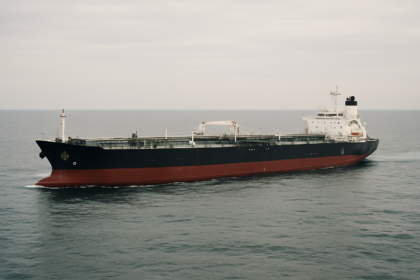
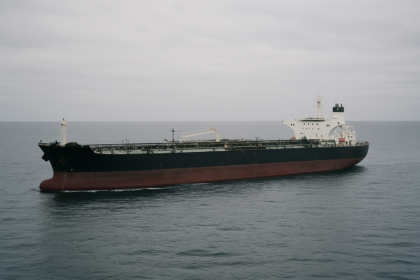
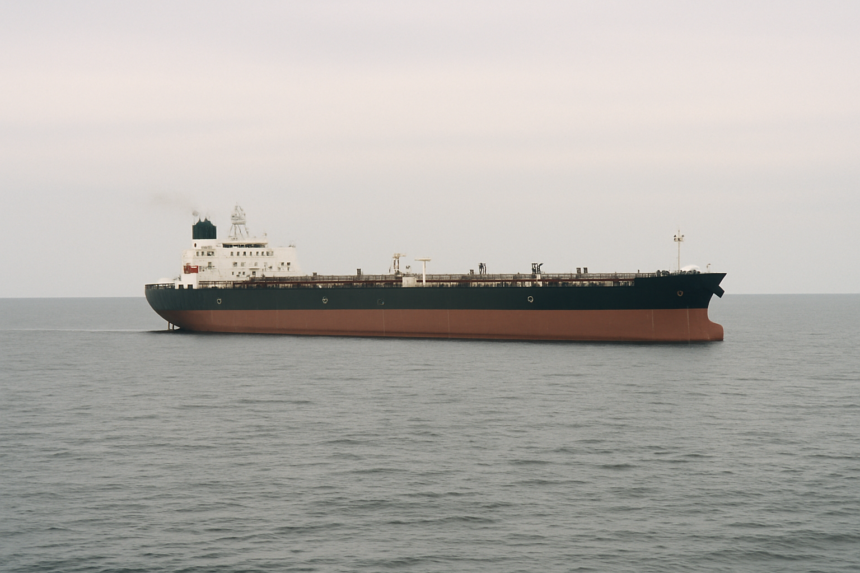
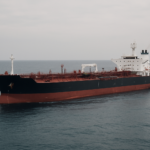
Data from S&P Global Commodities at Sea indicated that only 25 vessels, which included three Very Large Crude Carriers (VLCCs) and three product tankers, transited through the Strait of Hormuz on June 17. This number represents the highest daily activity seen in a month but is significantly lower than the daily average of 135 ships recorded prior to the onset of the US-Iran war on February 28.
Chief shipping analyst at BIMCO, Niels Rasmussen, expressed optimism about a potential recovery, stating that once safe passage is assured, numerous tankers already present in the Persian Gulf could resume their operations. However, he cautioned that a return to cargo volume pre-war levels would take longer due to infrastructure damage incurred during the conflict.
Challenges Ahead
Masoud Polmeh, Secretary-General of the Iran Shipping and Related Services Association, highlighted that while Hormuz remains under the jurisdiction of Iranian armed forces, vessels are allowed to transit after securing coordination with authorities. BIMCO’s Jakob Larsen reiterated the dangers present in the mined central waters of the strait, emphasizing that only the inshore traffic zones near Oman and Iran are navigable at present.
Current estimations from INTERTANKO suggest that the available routing options may have limited capacity. With potentially 550 ships eager to leave the area and an estimated transit capacity of 60 vessels per day, there is a prediction of congestion and navigational complications if the TSS remains blocked.
Both INTERTANKO and BIMCO suggested that the establishment of a dedicated international coordination system is crucial for ensuring safe transit through the strait before normal operations can recommence. Analysts expect that such a body will be formed soon to facilitate smoother passage for the international shipping community, potentially alleviating concerns related to safety and operational efficiency.
The Operational Read
The call for mine clearance in the Strait of Hormuz highlights a critical turning point for maritime operations in the region. For operators, the focus must shift to evaluating the safety of existing transit routes and preparing for rapid mobilization once conditions improve. The uncertainty surrounding the effectiveness of current alternative routes may lead to increased operational costs, including longer transit times and potential delays. Monitoring the establishment of an international coordination body will be essential to streamline transit processes and enhance collaboration among the involved parties. Stakeholders should prepare for a phased resurgence in shipping activity, while placing paramount importance on the safety of crew members during this transitional period.