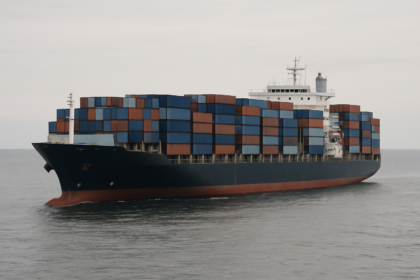
Two prominent US companies, CA Spalding Company and Daybreak Express, have launched separate class-action lawsuits against a consortium of container manufacturers. The legal actions follow allegations by American prosecutors that these manufacturers colluded to fix prices and restrict output in the global dry container market, a claim that, if substantiated, could have significant ramifications on overall shipping costs.

The Allegations
The lawsuits assert that the container manufacturers engaged in a coordinated effort to manipulate market conditions by limiting supply and maintaining elevated pricing levels. These allegations suggest a systemic issue within the sector that could pressure shipping companies and their operations, ultimately leading to higher freight rates for consumers and businesses relying on container transport.
Market Implications
If the courts rule in favor of the plaintiffs, the outcome may compel manufacturers to alter their pricing strategies and operational practices. It could also lead to increased market competition, as transparency improves and new entrants might be incentivized to disrupt the status quo. Furthermore, the financial repercussions for the accused manufacturers could prompt a broader reevaluation of compliance protocols across the industry.

Responses from Industry Stakeholders
Both plaintiffs have expressed that they seek to recover damages that they allege have resulted from unfair practices. Stakeholders within the shipping and logistics sectors will be closely monitoring the progress of these lawsuits, as the findings could trigger regulatory responses or changes in market dynamics.
Behind the Headline
The lawsuits filed by CA Spalding and Daybreak Express highlight an ongoing trend of legal scrutiny within the maritime industry regarding pricing practices. Collusive behavior among manufacturers can stifle competition, inflate costs, and disrupt supply chain efficiency, ultimately impacting end consumers. In a climate where operational costs are already strained, stakeholders will watch closely as these cases unfold, anticipating adjustments in manufacturing oversight and a possible shift towards more equitable pricing in the container market.