Update 14 Jun 2026, 20:34 UTC:
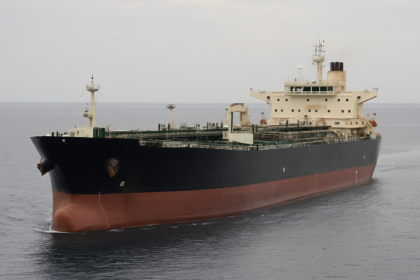
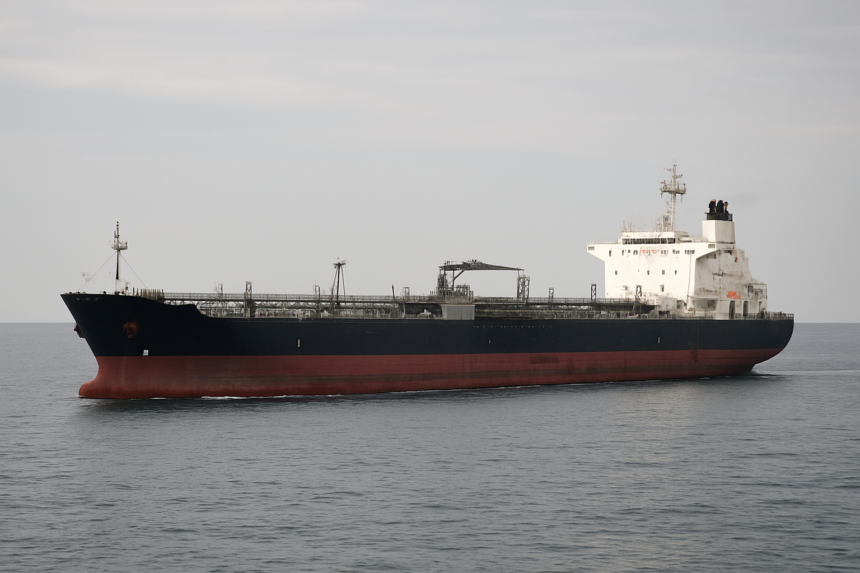
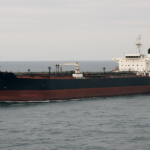
On Sunday, British forces successfully intercepted the Russian oil tanker SMYRTOS in a strategic operation within the English Channel, as confirmed by the UK Ministry of Defence. This enforcement action, highlighting the increasing focus on Russia’s network of shadow fleet operations, was executed by Royal Marine Commandos together with officers from the National Crime Agency. The vessel has been detained and will undergo continued monitoring off the southern coast of the UK while investigations proceed.
Operational Details
The boarding of the SMYRTOS aligns with the UK’s commitment to enforcing existing sanctions against Russia, particularly in the context of oil transport, which has been a significant revenue source for the Russian government amid ongoing conflict in Ukraine. Although no specifics regarding the cargo, destination, or ownership of the tanker were disclosed, the operation demonstrates coordinated enforcement efforts aimed at disrupting illicit trade practices underlined by Western sanctions.

Geopolitical Context
The interception of the SMYRTOS is part of a larger strategy employed by Western governments to combat Russia’s so-called shadow fleet—commercial tankers utilized to transport oil in defiance of international sanctions. The English Channel serves as a critical maritime passage for oil shipments to and from Europe, making it an essential target for enforcement actions. The UK’s move signals a broader trend of tightening maritime control as European nations enhance their inspection protocols against vessels potentially involved in sanction evasion.
The Operational Read
This interception not only illustrates the logistical challenges faced by Russia in moving oil but also reinforces international cooperation on sanction enforcement. Operators within the shipping industry must remain vigilant, as the scrutiny on vessel movements in strategic waterways such as the English Channel is expected to intensify. Understanding the risk of detentions and disruptions will be vital for charterers and operators. The implications for shipping routes may prompt operators to reassess their logistics tactically, avoiding maritime lanes increasingly monitored for compliance with sanctions.