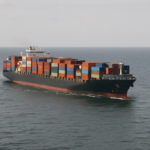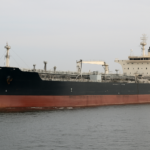
On June 10, 2026, President Trump revealed that the U.S. military has been undertaking a covert operation to assist commercial vessels transiting the strategically crucial Strait of Hormuz. This announcement highlights a significant evolution in U.S. military engagement amid rising tensions, which have previously disrupted shipping in this vital waterway.
The Operation
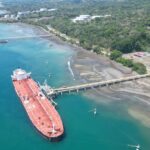
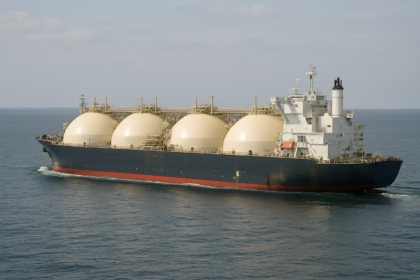
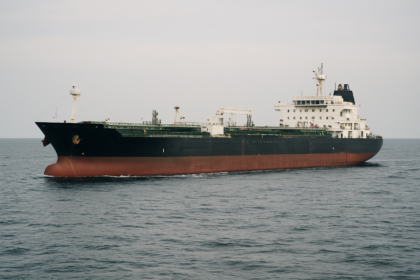
According to President Trump’s statements on Truth Social, this covert mission—executed under the banner of ‘Project Freedom’—has enabled over 200 commercial ships, including numerous oil tankers, to transit the Strait safely. The president also indicated that more than 100 million barrels of oil have reached the global market as a result of these efforts. This claim marks a stark contrast to earlier U.S. assertions that formal escort missions were not occurring.
Recent Developments
This announcement comes on the heels of months of heightened hostilities between the United States and Iran, which have severely impeded normal shipping traffic through the Strait—the conduit for approximately 20% of the world’s oil supplies. While the U.S. Central Command had previously denied a resumption of escort operations, reporting by Bloomberg and others suggests that military coordination and indirect support with commercial shipping interests had quietly resumed.

Recent patterns indicate that vessels navigating the Strait are utilizing strategic tactics—such as moving closer to Oman’s territorial waters and switching off AIS transponders—to mitigate risks posed by Iranian forces.
Market Impact
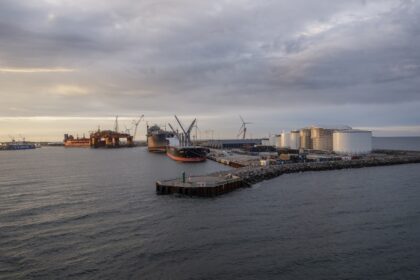
The gradual recovery of oil flows from the Gulf is evident, with recent figures indicating that around 2 million barrels per day are now being exported, though still significantly below pre-conflict levels. Increased ship-to-ship transfers off Oman’s coast have also been reported, further reflecting an adjustment in operational strategies as commercial shippers navigate the complexities of the current geopolitical landscape.
The Operational Read
The announcement regarding U.S. military support for maritime operations in the Strait of Hormuz serves as a crucial development for shipping operators and charterers. The return of oil flows, while improving, remains below normal levels, emphasizing the fragility of the operational environment. Operators must remain vigilant, adapting their routing and communications to mitigate threats from regional hostilities. The focus on maritime security and rapid response capabilities will be essential in ensuring the sustainability of oil transportation through this vital chokepoint in the face of ongoing geopolitical tensions.