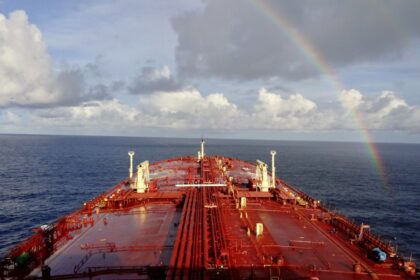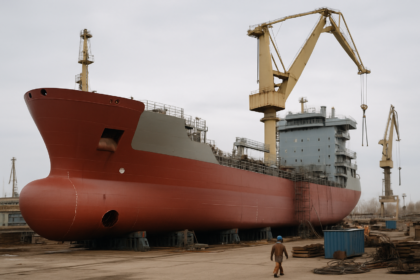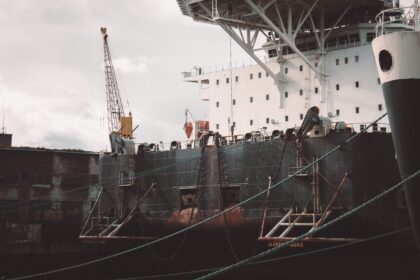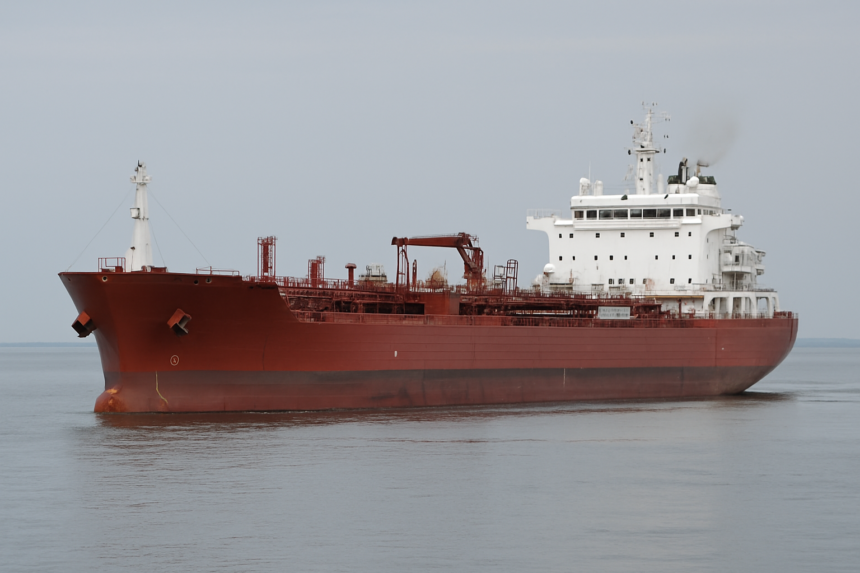
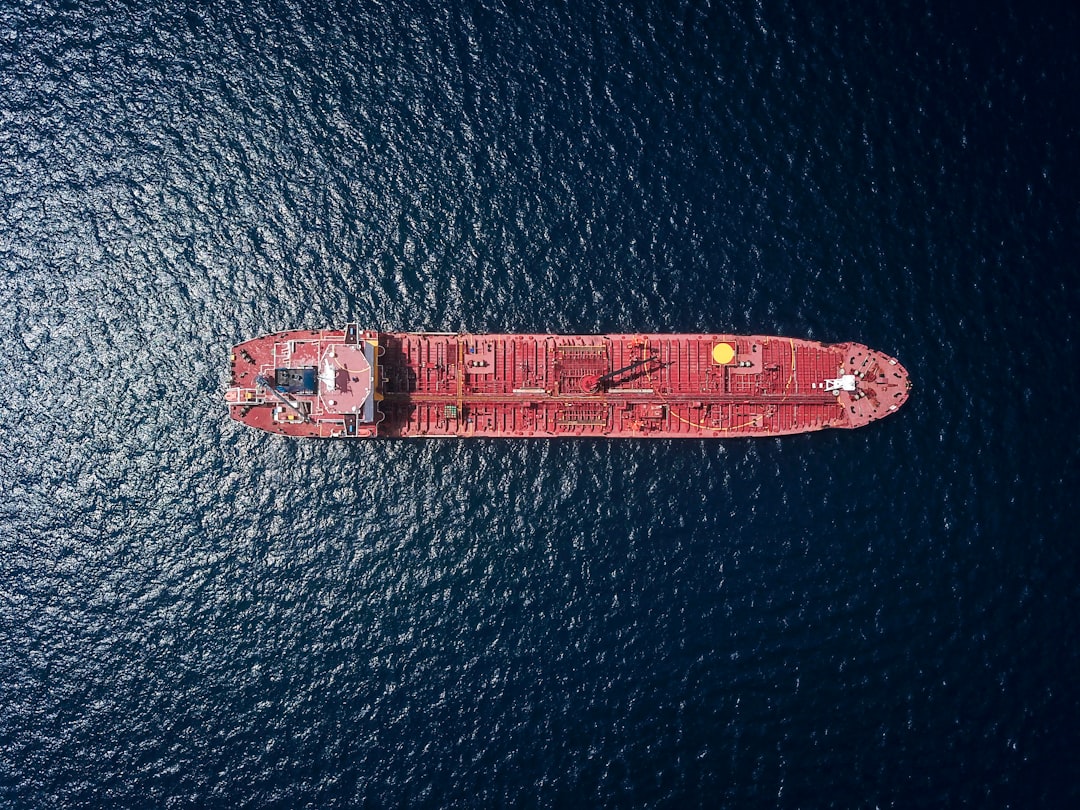
Greek shipping operator Thenamaris has made a significant move in expanding its fleet, announcing new orders for two 50,000 deadweight ton (dwt) MR2 product tankers. The orders have been placed with HD Hyundai Heavy Industries, emphasizing the company’s commitment to renewing its fleet amidst changing maritime market conditions.
Strategic Fleet Renewal
This expansion forms part of Thenamaris’s proactive fleet renewal strategy, which has seen the company actively pursue newbuild projects. By investing in modern, high-capacity tankers, Thenamaris aims to enhance its operational efficiency and meet client demands in a competitive landscape.
The decision to order these MR2 tankers aligns with trends observed in the global shipping industry, where market participants are increasingly focusing on fleet modernization to improve sustainability and reduce operational costs. Deliveries for the newly ordered vessels are anticipated in the coming months, which will provide additional capacity as trade routes continue to evolve.

Market Trends and Implications
The tanker market has shown signs of resilience, with renewed demand for product tankers driven by economic recovery and fluctuations in global crude oil prices. Consequently, the addition of these new vessels by an established operator like Thenamaris could signal positive sentiment about future tanker market activity.
Other companies might take cue from Thenamaris’s approach, which underscores a broader industry trend where operators are not just replacing older vessels but are also pushing for greater efficiency and compliance with evolving environmental regulations.
Behind the Headline
The operational reality behind Thenamaris’s latest orders highlights an ongoing shift in the maritime shipping landscape. By stepping up its fleet renewal, Thenamaris positions itself to leverage prospective trade growth and adapt to emerging regulatory pressures. This proactive strategy not only improves the operational profile of the fleet but also responds to the increasing scrutiny on emissions and sustainability among shipping stakeholders. Future developments to watch include delivery timelines and how quickly these new vessels can integrate into existing operations, potentially influencing market share and competitive positioning.