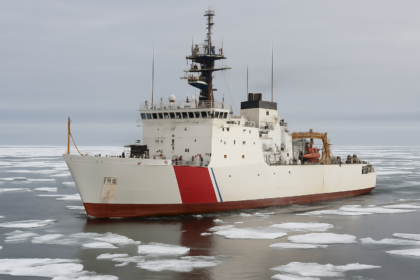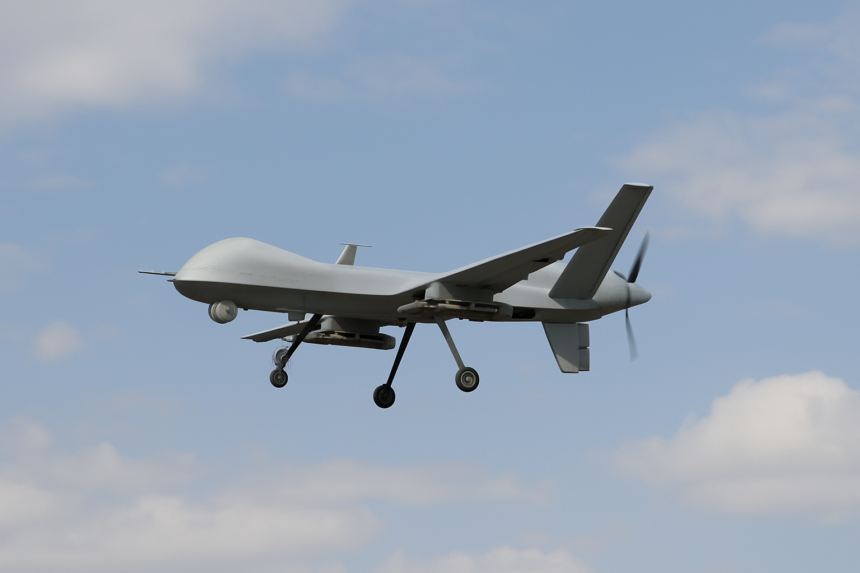
On Saturday, US military forces successfully intercepted and destroyed two Iranian attack drones that posed a threat to international shipping in the Strait of Hormuz. This incident marks a significant escalation in the ongoing tensions between US and Iranian forces in a region known for its strategic importance to global maritime trade.

The Incident
According to a statement from US Central Command, earlier on the same day, a total of four Iranian drones targeting the strait were shot down. This front-line engagement underscores the heightened risk to vessels operating within one of the world’s busiest maritime corridors, through which approximately 20% of global oil trade transits.
The confrontation follows a series of tit-for-tat military actions, including US strikes on Iranian coastal surveillance radar systems. This cycle of hostilities comes in the wake of reported indirect negotiations between Washington and Tehran aimed at de-escalating the situation. Notably, Iranian forces fired missiles at US allies in Bahrain and Kuwait, indicating a broader regional conflict context.


Market Impact
The ongoing unrest in the Strait of Hormuz is likely to influence shipping operations and insurance premiums for vessels in the region. War-risk premiums are expected to see an uptick given the recent military engagements. With the Strait accounting for a significant share of global oil and liquefied natural gas movements, disruptions here could lead to increased shipping costs and potential rerouting of vessels.
Shipping operators must remain vigilant in assessing risk while navigating these volatile maritime conditions, particularly amidst the backdrop of escalating military engagements between US and Iranian forces.
Operator Response
Maritime stakeholders are urged to closely monitor developments in the region and review existing voyage plans. Those operating in the Strait of Hormuz may need to enhance their risk mitigation strategies, including potential rerouting options and engagement with maritime risk assessment firms for updated intelligence.
The Operational Read
The operational landscape in the Strait of Hormuz is increasingly complex, with ongoing military confrontations underscoring the region’s high-risk profile for shipping operators. A proactive approach is crucial, as charterers may experience shifts in laytime and demurrage obligations due to the increased risk to vessels transiting the chokepoint. Observations should focus on the potential for further escalations, which could affect vessel availability and drive up costs. Operators should remain prepared for rapid response scenarios, including engaging in real-time risk assessments based on US and Iranian military actions and international shipping advisories.