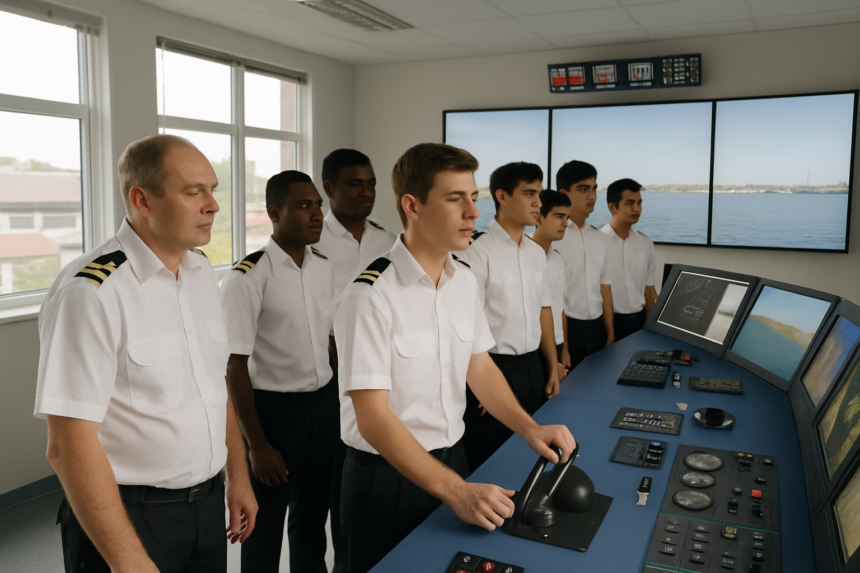
On June 1, 2026, the Directorate General of Shipping (DGS) in India released Order No. 11 of 2026, which permits Maritime Training Institutes (MTIs) to conduct courses approved by foreign administrations. This new legislation aims to streamline maritime education, allowing MTIs to enhance their offerings while adhering to international standards.
Key Details of the Order
The order specifies that DGS approved MTIs wishing to apply for a No Objection Certificate (NOC) for each foreign-approved course must submit a fee of 100,000 INR. Following application submissions, a physical inspection will be conducted by the jurisdictional Mercantile Marine Department to verify compliance with the requisite standards.
For MTIs that are not yet recognized by the DGS, it is mandatory to apply for an ‘in-principle approval’ before proceeding with the NOC application. This procedural hierarchy underscores the DGS’s commitment to ensuring that all training institutes maintain high educational standards that align with foreign accreditation requirements.


Operational Implementation
According to the DGS, this new framework is intended to be operational by September 1, 2026. During the interim period, the NOC application process will be handled manually, with assurances that it will transition to a fully online system by the operational date. This is part of ongoing efforts to modernize and digitize maritime training operations in India.
Industry Implications
This directive builds on DGS Orders No. 5 and No. 7 of 2016, ensuring consistency and clarity in maritime training accreditation and approvals. As MTIs align themselves with international maritime education standards, these policies are expected to enhance the qualifications of seafarers, facilitating smoother transitions into global maritime employment markets.
Behind the Headline
The issuance of DGS Order No. 11 of 2026 reflects an important development in India’s maritime training landscape. By enabling approved MTIs to conduct foreign administration approved courses, the DGS not only bolsters the global employability of Indian seafarers but also reinforces the compliance of domestic training programs with international benchmarks. As the maritime sector continues to evolve, operators, training institutes, and maritime students should prepare for a significant shift toward more standardized training methods and practices. Stakeholders will be closely monitoring the implementation of this order, as successful transition to online operations could further streamline training and certification processes.