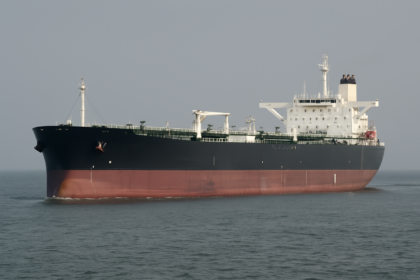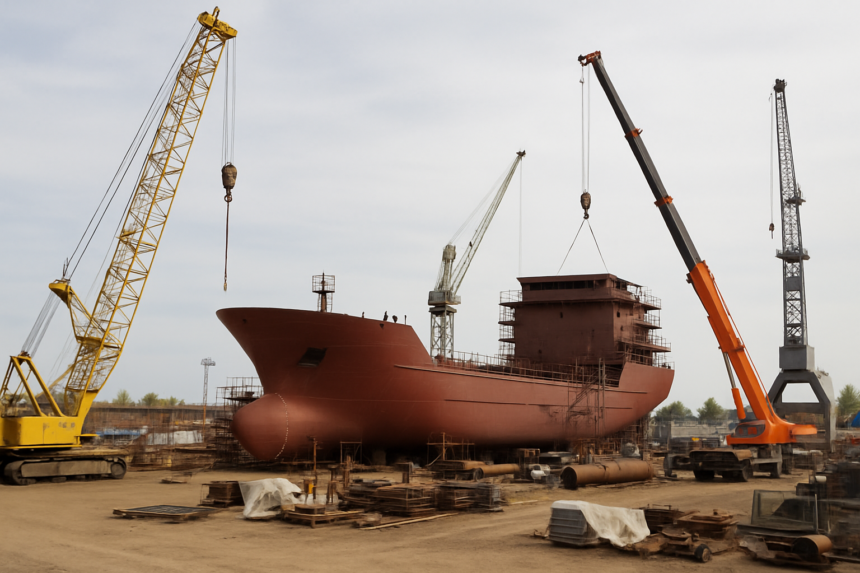
Davie Defense officially broke ground on a significant modernization project at Gulf Copper’s shipyard facilities in Galveston and Port Arthur, Texas, representing a potential $1 billion investment in U.S. shipbuilding capacity. This initiative is geared towards supporting the construction of the U.S. Coast Guard’s next-generation Arctic icebreakers, marking a pivotal moment in the revitalization of complex shipbuilding in Texas after decades.
Details of the Project
The initial phase of the upgrade is slated for completion in 2028, which coincides with the commencement of construction on the first of three planned Arctic Security Cutters. This initiative falls under Davie Defense’s broader $3.5 billion contract with the Coast Guard to produce five vessels, with the first two being constructed at the company’s affiliated Helsinki Shipyard in Finland before transitioning production to Texas. The groundbreaking ceremony featured various federal and state officials, underscoring the project’s significance.
Economic and Strategic Implications
The expansion is expected to create around 2,400 direct jobs, with independent studies suggesting that up to 7,000 jobs could be generated statewide through related supply-chain activities. Philip Burns-O’Brien, President and CEO of Davie Defense and Gulf Copper, emphasized the criticality of restoring maritime strength by enhancing industrial capabilities in the U.S. This investment aligns with the Coast Guard’s strategic goal of expanding the nation’s icebreaking fleet amidst escalating competition from Russia and China in the Arctic region.


The Operational Read
The modernization of Gulf Copper’s facilities signals a transformative shift in U.S. shipbuilding capabilities, particularly in icebreaker construction. With the Arctic region becoming a focal point for geopolitical tension, particularly with the activities of Russia and China, ensuring a robust icebreaker fleet is paramount for national security. The collaboration with Finnish shipbuilding expertise enhances operational efficiency while local job creation contributes positively to the economy. As the first vessels are set for delivery in 2028, stakeholders, including operators and suppliers, should closely monitor advancements and adapt to the emerging demand for both icebreaker operations and supporting maritime infrastructure in the region.