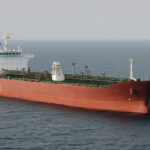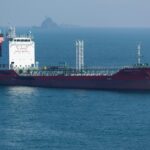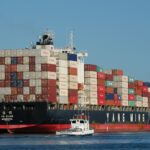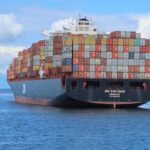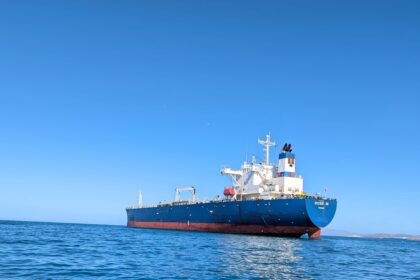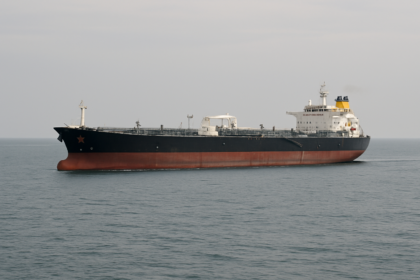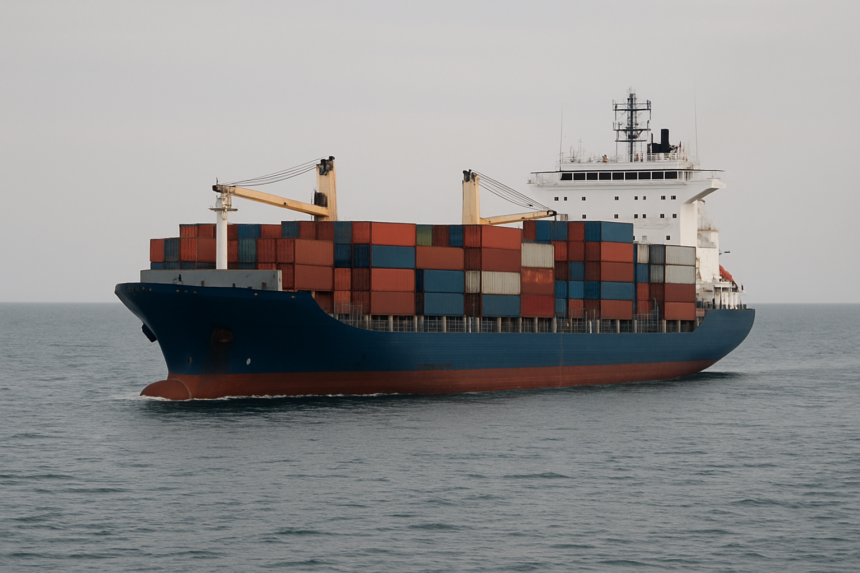
On May 29, U.S. forces disabled the Gambia-flagged cargo vessel Lian Star in the Gulf of Oman, reinforcing the ongoing enforcement of the maritime blockade against Iran. This operation was executed after the vessel failed to heed more than 20 warnings issued by U.S. Central Command (CENTCOM), which stated that the ship was heading toward an Iranian port in violation of U.S. sanctions.
The targeted strike involved a Hellfire missile that was fired into the engine room of Lian Star, resulting in the incapacitation of the vessel. Details regarding the ship’s crew, cargo, and intended destination remain undisclosed at this time. This incident occurred just one day following remarks from President Donald Trump that indicated potential advancements in negotiations aimed at reopening the strategically vital Strait of Hormuz, raising questions about the efficacy of the blockade amidst diplomatic overtures.
The Blockade Enforcement
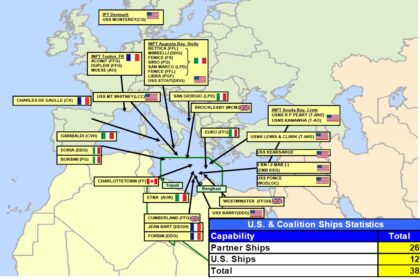
CENTCOM’s actions and their publicly shared statement serve to underline the strict adherence to blockade enforcement applicable across the Arabian Gulf, Strait of Hormuz, Gulf of Oman, and North Arabian Sea. According to recent warnings released by U.S. Naval Forces Central Command via the Joint Maritime Information Center (JMIC), any vessels that do not comply with military instructions could be confronted with measures deemed as self-defense. This could involve disabling vessels seen as imminent threats or conducting destructive fire against those failing to comply.


This latest advisory from JMIC emphasized that all maritime traffic pertaining to Iranian ports would continue to be subjected to blockade measures, including severe repercussions for those engaged in sanction-evading ship-to-ship transfers.
Industry Implications
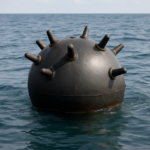
The disablement of the Lian Star raises significant concerns for maritime operators and charterers, particularly at a time when diplomatic discussions suggest a possible easing of tensions. Trade experts warn that any political resolution may not provide an immediate boost in confidence for shipping operations in the region. Industry groups stress the necessity for clear mine-clearance operations, along with stable security conditions, before normal shipping traffic can resume through critical chokepoints.
Recent incidents serve as a critical reminder to shipowners that despite any potential diplomatic breakthroughs, the risks associated with navigating these waters remain tangible. Negotiations that fail to yield clarity regarding enforcement measures could prolong uncertainty in global energy markets.
The Operational Read
The implications of this incident on vessel operations in the Gulf of Oman and surrounding areas are profound. Shipowners must be aware of the stringent enforcement actions currently in place, which can disrupt planned voyages and affect cargo timelines. Vessels navigating near Iranian waters will likely encounter heightened risks, requiring operators to adopt conservative routing strategies. The continuation of the U.S. blockade means that vessels attempting to approach Iranian ports face substantial operational risks, impacting charter agreements and overall market sentiment.