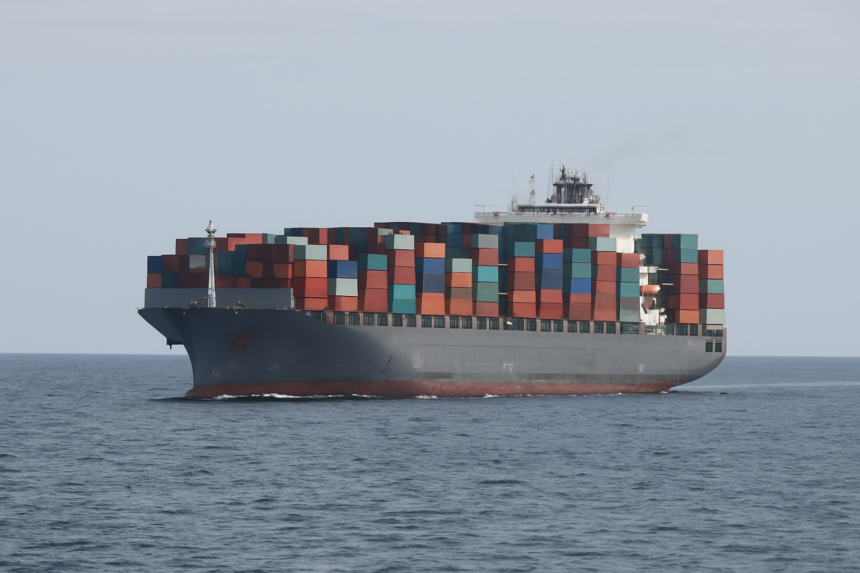
A landmark civil trial regarding the containership Dali is set to commence on June 1, 2026, following the settlement of claims from families of victims who perished in the March 2024 allision with the Francis Scott Key Bridge in Baltimore. Legal experts highlight that this case might reshape the landscape of maritime law in the United States, given its historical context.
The Incident
The incident involving the Dali occurred when the vessel experienced a blackout, resulting in its collision with the bridge and leading to the tragic loss of life. In response to the incident, the ship’s owners, Grace Ocean, and operators, Synergy Marine, sought to invoke the Limitation of Liability Act from the 1850s to limit their liability to the ship’s current value, adding a layer of complexity to the legal proceedings.
Historical Context
This request to limit liability harkens back to notable maritime cases, such as the Titanic disaster of 1912 and the Deepwater Horizon incident in 2010. In the latter, Transocean attempted to restrict its financial responsibility to approximately $27 million but ultimately faced significant liabilities, settling for $1.4 billion. The invocation of similar statutes in the Dali case could set a precedent that impacts future maritime litigation significantly.


Market and Industry Implications
As the maritime community watches closely, any ruling from the court could influence liability frameworks for operators and insurers alike. Should the court favor the shipowners, it might encourage greater reliance on historical liability limitations, impacting the shipping industry’s approach to risk management and insurance practices. Conversely, an unfavorable ruling could open the door for more stringent accountability measures for maritime operators, effectively reshaping the financial dynamics in the sector.
Behind the Headline
The forthcoming trial surrounding the Dali represents a critical juncture for the U.S. maritime industry, particularly concerning operational liability standards. As vessels become larger and more technologically sophisticated, the risks associated with maritime operations continue to evolve. The court’s decision could redefine liability limits and responsibilities for shipowners in case of accidents, influencing underwriting practices and risk assessments across the industry. Stakeholders must prepare for potential shifts in legal expectations and insurance models as the implications of this case unfold.