Update 30 May 2026, 15:11 UTC:
The U.S. Navy has issued urgent advisories to commercial vessels operating near the Strait of Hormuz, warning that failure to comply with military instructions could result in ships being classified as hostile targets. This development, highlighted in recent notifications from the Joint Maritime Information Center (JMIC), reflects an escalation in military operations in the region aimed at enforcing a blockade on Iranian ports.
The Warnings Issued
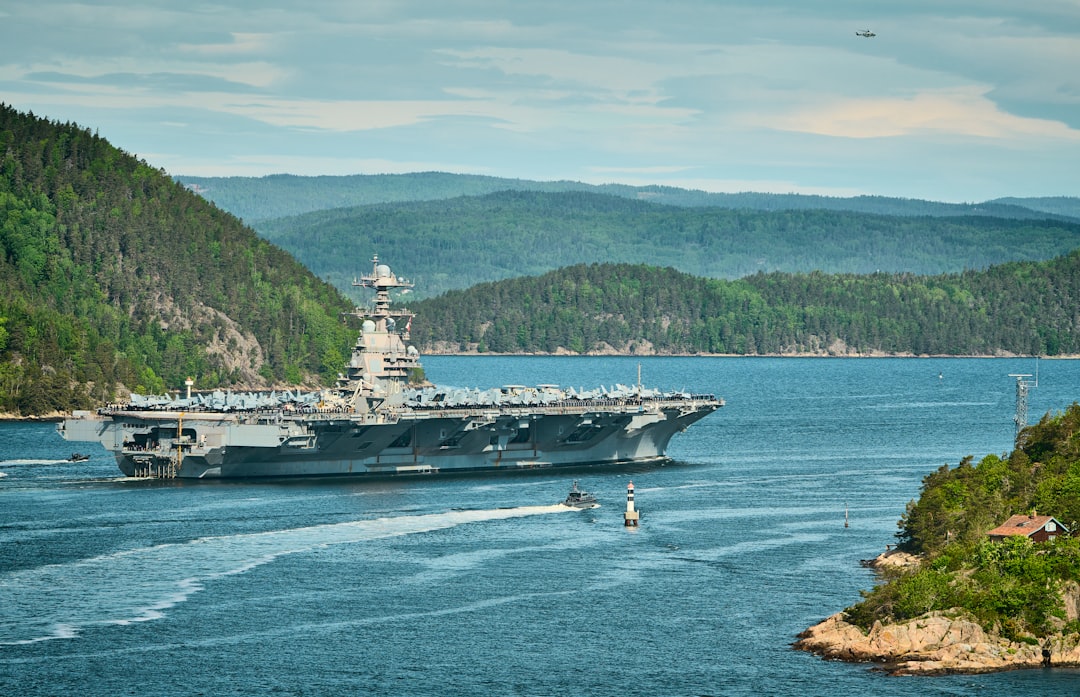
According to JMIC Advisory Note 005-26, vessels that disregard directives from U.S. forces may be deemed imminent threats, leading to defensive measures being employed as per international law. The advisory further stipulates that ships engaging in or supporting mine-laying activities could be specifically targeted by U.S. forces. This represents one of the most severe warnings directed at commercial shipping since tensions escalated with Iran.

Mariners are urged to steer clear of the Strait of Hormuz Traffic Separation Scheme and coordinate their transits using the U.S. Navy’s Naval Cooperation and Guidance for Shipping (NCAGS) program. Continuous monitoring on VHF Channel 16 and strict compliance with instructions from U.S. forces are also emphasized to mitigate risks.
Blockade and Military Operations
The U.S. has reaffirmed its ongoing blockade of Iranian ports, which includes all traffic to and from these ports throughout the Arabian Gulf, Strait of Hormuz, Gulf of Oman, and North Arabian Sea. This blockade is supported by JMIC Note 006-26, which warns that any vessels attempting to circumvent this blockade through ship-to-ship transfers may face enforcement actions. Operators are cautioned that enforcement measures may include significant military force.
While U.S. military authorities maintain that neutral merchant shipping is permitted to navigate international waters, they caution that safety is not guaranteed amid heightened military activities. Ships are advised to communicate their navigational intentions clearly and respond promptly to military hails to minimize the risk of misidentification.
The Evolving Security Environment
The maritime threat level in the vicinity of the Strait of Hormuz remains classified as CRITICAL, with an expectation of increased naval activities and heightened measures for force protection. This precarious situation underscores the dangers that commercial shipping faces in one of the world’s most vital maritime chokepoints, even as diplomatic efforts continue to de-escalate tensions.
The Operational Read
The current advisories from the U.S. Navy highlight a critical operational environment for shipping companies and crew members transiting the Strait of Hormuz. Operators must remain vigilant, adhering to military protocols to avoid misidentification and potential conflict with U.S. forces. The legal implications of the blockade and the U.S. stance on perceived threats necessitate a thorough understanding of the evolving landscape. Shipping operators should prepare for potential congestion in anchorage areas and adjust routing strategies, potentially considering alternative pathways that maintain safety without compromising operational schedules.