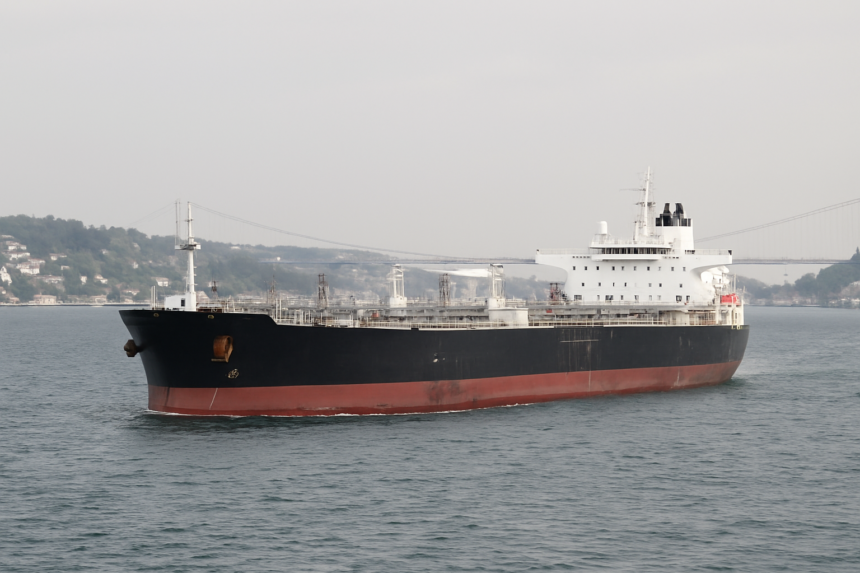
The United States and Iran are reportedly making progress in negotiations aimed at extending a ceasefire, with a preliminary agreement in place to last for 60 days. This deal could significantly impact ongoing oil shipping operations through the strategically vital Strait of Hormuz, which has been subject to increased military tensions.

The Negotiations
Sources indicate that the deal, which is pending approval from President Donald Trump, also includes discussions surrounding Iran’s nuclear program. Vice President JD Vance highlighted that the parties are refining the language of the agreement, focusing on issues related to Tehran’s nuclear capabilities. Although there have been public indications of good faith negotiations, specific details of the memorandum of understanding have yet to be finalized.
According to Iranian representatives, including President Masoud Pezeshkian, Iran is committed to a diplomatic resolution. Negotiations have reportedly shown significant progress, with officials from both sides communicating regularly. However, US Treasury Secretary Scott Bessent underscored the retention of three critical ‘red lines’: the reopening of the Strait of Hormuz, the surrender of highly enriched uranium by Iran, and an end to its nuclear activities.

The Market Response
As news breaks of the evolving negotiations, market reactions have been notable. The MSCI All Country World Index, which measures global equities, increased by 0.4%, reaching an all-time high amid optimism for lower oil prices and economic growth. Conversely, Brent crude oil prices dropped by 1.4%, settling at approximately $92.37 a barrel from highs of $126.41 earlier in the month, a change likely tied to reduced geopolitical uncertainty.
Furthermore, the potential agreement aims to maintain unrestricted shipping through the Strait of Hormuz. Reports suggest that Iran would need to eliminate all mines from the strait within 30 days, a move intended to enhance maritime safety in this critical area through which a significant share of the world’s oil and liquefied natural gas supplies transits.
Implications for Shipping Operations
Despite the promising developments, the ongoing conflict has already led to a significant reduction in global oil availability, curbing about a fifth of the supply since hostilities intensified in late February. This reduction has caused rampant inflation and price surges in the energy sector. Additionally, the US has conducted military strikes against Iranian targets, underscoring the fragility of the current ceasefire.
Why It Matters
The advancement of ceasefire negotiations between the US and Iran has direct implications for shipping operations in the Strait of Hormuz, vital for global energy supplies. If a formal deal is reached, it could restore significant oil flows and stabilize prices that have fluctuated wildly due to the conflict. However, operators must remain vigilant, as the complexities of international diplomacy often render even tentative agreements uncertain. The outcome of these negotiations may not only determine the operational environment for vessels transiting the strait but also influence wider market sentiment and economic recovery strategies in the region.