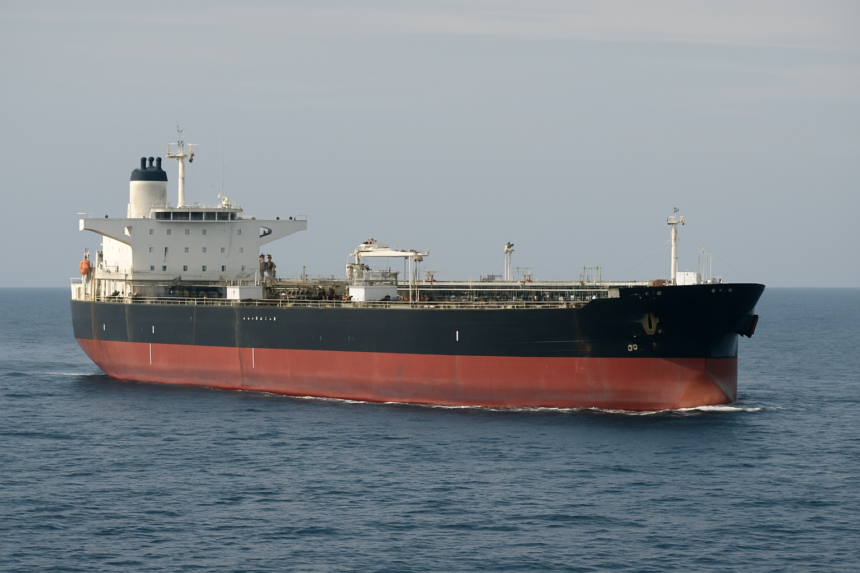
Recent developments in the Strait of Hormuz have raised alarms for shipowners operating in the region, as Chevron Corporation’s Chief Executive Officer Mike Wirth detailed multiple recent attacks on vessels navigating this vital maritime route.
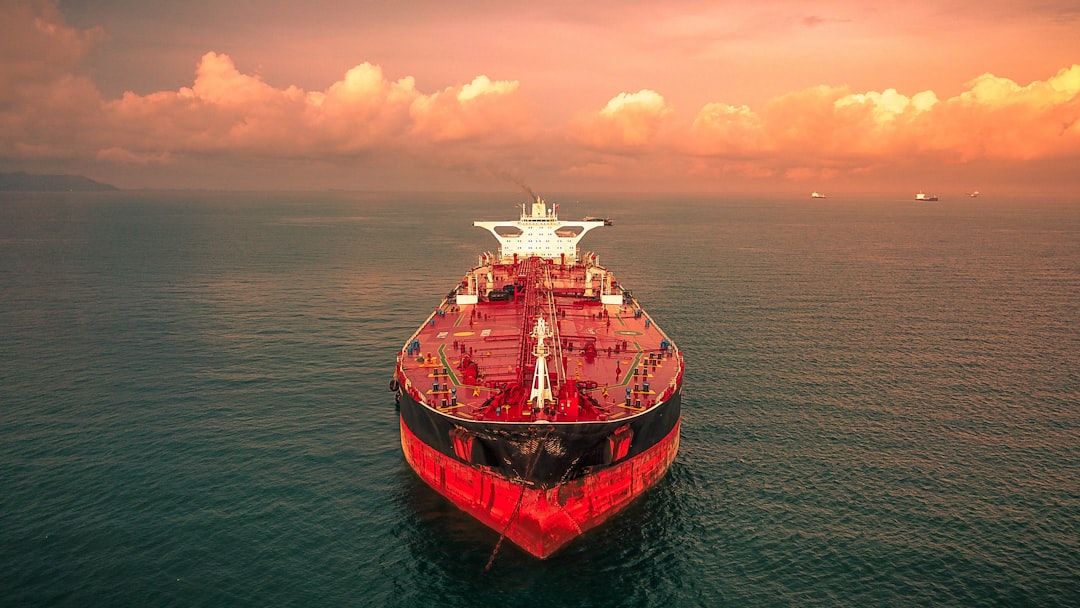
In comments made during a Bloomberg TV interview, Wirth emphasized that the situation remains precarious for maritime operators. “We see risks very real still in that environment,” he stated, referring to the kinetic activity affecting commercial shipping.
The Incident
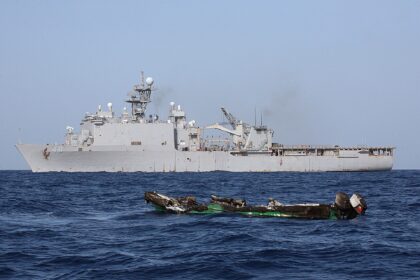
While Wirth noted that several incidents had received media attention, he indicated that not all occurrences had been reported. This lack of transparency highlights the difficulty shipowners face in assessing operational risks. “There have been vessels that have been in transit that have suffered attacks,” he confirmed. The frequency of these events, though not daily, is significant enough to warrant concern among ship operators.

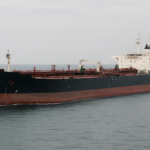
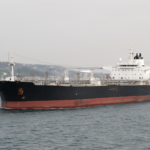
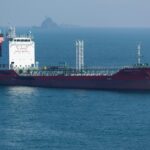
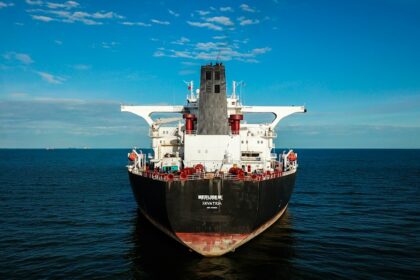
Chevron currently has six vessels chartered in the Persian Gulf, which belong to third-party shipowners. The decision to transit through the Strait now largely rests with these shipowners, as they must evaluate whether the risks of sending their ships into the strait are manageable.
Market Implications
Wirth’s statements come during ongoing discussions regarding potential peace accords between the U.S. and Iran. However, he underscored that these negotiations may not alleviate the immediate dangers posed to shipping operations. Shipowners are faced with the task of balancing their operational needs against the backdrop of a volatile security situation.
Insurance companies will play a crucial role in this equation. Insurers are likely to increase premiums or impose additional conditions for coverage in light of the recent attacks, prompting shipowners to think carefully about resuming normal transit schedules. Wirth noted, “Ship owners have to be comfortable sending ships back in after having ships trapped for months and crews trapped for months.” This reticence could prolong disruptions in oil transportation through one of the world’s most significant chokepoints.
Operator Response
As the maritime industry assesses the implications of this insecure environment, the approach of individual shipowners will vary. Factors influencing their decisions will likely include operational readiness, crew safety, and the financial terms of their insurance. Some may conclude that the risks are not worth the rewards, while others may adopt a more aggressive stance in resuming operations.
In light of recent events, the shipping market could be in a state of heightened vigilance, with operators exploring alternative routes, potential risk mitigations, or implementing emergency procedures. As these developments unfold, the reliance on timely, accurate intelligence will be essential for maintaining efficient maritime operations.
Why It Matters
The incidents in the Strait of Hormuz underscore the ongoing risks associated with navigating this vital maritime corridor, where security concerns remain high. For operators and crews, the challenge lies in developing risk management strategies while ensuring that operations can resume successfully. The uncertainty surrounding U.S.-Iran relations adds another layer of complexity. As shipowners weigh potential returns to this critical chokepoint, the operational environment will demand rigorous assessments of both risk and insurance coverage pressures, ultimately impacting market stability and oil supply chains.