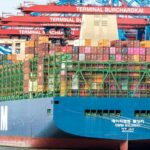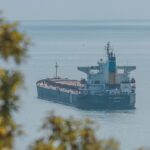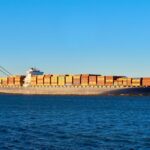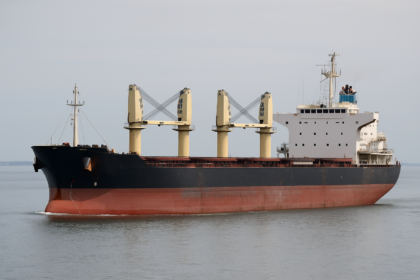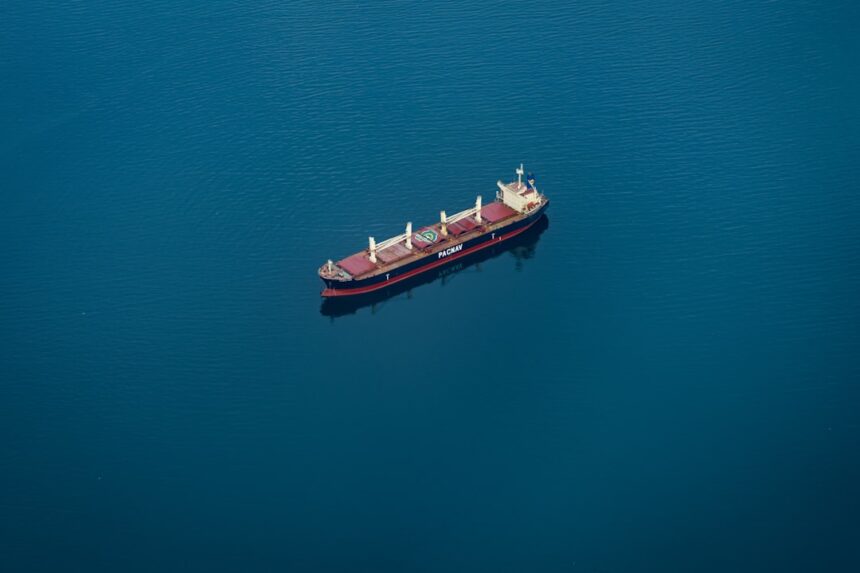
US authorities are actively investigating potential cyberattacks on oil and gas tankers, a move that underscores escalating concerns over maritime safety in light of increasing digital vulnerabilities. Personnel from the US Coast Guard and the Federal Bureau of Investigation boarded the VL Prosperity, a supertanker, on August 21 after detecting indications that its network may have been compromised by hackers.
The VL Prosperity is currently situated off the Texas coast, following its arrival late August after picking up oil in Egypt. Reports suggest that the supertanker’s communication systems were disrupted for 30 hours due to a cyber incident in the Strait of Gibraltar, as noted by Iran’s semi-official Mehr News Agency. HMM Ocean Service, the South Korea-based technical manager overseeing the VL Prosperity, indicated that the vessel has since been cleared for normal operations, adhering to their rigorous cyber protocols to ensure safety and security.
Crisis Response and Investigations
Following the initial boarding of the VL Prosperity, a second vessel, believed to be a liquefied natural gas carrier, was also inspected over similar cyberattack concerns. This boarding occurred on August 24, drawing attention to the potentially rising frequency of cyber threats targeting the maritime sector.

These developments come amid a backdrop of global shipping facing heightened risks due to ongoing geopolitical tensions and conflicts. As vessel owners increasingly opt for digital navigation and operational systems, the risk of cyber intrusions becomes more pronounced. Mark Douglas, an analyst at Starboard Maritime Intelligence, emphasized that vessels’ electronic control systems are becoming more interconnected, which while beneficial for operational efficiency, also broadens the attack surface for potential hackers.
Industry Guidelines and Future Precautions
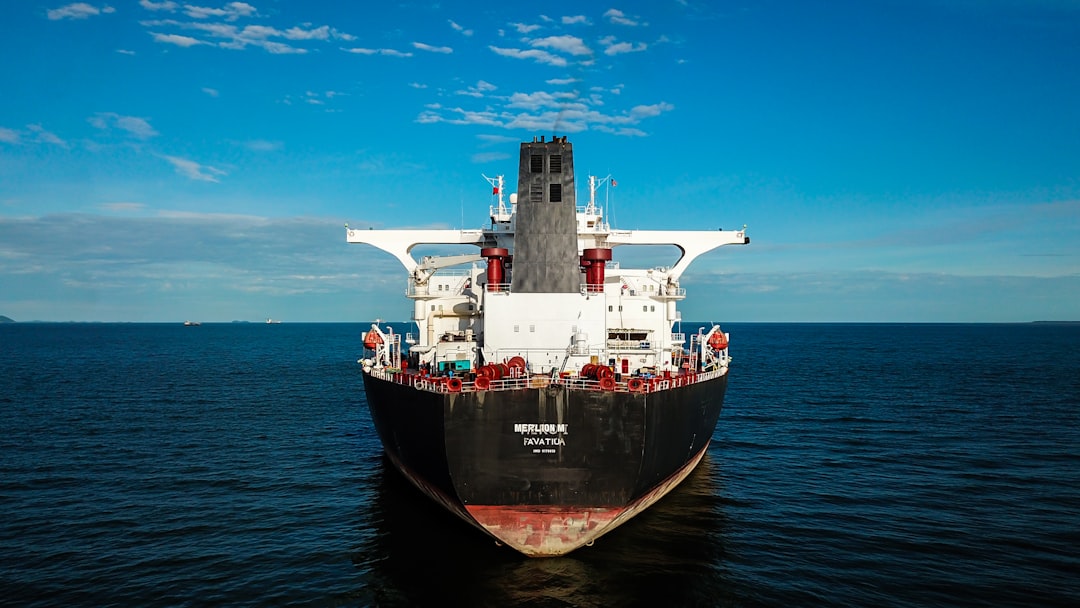
The US Department of Transportation’s Maritime Administration issued an advisory in April, urging shipowners and operators to adopt best practices to secure their digital systems. Similarly, in 2022, the International Maritime Organization released guidelines aimed at managing cyber risks within maritime operations.
The Coast Guard spokesperson confirmed that investigations aboard the VL Prosperity were comprehensive, with the vessel’s captain, crew, and shore staff cooperating fully. Importantly, the latest assessments report no operational disruptions, vessel instability, or environmental risks linked to these incidents.
Behind the Headline
The investigations into cyberattacks on the VL Prosperity and the LNG carrier spotlight a critical concern for modern shipping. As vessels integrate more advanced digital systems designed to enhance operational efficiency, they simultaneously increase their vulnerability to cyber threats. It is imperative for operators to prioritize cybersecurity measures, particularly as geopolitical tensions escalate. Moving forward, vigilance in adhering to industry guidelines and robust communication between maritime stakeholders will be essential to mitigate these emerging threats and ensure safe maritime operations.