Update 02 Sep 2026, 10:36 UTC:
The ongoing tensions between the United States and Iran have significantly heightened following a series of military exchanges on Tuesday, marking a resurgence in hostilities in the strategic Strait of Hormuz. U.S. Central Command (CENTCOM) reported that it executed a wave of strikes against targets belonging to the Islamic Revolutionary Guard Corps (IRGC), specifically targeting air defense sites, radar systems, and naval assets.
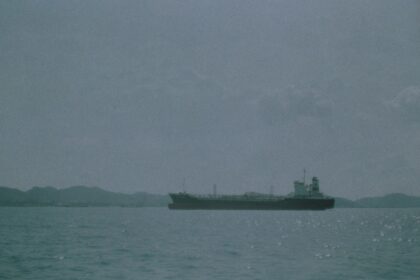
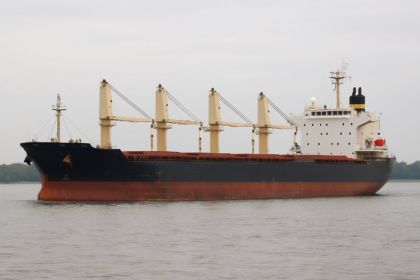
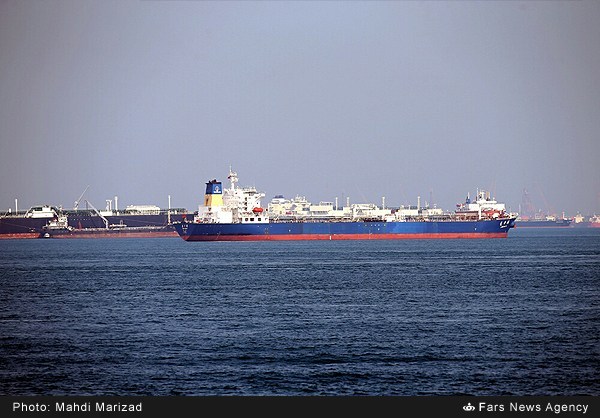
This military action was prompted by a series of recent Iranian attacks on commercial shipping vessels in the Strait, as well as provocations against American service members in the area. Iranian media sources indicated that Iran retaliated by launching strikes on multiple U.S.-linked targets situated in Iraq, Jordan, and Bahrain, further escalating the military confrontations.

Impact on Regional Maritime Operations
The latest military exchanges mark the most severe fighting observed since late July, indicating a significant deterioration in U.S.-Iran relations amid ongoing disputes over the operations within the Strait of Hormuz. The United States has maintained that the strait remains open for commercial navigation, while Iran claims that it is effectively closed to all commercial traffic, creating confusion and uncertainty for shipping operators.
As tensions escalate, U.S. President Donald Trump has indicated a willingness to amplify military actions against Iran, threatening further strikes targeting strategic locations such as Kharg Island, a crucial oil export hub for Iran. These developments prompted a sharp increase in oil prices, reflecting market concerns over potential disruptions to supply routes transiting through the Strait.
Market Response and Future Considerations
The strategic waterway has seen commercial traffic decline, operating at a fraction of pre-conflict levels, which poses serious implications for global oil supply. With neither side yielding ground in its stance, the prospect of securing a peace agreement appears increasingly distant. Shipping operators are thus urged to remain vigilant, as the geopolitical landscape remains fluid and volatile.
The Operational Read
For maritime operators, the current escalation in tensions within the Strait of Hormuz presents significant operational challenges. With threats against commercial shipping and the complicated military engagements between U.S. and Iranian forces, laytime and demurrage risks are amplified for vessels operating in the region. Operators should prepare for potential rerouting and consider the increased insurance and war-risk premiums associated with such volatile waters. The industry will need to monitor developments closely, as further military actions could lead to disruptions in global shipping and oil supplies.