Update 25 Sep 2026, 22:33 UTC:
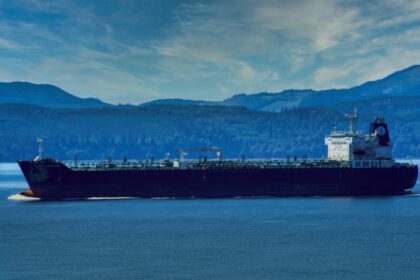
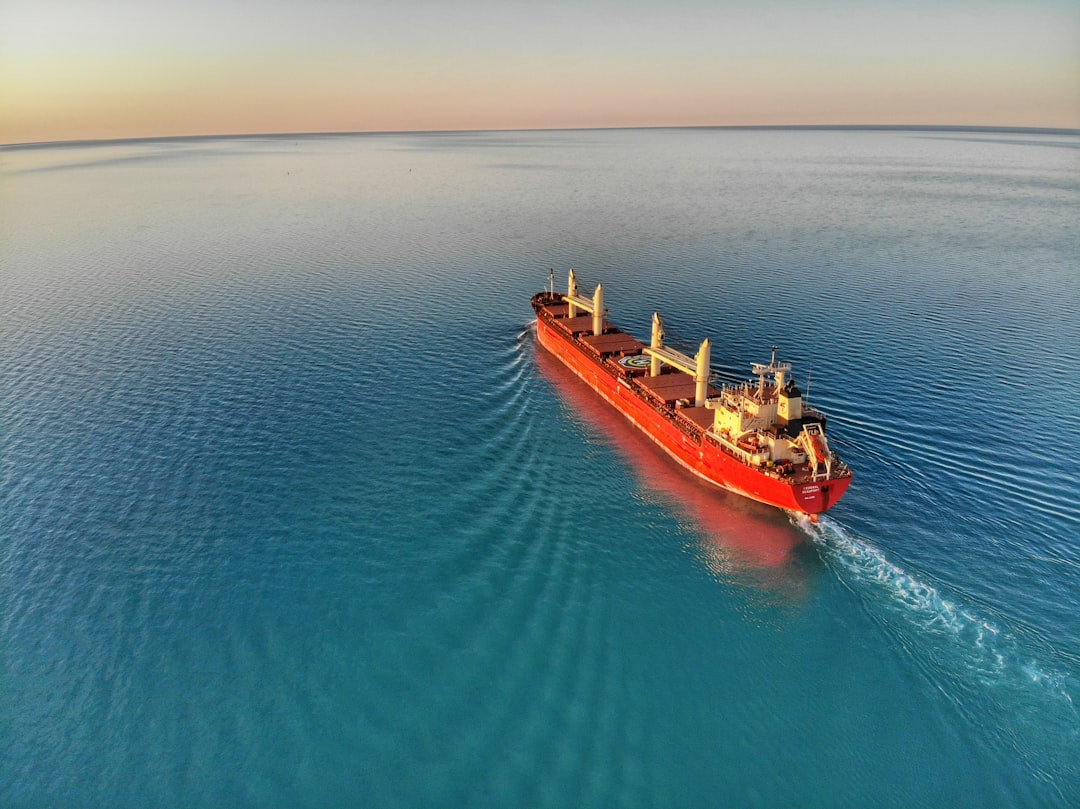
In the latest developments of the tanker market, the passage through the Strait of Hormuz has become increasingly constrained, leading to significant hikes in shipping rates. Reportedly, some Very Large Crude Carriers (VLCCs) are now earning in excess of USD 1 million per day as a result of the combination of heightened Gulf flows and security concerns alongside the limited availability of suitable vessels.
The Incident and Market Response
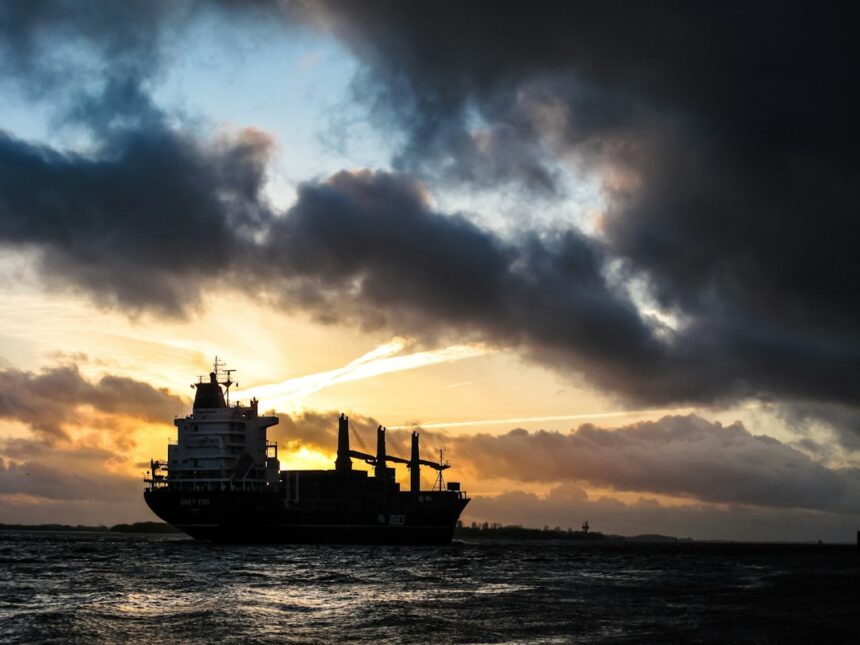
Earlier this week, a tanker incident in the Strait resulted in injured crew members, intensifying existing security issues. Alongside this, reports suggesting a potential phased U.S.-Iran arrangement to reopen Hormuz have brought a glimmer of hope for stability, although the region has yet to see a return to normal operational conditions.


Impact on Crude Oil Prices
The price of crude oil has reacted sharply to fluctuating news regarding Gulf supply dynamics. Brent crude fell below USD 100 per barrel after glimmers of diplomatic progress emerged but saw recovery towards USD 106 by Friday. In contrast, West Texas Intermediate (WTI) has stabilized around USD 94, indicating a slight easing from recent peaks, yet the market remains disturbed, showing that oil prices are still far from pre-conflict levels.
Dry Freight Market Strength
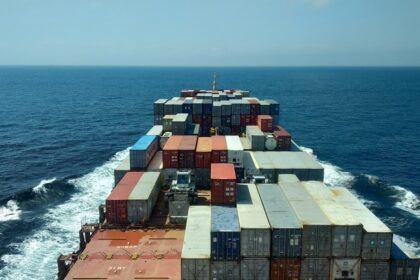
The dry freight sector continues to witness a robust performance as indicated by the Baltic Dry Index, which reached 3,473 on Thursday. Capesize earnings remain particularly strong at 5,939, while earnings in other sectors like Panamaxes and Supramaxes show positive trends as well, at 2,382 and 1,782 respectively. Owners in the dry bulk market are benefitting as demand holds steady.
While tankers are achieving exceptional earnings, the recycling market faces challenges. The soaring rates for tankers have led owners to reconsider selling older vessels as the anticipated profits from trading far outweigh the financial incentives to recycle. This shift in focus reflects a tightening supply of available candidates for recycling, particularly as previously contracted vessels continue to arrive at breaking yards in Chattogram, Alang, and Gadani.
Globally, currencies such as the Indian Rupee hover around 96.0 against the Dollar, while Pakistan’s Rupee has remained slightly stronger at roughly 277.17. In contrast, the Turkish Lira has devalued to around 49 to the Dollar. This currency volatility poses challenges for recyclers, particularly with the Federal Reserve’s recent interest rate increase from 3.75% to 4.00% impacting local steel and vessel availability more directly than changes on the financial front.
Behind the Headline
The current operational landscape for the tanker market underscores the complexities faced by owners, charterers, and operators in navigating high-risk zones such as the Strait of Hormuz. As freight rates soar in response to geopolitical instability, owners are faced with dilemmas regarding the future of their aging fleets. Decisions will likely sway towards retaining capable vessels for lucrative trading opportunities rather than entering the recycling market. Going forward, attention will remain on geopolitical developments and their ramifications for oil supply routes, alongside monitoring performance in the dry bulk sector which shows strength amidst uncertainty.