Update 05 Oct 2026, 14:32 UTC:
The volume of shadow-fleet vessels transporting Russian oil and LNG through the Northern Sea Route (NSR) has seen a notable increase this summer, as outlined in recent analyses by Bellona’s Environmental Transparency Center. This uptick raises significant safety concerns regarding the capability of current operational procedures in one of the world’s most challenging maritime environments.
Traffic Levels and Vessels’ Capabilities
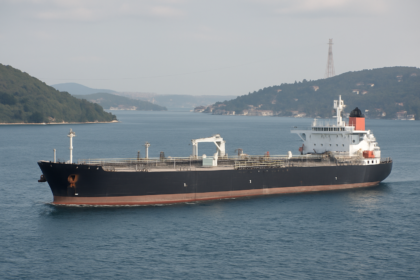
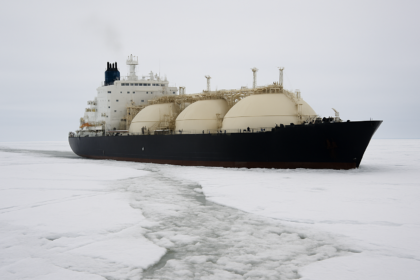
Between the start of the summer-autumn navigation season and mid-September 2026, 50 shadow-fleet oil tankers and 18 LNG carriers were identified traversing the NSR. This figure starkly contrasts with the entirety of the 2025 navigation season, which recorded 38 oil tankers and 13 LNG carriers. Observations from Bellona suggest that the number of shadow-fleet vessels using this route has increased over three consecutive years.

Notably, during the reported period, sanctioned vessels accounted for about 75% of all oil tankers and nearly 40% of LNG carriers on the route. The findings underline significant operational risks since many of these vessels lack appropriate ice-class ratings. Of the 50 identified oil tankers, 26 are categorized with an ice class of Ice3 or lower, and 33 are over 15 years old. Most vessels are flagged in Russia, while others are registered in Oman and Sierra Leone.
The Clean Vision and Regulatory Complexities
Among the vessels is the Clean Vision, an Arc4 LNG carrier sailing under the Maltese flag despite being sanctioned by the United Kingdom in October 2025 and Canada in June 2026 for its role in Russian LNG transport. Malta’s Sanctions Monitoring Board states that while it adheres to EU and UN sanctions, it is not bound by those imposed unilaterally by other states, leading to a regulatory gap allowing this vessel to continue operations.
The increase in traffic also presents operational challenges, as evidenced by incidents occurring this past summer. In late July, at least nine shadow-fleet oil tankers were spotted accumulating in the Kara Sea attempting to navigate the Vilkitsky Strait. Out of these, seven had low ice classes, with only two classified as Arc4 vessels. This predicament necessitated assistance from two Russian nuclear-powered icebreakers while only the Arc4-class Breeze managed to pass the strait, leaving other vessels to struggle with alternate routes.
This situation accentuates the vulnerability of inadequately prepared vessels encountering harsh Arctic conditions, causing sufficient delays ranging from seven to 14 days due to detours that added approximately 550 nautical miles to their journeys. The complexities of navigating through icy waters had made it clear that there is a pressing need for a reevaluation of the operational guidelines and safety measures governing these shadow-fleet operations.
Behind the Headline
The ongoing surge in shadow-fleet traffic on the Northern Sea Route underscores a critical operational reality in the maritime industry: the potential risks associated with navigating unfit vessels in challenging Arctic conditions. The involvement of older, lower ice-class tankers raises pressing questions about their operational safety and compliance with ice navigation standards. Additionally, the persistent presence of sanctioned vessels further complicates the landscape, challenging operators to ensure transparency while navigating regulatory and navigational pressures. As the maritime sector moves forward, it is imperative to monitor operational responses and demand heightened scrutiny for maritime standards that protect against environmental and navigational risks.