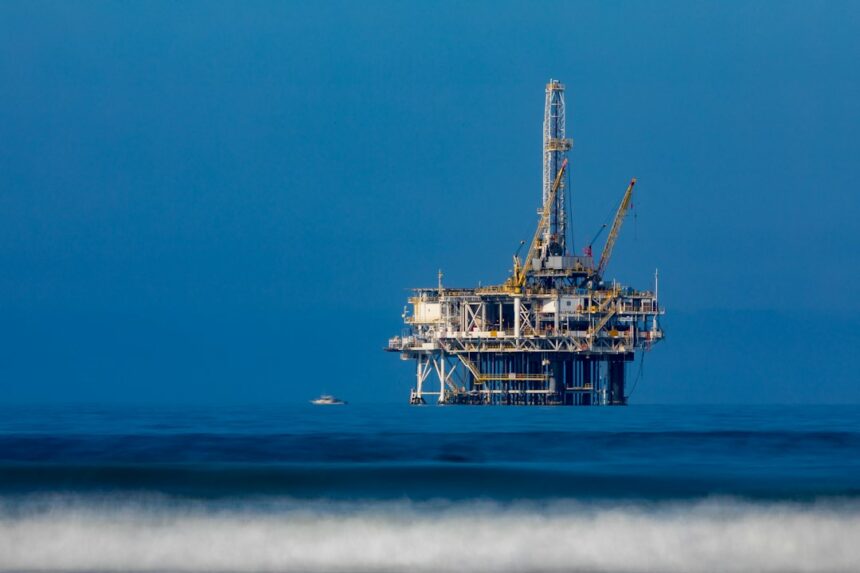
Offshore engineering company TechnipFMC has secured two substantial contracts from ExxonMobil for the Longtail gas-condensate development located in Guyana’s Stabroek block. This project represents a significant investment, valued at $12.5 billion, aimed at enhancing natural gas extraction in the region.
The Contracts
The first contract encompasses project management, engineering, and the manufacture of subsea production systems essential for the project. This includes advanced Subsea 2.0 trees and manifolds, alongside associated control systems needed for effective subsea operations. TechnipFMC categorizes this contract as large, indicating a strong value and strategic importance to both companies involved.

Impact on Guyana’s Energy Landscape
ExxonMobil’s ongoing development efforts in the Stabroek block are crucial for Guyana’s emerging status as a significant player in the global energy market. By collaborating with TechnipFMC, ExxonMobil is not only enhancing its operational efficiencies but also boosting local capabilities. The integration of state-of-the-art technology in subsea production systems will facilitate increased productivity and safety in offshore operations.

Future Prospects
The awarding of these contracts underscores the growing demand for energy resources, emphasizing TechnipFMC’s pivotal role in addressing these needs. As Guyana continues to develop its offshore capabilities, strategic partnerships will be essential for maximizing output while adhering to environmental standards. Market observers are closely monitoring this project for its implications on regional energy dynamics and supply chains.
Behind the Headline
The contracts awarded to TechnipFMC illustrate the operational complexities and technological advancements required for successful subsea developments in offshore oil and gas. With an emphasis on Subsea 2.0 technology, these contracts enable improved operational efficiency and safety standards in deepwater environments. For operators and stakeholders, the focus remains not only on production levels but also on sustainable practices as the industry evolves. This strategic partnership is crucial as it signals a robust commitment to fulfilling increasing global energy demands while navigating regulatory and environmental challenges.