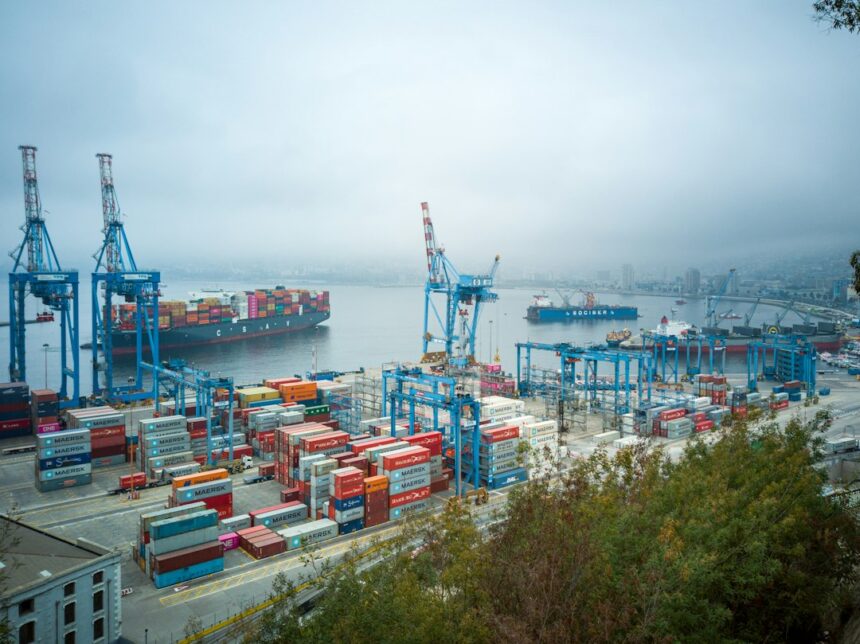
Congestion in the UK container logistics network is currently exerting upward pressure on freight rates, as carriers navigate a challenging operational landscape characterized by import backlogs, schedule disruptions, and restrictions on empty-container returns. According to a customer advisory from Maersk on November 24, factors including sustained high import volumes and adverse weather conditions have intensified challenges faced by ports and landside operations in the UK and Ireland.
The Incident
Maersk highlighted that vessel delays, combined with high utilization of inland storage, have further exacerbated disruptions within the logistics system. The carrier noted that normal network fluidity would require time to restore, even as some services show signs of recovery. Adding to the bottlenecks, London Gateway ceased accepting empty-container returns as of November 24, while Felixstowe Quay and Tilbury Quay are currently closed to empty returns pending planned evacuations. These restrictions are anticipated to lengthen truck turn times and complicate repositioning of containers, thus effectively reducing market capacity despite the nominal availability of vessel space.
Market Impact
Market stakeholders report that the disruptions are most acute within North Europe, with ramifications likely to touch pricing and capacity management across broader European trades. A container operator analyzed that North Europe faces more significant congestion issues relative to the Mediterranean, although the troubles adversely affect all regions. Persistent congestion, attributed to staffing shortages, delayed infrastructure upgrades, and vessels arriving outside their scheduled time slots, has been developing for over a year. While blank sailings may provide temporary relief, a source indicated they would not resolve the underlying issues. Increased demand is expected to exacerbate congestion conditions moving forward.

Operator Response
The prospect of additional Asia-Europe services utilizing Suez Canal routes may pose another immediate operational challenge. Although shorter transit routes could eventually relieve some vessel capacity, a freight forwarder noted that the initial transition might heighten congestion levels as shipping schedules are realigned. The convergence of delayed vessels, restricted terminal storage, and limits on empty-container returns is converging to reduce effective supply chain capacity. With freight rates continuously pressured—recently assessed at $3,400 per FEU from North Asia to North Europe and $5,400 per FEU to the Mediterranean—UK port congestion will likely remain a significant factor in freight pricing dynamics until terminals can clear backlogs and empty equipment circulates more effectively.
Behind the Headline
The ongoing situation within UK ports underscores critical operational challenges for carriers. Delays and congestion impact not only shipping timelines but also the financial aspects of logistics, as increased freight rates can alter demand patterns and cost structures. Operators must closely monitor the evolving landscape, particularly as operational efficiencies become paramount in responding to rising volumes. The industry is watching for improvements as ports work to rectify congestion issues and restore normal empty-container return processes—decisive actions that will ultimately shape market conditions in the near future.