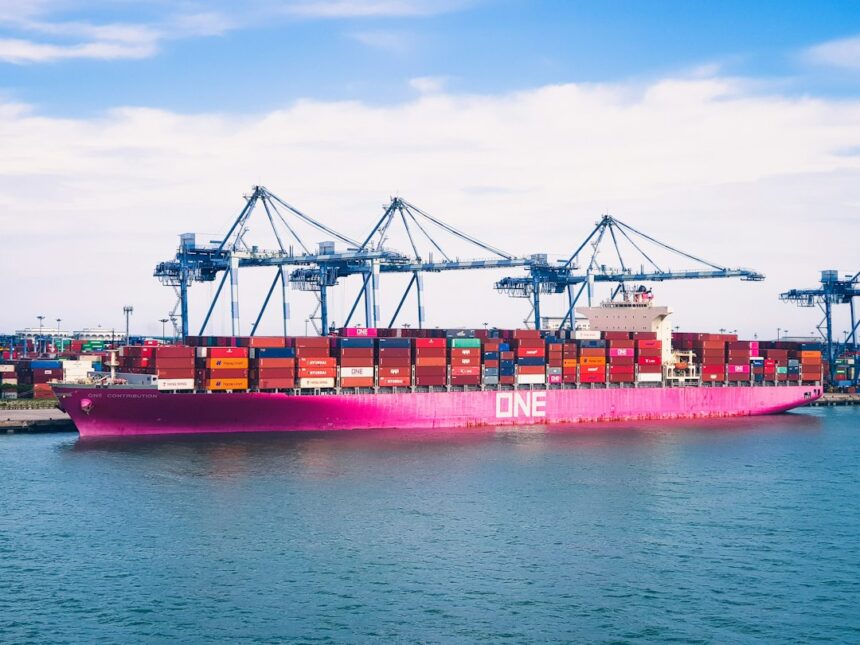
The Pacific Maritime Association (PMA) announced on Saturday that it has reached a tentative agreement with the International Longshore and Warehouse Union (ILWU) Local 26, which represents around 250 security officers at the Los Angeles and Long Beach ports. This agreement is critical in averting a potential strike that could have severely disrupted operations at the two busiest cargo shipping hubs in the United States.
The Negotiation Context
Negotiations between the PMA and ILWU Local 26 have extended over the course of more than a year. On Friday, following a two-day hiatus, parties resumed federally mediated discussions. The PMA had previously reported “little-to-no movement” from the union regarding its proposals, prompting concerns about a possible work stoppage.
Details of the Agreement
The tentative agreement is subject to ratification by Local 26 members, with the current contract extended in the interim. The PMA had proposed a one-time bonus of $3,200 for each security officer and a wage increase that would elevate average annual earnings for full-time watchmen from over $170,000 to $198,000. Additionally, the offer ensures that health benefits—which include employer-paid healthcare valued at more than $62,000 annually for both current and retired employees—are preserved, along with enhanced pension benefits for longer-tenured workers, potentially reaching up to $93,200 a year.


Operational Importance of Security Personnel
Although the number of security officers represents a small fraction of the workforce at these ports, their roles are fundamentally important. They are responsible for controlling access at terminal gates, conducting security patrols, and reporting safety issues, thereby ensuring the safety and integrity of port operations. The resolution of these negotiations signals a commitment to maintaining operational stability and can help alleviate any disruption in cargo flow through these critical maritime gateways.
Behind the Headline
The successful negotiation with ILWU Local 26 reflects the persistent challenges in labor relations within the port sector. As critical access control points, security officers’ roles are essential to maintaining port security and efficiency. Their contract negotiation underscores the importance of engaging in proactive discussions to prevent strikes that could devastate supply chains. Stakeholders should monitor the ratification process closely, as final approval will determine the future labor landscape at these major ports. Moving forward, the focus will likely shift to how other labor negotiations may evolve in response to this tentative agreement.