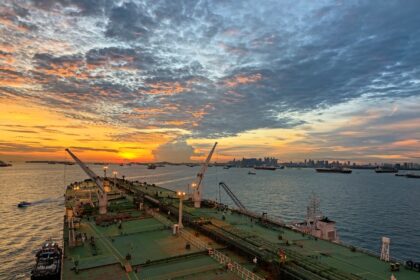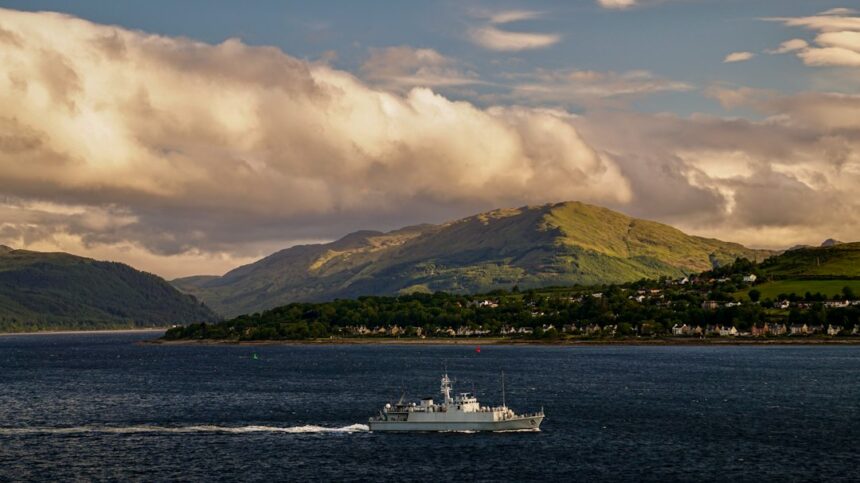
Iran has intensified threats against U.S. military forces and commercial shipping as the USS Theodore Roosevelt arrives in the Gulf, marking a significant increase in American naval presence amid ongoing tensions. The Revolutionary Guards Navy asserted that the southern route through the Strait of Hormuz is effectively closed, branding it a ‘minefield of fire’ and warning shipping companies against using it, according to regional media reports.
The Incident
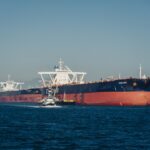
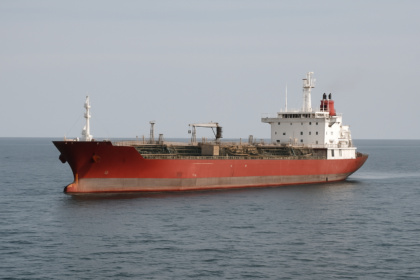
On Tuesday, the UK Maritime Trade Operations reported that a tanker was struck by an unidentified projectile in the Strait of Hormuz, subsequently catching fire. The agency did not attribute responsibility for the incident but urged vessels to exercise heightened vigilance and report any suspicious activities. Additionally, Iranian naval sources stated that four oil tankers were damaged by mines in the previous 24 hours, exacerbating fears over maritime security in this critical chokepoint.
Geopolitical Tensions and U.S. Response
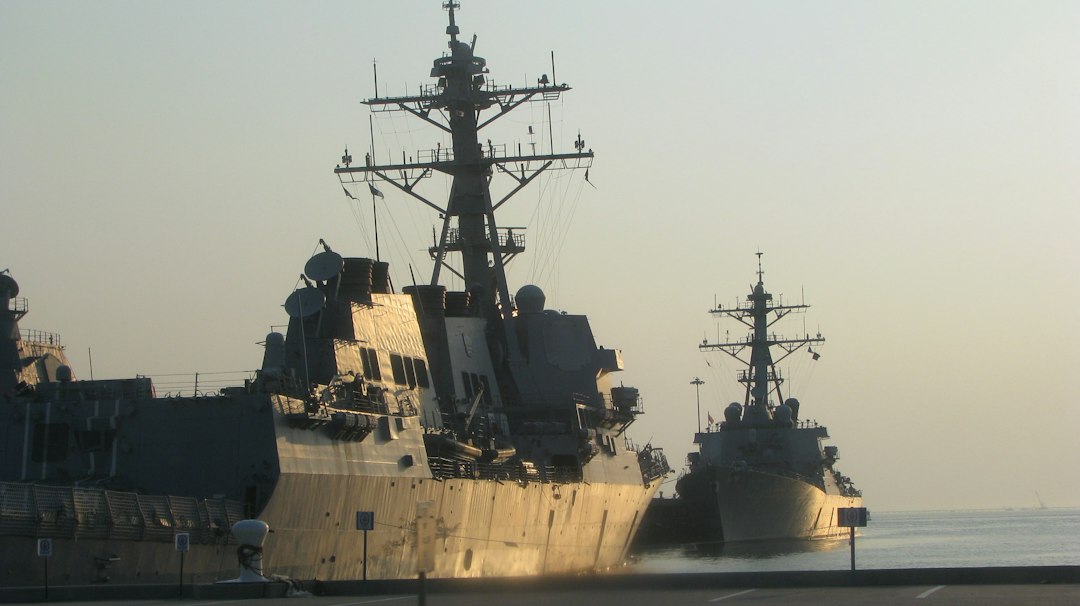
The arrival of the USS Theodore Roosevelt to the Gulf on Sunday adds to the U.S. naval assets already present, which include the USS George H.W. Bush and USS George Washington. This buildup occurs as U.S. officials closely monitor Iranian developments, including unverified intelligence suggesting Tehran might consider using chemical weapons to target senior U.S. government officials.

U.S. Treasury Secretary Scott Bessent has moved to military housing in response to these threats, reflecting the serious nature of the situation. A White House spokesperson confirmed ongoing vigilance against potential threats but stated there were currently no credible threats to U.S. homeland security.
Market Reactions
As geopolitical tensions continue to rise, oil prices have retracted slightly, with Brent crude futures falling by 0.7% to $91.8 per barrel, indicating market sensitivity to the regional instability. The interplay between military maneuvers and oil market fluctuations highlights the acute risks for shipping operators as they navigate this increasingly volatile environment.
The Operational Read
The current escalation in rhetoric and military presence in the Hormuz Strait underscores the precarious nature of maritime operations in this key waterway. For operators, the implications of Iran’s threats necessitate enhanced risk assessments and contingency planning as vessels may face operational delays or rerouting in response to security advisories. Monitoring developments closely is essential, particularly regarding potential escalations that could affect shipping routes and oil supply chains. Continuous engagement with maritime safety authorities will be crucial for navigating these challenging circumstances.