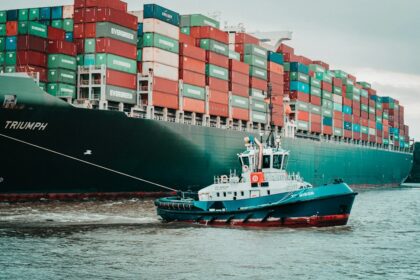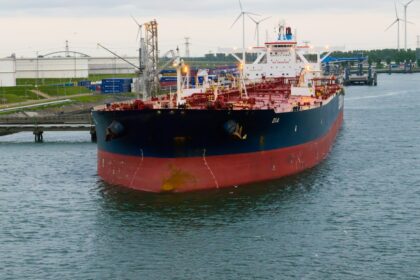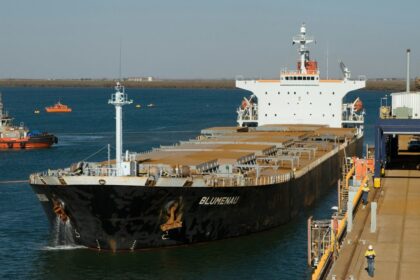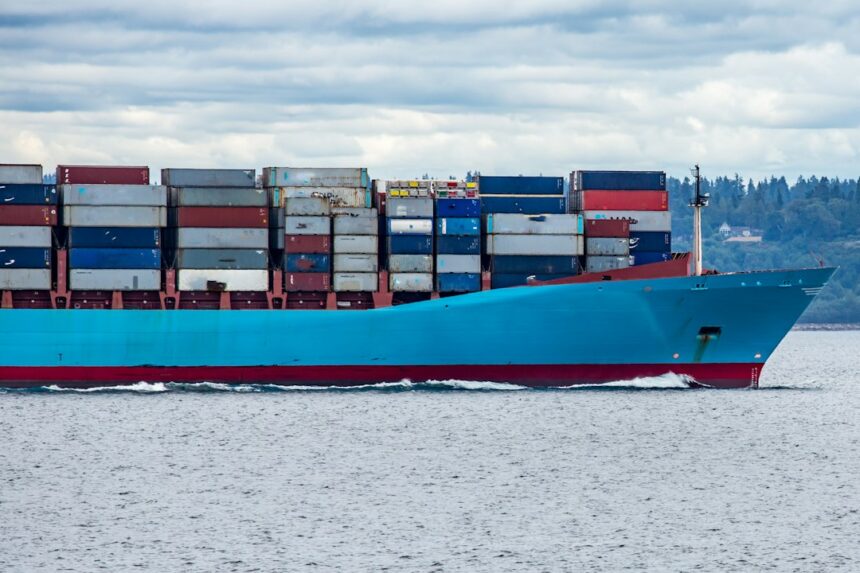
A coalition of African nations, including Guinea, Ivory Coast, and Mauritania, is taking decisive steps to impose carbon charges on international shipping. This agreement was formalized during the COP31 climate summit in Antalya, Turkey, underscoring a proactive regional approach to climate action in the face of existing global trade challenges.
The Agreement
The pact outlines a framework for the development of a coordinated carbon pricing scheme, aiming to mitigate greenhouse gas emissions from maritime activities within the participating nations. With the shipping industry under increasing scrutiny regarding its environmental impact, this collaboration could establish a new layer of regulatory compliance for operators navigating both African and European waters.

Implications for Shipowners
This regional initiative introduces complexity for shipowners, who are already contending with stringent emissions regulations set forth by European authorities. The introduction of carbon charges in Africa may necessitate a reevaluation of operational strategies, vessel deployments, and fuel sourcing to ensure compliance with multiple regulatory environments.


Strategic Considerations
As operators evaluate potential routes and operational costs, the development of a uniform carbon pricing mechanism across these African nations could serve as a model for other regions. The impact of these charges on freight rates, shipping logistics, and global trade dynamics will be critical areas for stakeholders to monitor closely as this initiative progresses.
Why It Matters
The establishment of a carbon pricing regime among African nations represents a significant shift in maritime policy, potentially creating a precedent for coordinated environmental efforts across different regions. For shipowners, the need to adapt to such regulations could translate into increased operational costs, particularly for those reliant on conventional fuels in markets already burdened by existing compliance obligations. Companies must closely watch developments in this space, as the intersection of regional and international regulations could reshape operational strategies and affect freight competitiveness. The shipping industry is likely to experience heightened pressure to innovate, particularly in terms of adopting low-carbon technologies or alternative fuels to remain compliant.