More than a decade after the expiration of their concession licenses, terminal operators continue to manage Nigeria’s ports, raising concerns about operational integrity and financial implications for the country. Due to delays in the renewal of these licenses and a lack of performance audits, Nigeria faces potential revenue losses and weakened investor confidence.
License Expiry Impact
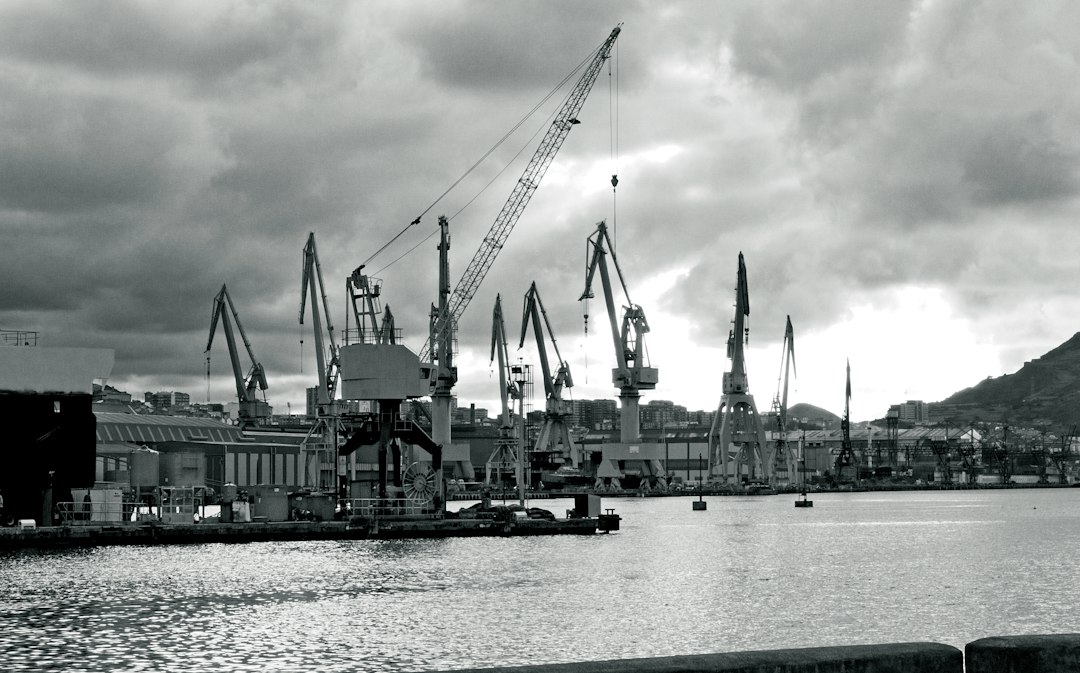
The continued operation of terminal operators under expired licenses threatens the credibility of Nigeria’s port concession framework. Designed to enhance efficiency and attract investment, this system is now being compromised by stagnant renewal processes. The Infrastructure Concession Regulatory Commission (ICRC) Act requires new tenders and competitive bidding post-expiration, but the government has failed to enforce these rules effectively.
Industry stakeholders fear that allowing concessionaires to operate without renewed contracts creates an uneven market landscape, which deters new entrants and diminishes opportunities for modernization. With Nigeria’s seaports serving as essential gateways for trade, the prevailing uncertainty around concessions could lead to broader economic ramifications.

Revenue and Regulatory Concerns
Despite ongoing operations, terminal operators are reportedly paying reduced service fees to the Nigerian Ports Authority (NPA), thus shortchanging the Federal Government on the full concession agreement fees. A World Bank document highlighted the financial disparity; APM Terminals, for example, submitted a bid in 2005 with a net present value of $1.06 billion, indicating a stated investment in capital projects that is unlikely to be realized without aggressive government oversight.
The absence of a timeline for addressing expired agreements and conducting performance audits raises doubts about the government’s commitment to improving efficiency among operators. The operational gaps in the legal and structural framework, left unaddressed since the contracts were signed in 2006, have led to systemic shortcomings within the maritime sector.
Government’s Next Steps
As stakeholders increase pressure on the Federal Government for decisive action, the maritime sector waits for clarification on concession statuses. The government has been criticized for its failure to publish necessary performance metrics or conduct terminal performance reviews as mandated. While service continuity appears to be prioritized, the uncertainties surrounding the status of expired concessions highlight an urgent need for transparent regulation and a clear operational plan moving forward.
Behind the Headline
The operational crisis unfolding in Nigeria’s ports stems from ineffective regulatory frameworks that have failed to adapt to changing market demands. For ship operators and potential investors, the ongoing uncertainty can severely impact operational planning and financial forecasting. Stakeholders should monitor developments closely, as a failure to renew licenses or implement robust performance metrics could hinder infrastructure investments and economic revitalization in one of Africa’s most strategically important maritime environments.