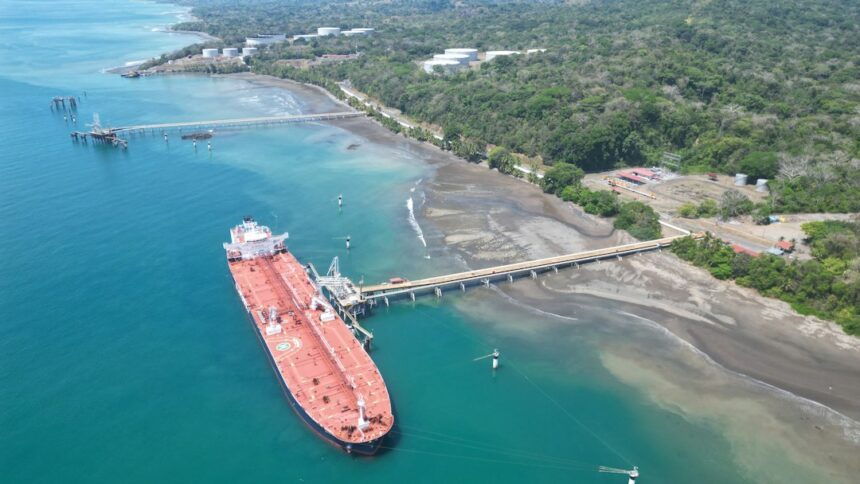
The European Union has escalated its sanctions against entities involved with Russia’s shadow fleet, focusing on tanker owners, ship managers, and oil buyers in multiple countries. Adopted on Monday, this latest wave of sanctions adds 12 individuals and 101 entities to the EU’s restrictive measures aimed at curtailing Moscow’s maritime energy exports.
Expanded Sanctions Overview
This round of sanctions specifically targets companies and individuals found to be facilitating the transport and sale of Russian oil, which has faced international scrutiny since the outset of the Ukraine conflict. Among those listed are firms based in the United Arab Emirates and China, indicating the EU’s intent to disrupt a network that has enabled the continuation of these exports.
Impact on Shipping Operations
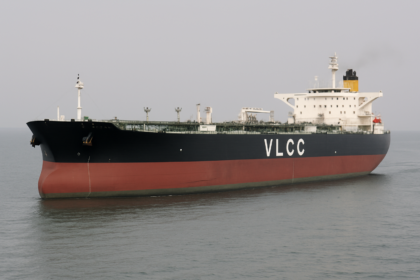
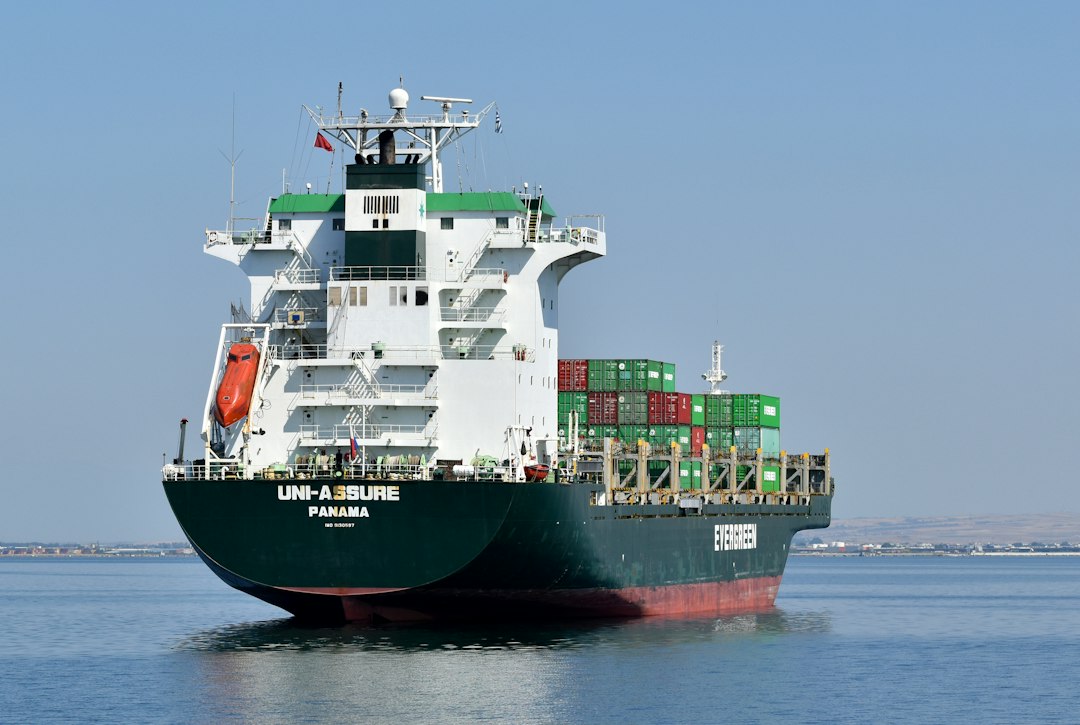
By including ship managers and insurers in the sanctions, the EU aims to undermine operational capabilities of Russia’s maritime logistics. The targeted sanctions serve not only to increase the operational costs through potential loss of insurance coverage for ships involved in transporting Russian oil but also complicate the ownership structures that conceal the true identity of beneficial owners in this shadow fleet. As a result, these measures could inhibit the ability of these vessels to operate without detection.


Market Reactions and Future Considerations
The response of global shipping markets will be closely watched, particularly regarding how vessel operators adjust to these enhanced sanctions. Industry stakeholders may explore alternative routes and partners to circumvent these restrictions, but the risk factor is expected to rise significantly as compliance becomes more complex. The EU’s actions signal a calculated approach to reinforce energy sanctions while supporting its geopolitical stance against Russia.
Behind the Headline
The EU’s ramped-up sanctions reflect a broader commitment to disrupt illicit shipping operations that support Russia’s energy sector. As the sanctions landscape evolves, operators within the shipping industry must navigate increased regulatory scrutiny and manage potential knock-on effects such as higher insurance rates and rerouted shipping lanes. Stakeholders should prepare for a volatile operational environment as compliance with these sanctions becomes increasingly rigorous, impacting shipping logistics and costs in the long term.