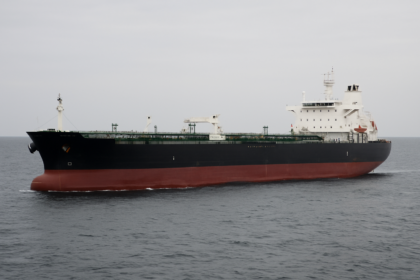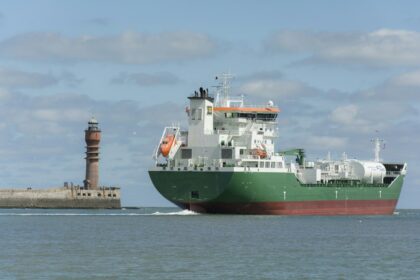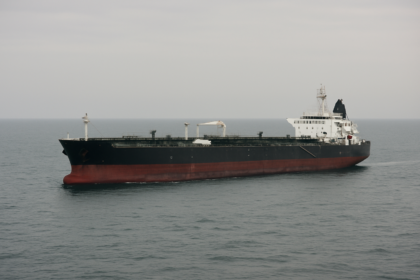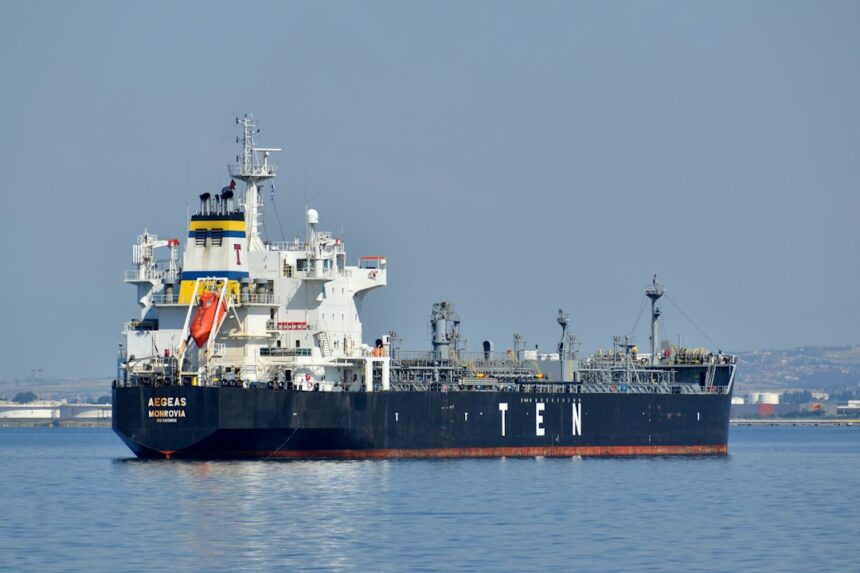
The security situation in the Strait of Hormuz, one of the world’s most vital maritime chokepoints, has recently escalated, highlighted by multiple tanker attacks and hazardous navigation claims. The UK Maritime Trade Operations (UKMTO) reported that two tankers were struck by unidentified projectiles on Tuesday, 10 November 2026, approximately 19 nautical miles northeast of a key transit point.
Security Incidents
In addition to the projectile strikes, Iran claims that three vessels have encountered naval mines as they maneuvered through the strait, further intensifying fears among maritime operators about the risks associated with transiting the area. The Strait of Hormuz is critical for global oil transport, and recent developments may lead to a reevaluation of shipping routes and increased operational costs.
Operational Implications
The UKMTO’s advisory emphasizes the necessity for heightened vigilance among ship operators in the region, underscoring the potential for further conflicts. Such instability not only threatens the safety of vessels but also risks disrupting the flow of oil, which is critical for the global energy market. The maritime community is likely to respond by adjusting security protocols, with considerations for potential rerouting or hiring additional security services.

The Operational Read
Operators and charterers must recalibrate their risk assessments when transiting the Strait of Hormuz, factoring in higher insurance premiums and possible delays. With two confirmed tanker attacks and ongoing mine threats, instant readiness and the implementation of robust maritime security measures will be essential. The impacts on laytime and demurrage costs could be significant, compelling stakeholders to prepare for a potentially prolonged period of unrest in the region. Close monitoring of developments will be crucial for ensuring the safety and operational efficiency of maritime operations in one of the world’s busiest shipping lanes.