Iran’s oil exports have plummeted to almost zero as a result of the US naval blockade, severely impacting the country’s economy and its war-related negotiations. According to Fereidun Fesharaki, Chairman Emeritus at FGE NexantECA, the likelihood of a swift peace deal between the US and Iran remains low. The ongoing conflict has left Iran facing significant economic challenges as it struggles to adapt to international sanctions.
Current Oil Export Situation
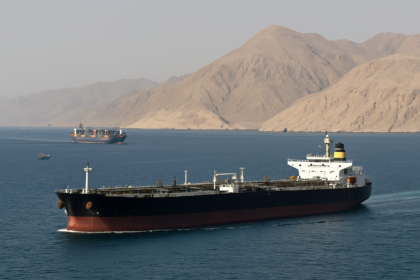
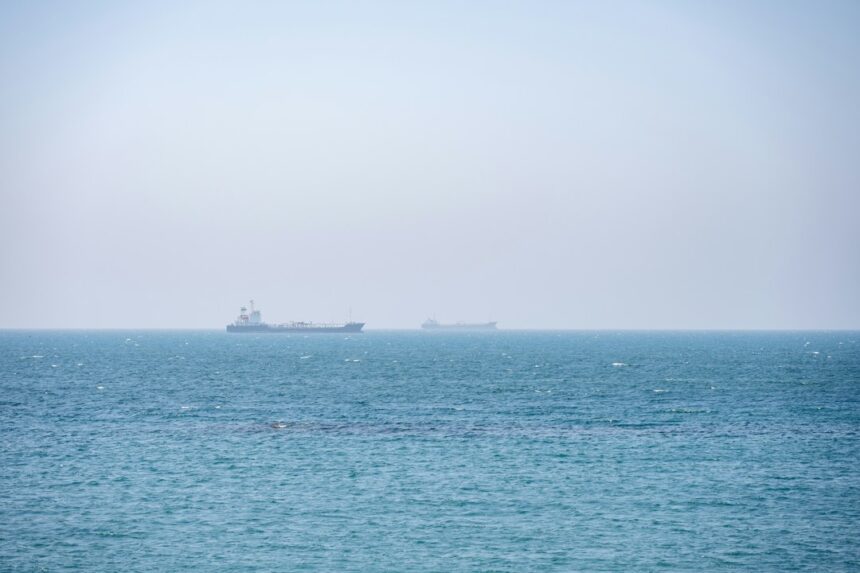
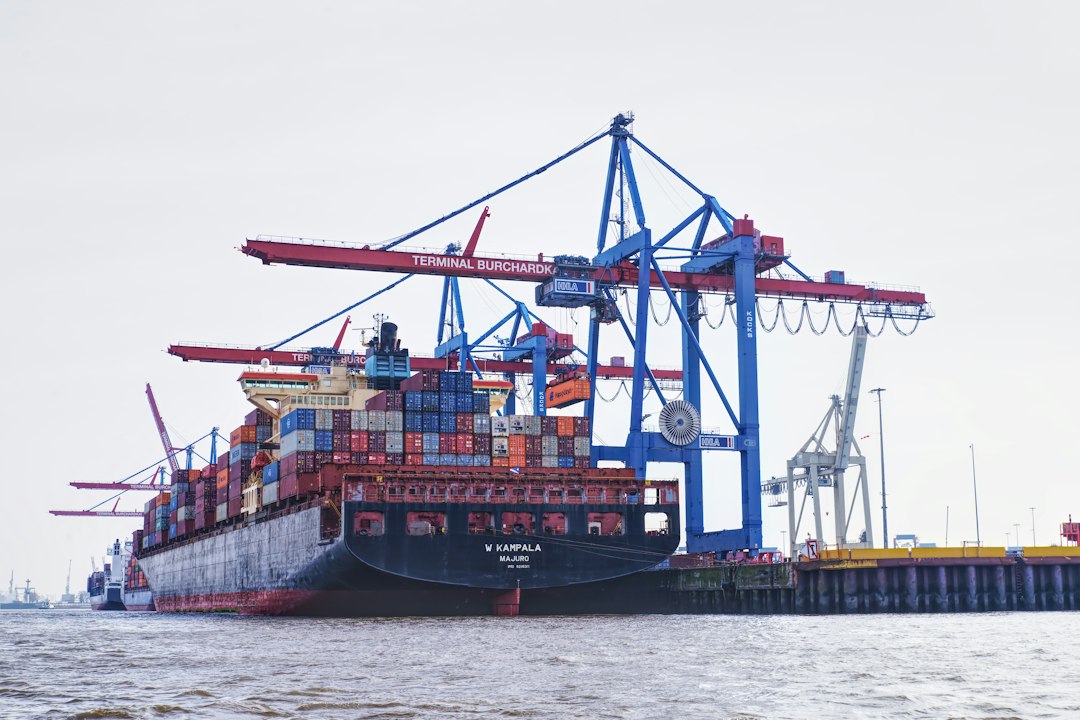
Under the blockade, Iran is reportedly moving only between 200,000 and 300,000 barrels per day through Iraq, a substantial decline compared to previous volumes. This represents a critical loss of revenue after over eight months of war. As of September and October, Iran did not load any crude oil onto tankers, marking the first months without loadings since the conflict began in February. Vessel-tracking estimates indicate that at least 54 tankers, filled with Iranian oil and other petroleum products, are currently immobilized along the nation’s shoreline.
Implications for Negotiations and Global Markets
The impact of the blockade extends beyond Iran’s borders, with potential ramifications for global oil markets. As tensions rise, crude prices had previously surged to six-month highs due to threats of renewed US strikes against Iran. However, following the midterm elections, where the Republican Party faced significant losses, the likelihood of immediate military action appears to have reduced. Brent crude prices have fallen approximately 15% this week, highlighting the volatility of international oil markets influenced by geopolitical events.


Operational Challenges Ahead
Despite the blockade, reports suggest that some smaller vessels continue to navigate the naval restrictions, with about 11 ships identified as having successfully transported Iranian liquefied petroleum gas. However, the absence of significant exports is eroding Iran’s budget, and economic stability is increasingly threatened.
Behind the Headline
The operational reality behind Iran’s drastic reduction in oil exports underscores a critical junction for both the Iranian economy and international energy markets. The continuing naval blockade has illustrated the severe constraints on Iran’s ability to supply crude oil, significantly affecting its revenue stream. As Iranian demands on the US exceed what Washington is willing to concede, operators in the region must remain vigilant to shifts in policy and military posture. The upcoming weeks are vital: if oil exports do not resume, operational adjustments may be necessary for global supply chains already affected by fluctuating market conditions.