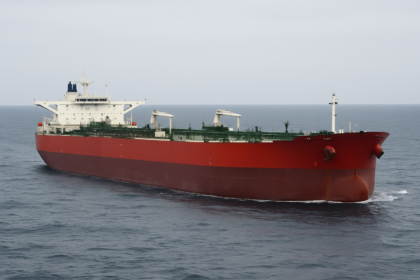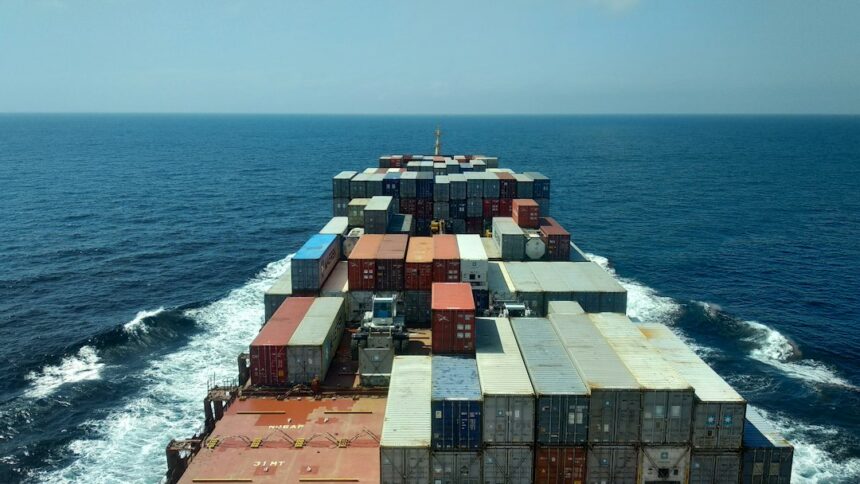
A.P. Moller-Maersk has announced a significant expansion of its newbuilding program, confirming orders for 26 dual-fuel LNG vessels, which will collectively add nearly 484,000 TEU to its fleet. Each of these new vessels will possess a capacity of 18,600 TEU, with deliveries slated for 2029 and 2030. This move highlights Maersk’s commitment to fleet renewal and adaptation to the evolving maritime fuel landscape.
Details of the Order
The details surrounding the order were revealed in Maersk’s third-quarter earnings report, emphasizing the company’s strategic focus on investing in larger, more fuel-efficient vessels. The new ships represent approximately 10% of Maersk’s existing operational capacity, demonstrating a notable investment in the future of its fleet.
This recent order follows a separate agreement made in February for eight dual-fuel vessels, also designed with a capacity of 18,600 TEU, which are under construction at New Times Shipbuilding in China. These ships are notable for their operational flexibility, being smaller than the largest vessels currently being developed by competitors in the market.

Strategic Shift to LNG
Initially recognized for advocating methanol as an alternative marine fuel, Maersk has shifted towards a broader fuel strategy, embracing LNG-capable propulsion systems. This transition is part of a larger industry trend focusing on diverse fuel pathways to accommodate future regulations and availability concerns. LNG engines facilitate dual-fuel operations, allowing ships to utilize conventional marine fuels or liquefied natural gas, with the possibility of converting to lower-emission fuels as they become more accessible.
The decision to invest in LNG comes amid a report from Lloyd’s Register, revealing LNG bunkering facilities at 222 ports worldwide, significantly outpacing the 25 ports equipped for methanol bunkering. This discrepancy underscores the growing dominance of LNG in the alternative fuel sector, despite ongoing discussions regarding its long-term environmental impact.
Implications for the Market
While the newbuilding plans signal a substantial boost to Maersk’s construction pipeline, they raise questions about future fleet capacity in the competitive shipping market. Although Maersk has indicated that these orders are primarily meant to replace aging vessels rather than expand overall capacity significantly, the net effect on fleet size will largely depend on how many existing vessels are retired as new ships commence operations.
This order arrives at a time when Maersk’s ocean business is thriving, aided by tight vessel availability, ongoing port congestion, and increased freight rates. The company reported a third-quarter operating profit of $2.6 billion, reflecting strong performance influenced by these market conditions.
Behind the Headline
The decision by Maersk to invest in 26 new LNG dual-fuel vessels represents a strategic pivot that aligns with evolving market demands and operational flexibility. The integration of LNG propulsion enhances the company’s competitive edge while addressing future fuel availability challenges. As the maritime sector navigates complex regulatory frameworks and sustainability pressures, the operational reality for shipowners will increasingly focus on the adaptability of fuel systems. This shift not only reflects Maersk’s commitment to a more flexible fleet but also signals a broad movement within the industry towards sustainable shipping practices that accommodate various fuel options.