Greenland’s parliament has decided to implement a phased ban on discharges from ships’ exhaust gas cleaning systems (EGCS), responding to increasing environmental pressures in Arctic waters. The votes on November 4, 2026, signal a growing regulatory landscape that could significantly affect vessel operations, particularly for cruise operators utilizing scrubbers to adhere to international emissions standards.
Details of the Ban
The adopted proposal will prohibit discharges from open-loop scrubbers in Greenland’s ports, internal waters, and territorial sea starting July 1, 2027. By July 1, 2029, this prohibition will extend to all scrubber systems, including those classified as closed-loop. The measure follows a proposal by parliamentarian Justus Hansen of the Demokraatit party and reflects a coordinated regional approach under the OSPAR Convention, which governs the Northeast Atlantic.
Environmental Concerns
Scrubber systems enable ships to continue using higher-sulfur fuels by washing sulfur oxides from exhaust gases. Open-loop systems utilize seawater, subsequently discharging contaminated washwater back into the ocean, while closed-loop systems recirculate washwater but generate waste that requires proper disposal. This dual strategy has raised alarms within environmental bodies, including the Clean Arctic Alliance, which argues that scrubbers present a loophole that permits continued reliance on heavier, more polluting fuels instead of transitioning to cleaner alternatives like marine gas oil.

Implications for the Shipping Industry
With Greenland’s decision, the ban adds another layer to the regulatory framework affecting shipping in the Arctic. The region has seen various measures tightening emissions standards, with the Canadian Arctic and the Norwegian Sea designated as Emission Control Areas (ECAs) effective March 1, 2026. These measures impose stricter sulfur content limits on marine fuel, aligning with efforts to minimize nitrogen oxide and sulfur oxide emissions.
While existing ECAs mitigate the use of heavy fuel oil (HFO) in certain scenarios, they often allow vessels equipped with scrubbers to adhere to sulfur regulations while burning residual fuels. Additionally, the International Maritime Organization’s (IMO) ban on heavy fuel oil began enforcing its provisions under MARPOL Annex I in July 2024, requiring specific compliance from vessels by 2029.
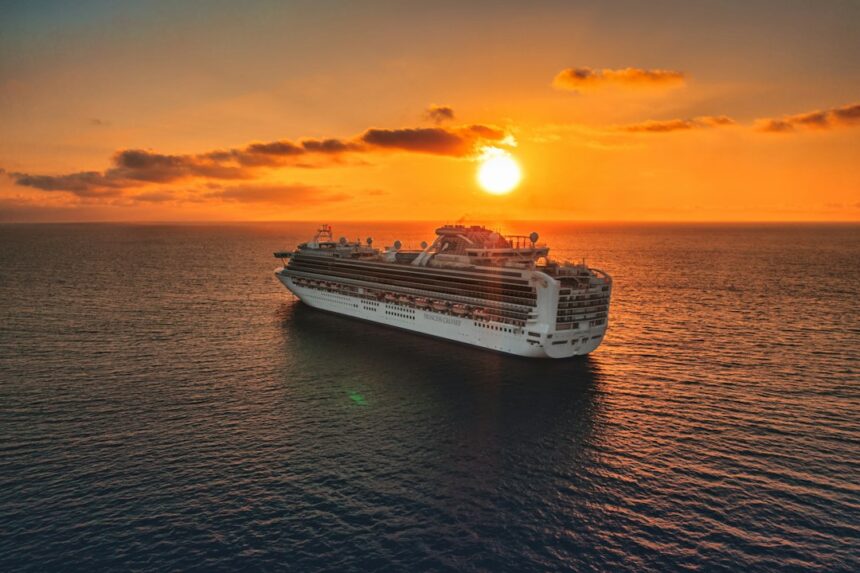
The effect on the cruise sector, a significant player in Greenland’s maritime landscape, remains uncertain due to a lack of public data regarding the number of scrubber-equipped vessels transiting its waters. Notably, Greenland welcomed approximately 94,000 cruise passengers through 232 voyages in 2025, a factor that raises considerations for future compliance challenges and potential alterations in operational strategies.
Why It Matters
The phased ban on scrubber discharges in Greenland marks a critical turning point in environmental policy affecting maritime operations in the Arctic. As shipping regulations become increasingly stringent, operators will need to evaluate their compliance strategies and the feasibility of transitioning to cleaner fuels. The cumulative effect of these regulations could reshape operational norms, particularly for cruise lines and cargo carriers reliant on scrubbers, as they face elevated scrutiny and potential operational disruptions. Close monitoring of regulatory developments and environmental outcomes will be essential for the maritime industry moving forward.