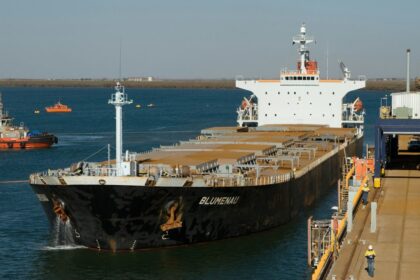
Himalaya Shipping, backed by Tor Olav Trøim, has successfully secured new time charter agreements for two of its Newcastlemax bulk carriers. The arrangements extend the minimum employment for these vessels until October 2027, effective from November 3.
Details of the Agreements
The recent charters are a continuation of previous deals with the existing charterer, ensuring a seamless transition as the older contracts were set to expire. This strategic decision not only provides stability to the company’s revenue stream but also reflects the sustained demand within the dry bulk market.
Market Context
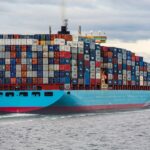
Newcastlemax vessels are designed to transport thermal coal and are a significant segment within the dry bulk shipping sector. Their ability to carry up to 208,000 deadweight tons makes them pivotal in meeting the logistical requirements of coal producers and importers. The extension of these charters highlights a positive sentiment in market conditions, even as fluctuations continue to challenge various shipping sectors.

Operator Response
Himalaya Shipping’s move to secure long-term charters may be seen as a proactive strategy in response to shifting market dynamics. By locking in contracts over an extended period, the company capitalizes on the current market demand while mitigating potential volatility in freight rates. This approach is particularly advantageous for operators aiming to maintain competitive advantages in an increasingly unpredictable environment.
Behind the Headline
The securing of long-term charters for Newcastlemax vessels signifies a strategic alignment with market needs, providing a hedge against potential downturns in freight rates. For shipping operators, such arrangements ensure steady cash flow, crucial for planning and operational stability. The commitment to these vessels until October 2027 not only reflects confidence in the dry bulk sector but also may influence charter rates as demand fluctuates globally. Operators should watch for emerging trends that could impact cargo volume and shipping costs in this segment.