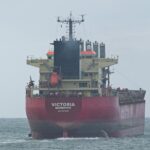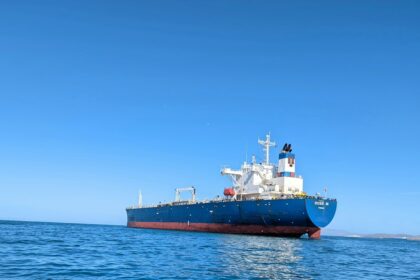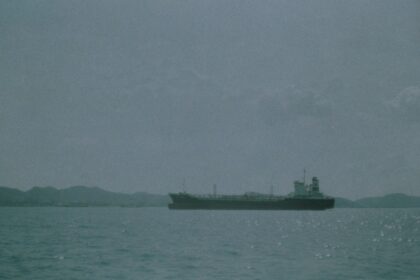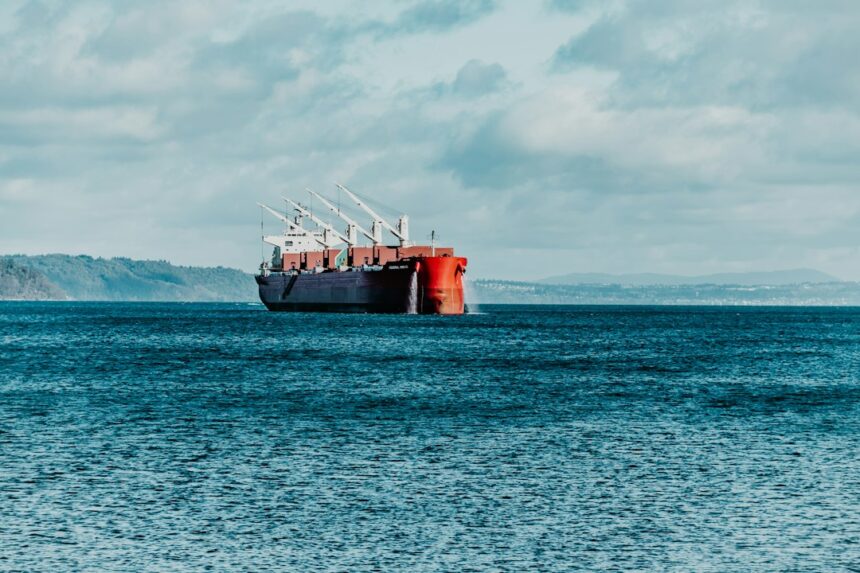
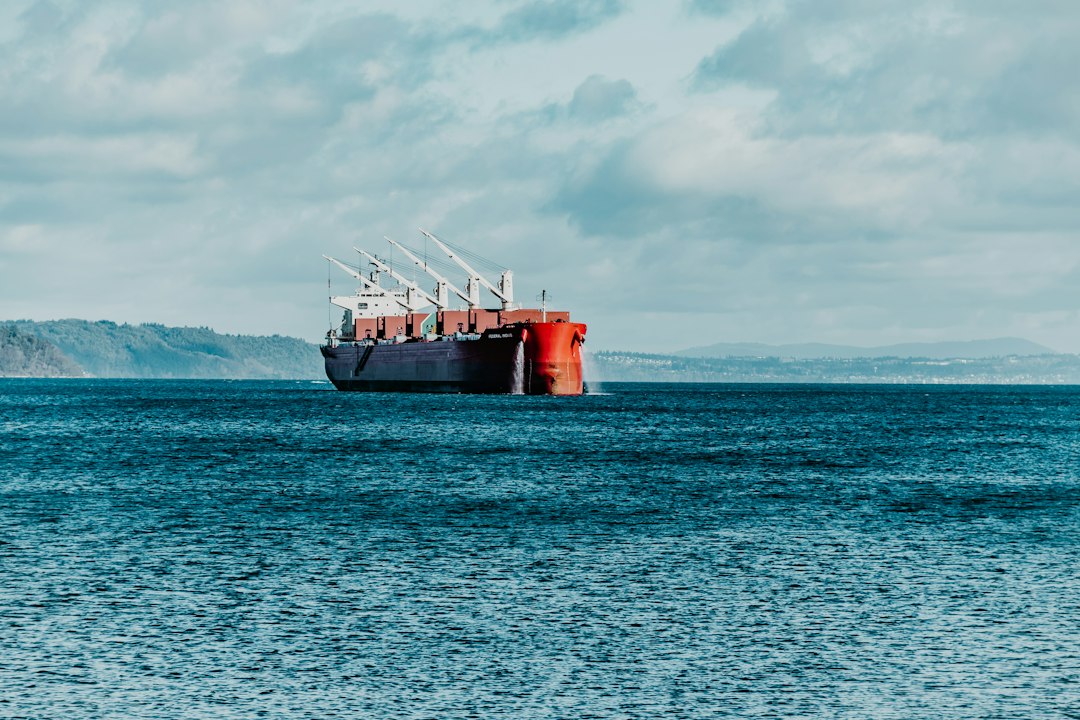
The liquefied natural gas carrier Al Mayeda was attacked near the Strait of Hormuz on Friday, marking a significant incident as the vessel was previously cleared for passage by Iranian authorities. The Marshall Islands-flagged vessel was navigating towards Pakistan while loaded with LNG from Qatar when it came under fire, forcing it to reverse course into the Persian Gulf.
The Incident
Sources indicate that the attack was a projectile strike, although specifics surrounding the assailants remain unclear. According to Indian Shipping Minister Sarbananda Sonowal, all 25 crew members, including six Indian nationals, have been confirmed safe following the incident. Qatar Gas Transport Company, also known as Nakilat, has indicated that Al Mayeda remains operational and is under assessment following the attack.
Geopolitical Context
This incident underscores the precarious nature of maritime operations in the Strait of Hormuz, a vital corridor for LNG shipments. The strategic significance of this waterway is heightened by ongoing geopolitical tensions in the region. Over the past month, Pakistan has successfully coordinated with Iran for the safe passage of several Qatari LNG shipments. However, this recent event raises serious concerns about the future of such arrangements.

The attack arrives at a critical juncture for Pakistan, grappling with an energy shortfall exacerbated by regional turmoil. Without this LNG shipment, the country may be compelled to source natural gas from the spot market, where prices have surged to levels more than three times pre-war costs.
Market Implications
Qatar’s foreign ministry issued a statement condemning the attack and emphasized its intention to safeguard its vessels and crews in accordance with international law. As the geopolitical landscape remains unstable, shipping operators must consider increased risk premiums and potential security measures for vessels transiting through Hormuz. Regular assessments and established passage agreements will be critical in navigating these higher-risk environments.
The Operational Read
This incident serves as a stark reminder of the risks faced by LNG operators navigating through the Strait of Hormuz. For owners, charterers, and operators, the incident may prompt a reevaluation of risk assessments that inform their operational and insurance strategies. As tensions in the region continue to rise, attention will be focused on how carriers manage their routes and secure cargo. Additionally, the implications for energy supply chains in Pakistan could lead to shifts in sourcing strategies, notably if prices in the spot market remain elevated. Operators will need to remain alert to further escalations that could disrupt maritime logistics in this critical energy corridor.