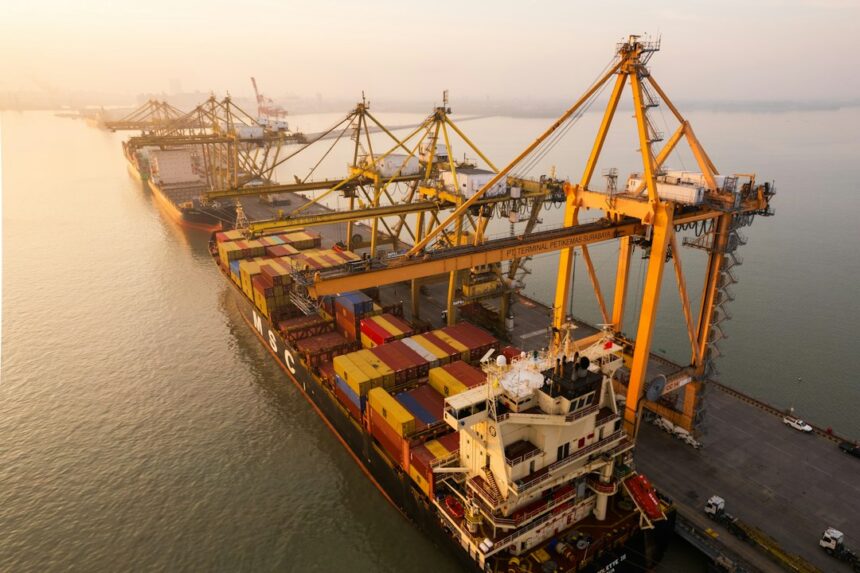
The U.S. Trade Representative (USTR) announced a two-month suspension of new port fees for Chinese vessels, extending the timeline initially set to begin on November 10. This delay comes amid ongoing trade negotiations between the United States and China, allowing stakeholders to provide public comments until October 30.
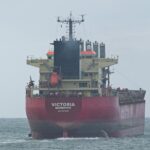
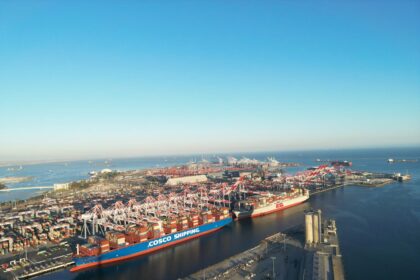
The implementation of these fees, originally proposed in February 2025 and published in the Federal Register, follows a Section 301 investigation that deemed certain Chinese trade practices unfair and restrictive towards U.S. commerce. The USTR had intended to impose service fees of up to $1.5 million for Chinese-built ships docking at U.S. ports, and $1 million for vessels operated by Chinese companies.
Market Context
The initial proposal emerged in response to a reciprocal move by China, which introduced similar port charges for U.S.-linked vessels. The broader aim of these maritime charge adjustments is to recalibrate trade relations and protect domestic shipping interests amid a complex international landscape.

Liquid bulk brokers and shipping operators will be closely monitoring developments as they evaluate their strategies. The bulk liquid market, particularly, remains vulnerable to fluctuating regulations and fees, which can directly influence operational costs. Most liquid tankers—which are primarily built in China, Japan, and South Korea—could see significant financial implications from these suspended fees.
Future Developments
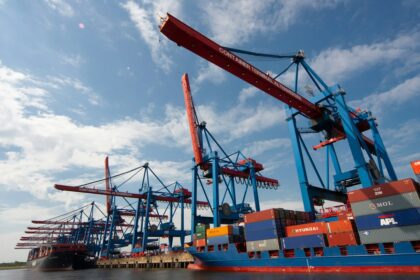
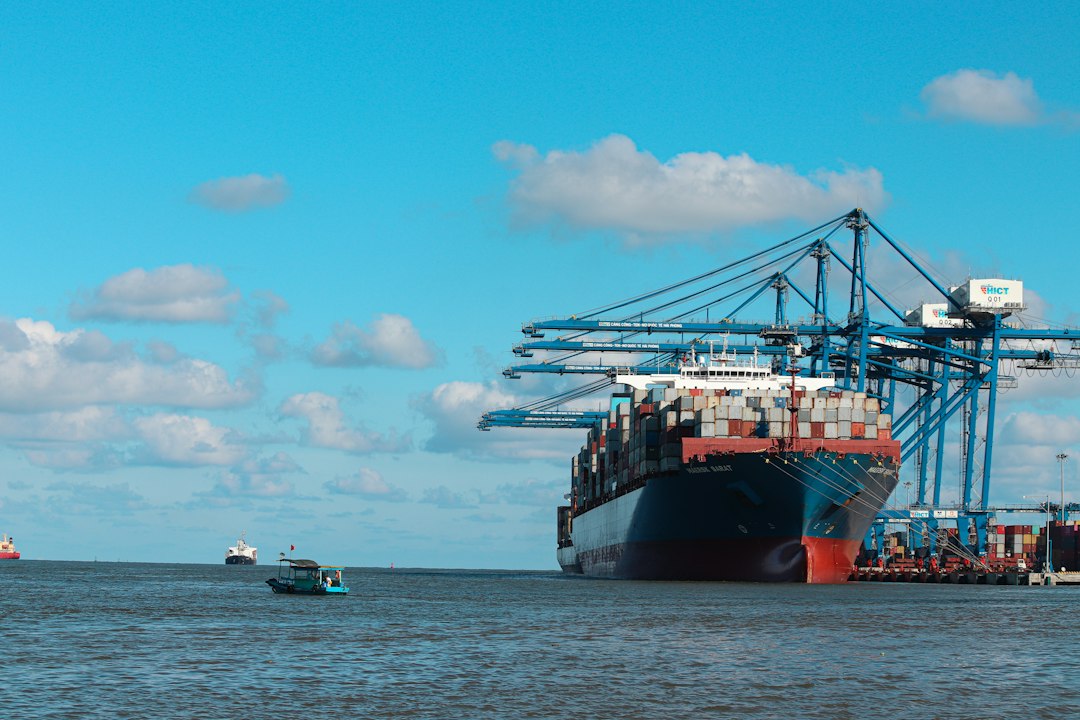
Trade experts anticipate that the ongoing negotiations will evolve prior to the new fees’ revised effective date of January 9, should no other agreements be reached. The potential ramifications extend beyond just tanker operations; container ships also play a crucial role in the shipment of polymers and isotanked liquid chemicals. Any changes in fees could ripple through the chemicals markets, affecting supply chains for products such as polyethylene (PE) and polypropylene (PP).
Behind the Headline
The suspension of port fees reflects heightened scrutiny in U.S.-China trade relationships, particularly in the maritime sector. As operators factor in evolving regulatory environments, their logistics and bunker management strategies may require significant adjustment. The broader shipping market is poised to react based on the outcomes of public sentiment and subsequent negotiations between the two nations. Stakeholders must prepare to adapt quickly to emerging changes, ensuring compliance and cost-effectiveness amidst shifting legislative frameworks.