

On October 19, an alarming statement from the Iranian Revolutionary Guard Corps (IRGC) indicated a heightened threat to crucial subsea internet cables in the Strait of Hormuz, a vital corridor for global maritime traffic. The spokesperson, Hossein Mohebbi, announced that Iran has designated seven significant internet cables as potential military targets, suggesting that new weaponry and tactics would be implemented to protect these assets.
Current data indicates that six operational cables, including notable ones such as 2Africa, AAE-1, and FALCON, traverse the Strait of Hormuz, with two additional cables scheduled for completion in 2027. The IRGC’s estimate aligns closely with the figures reported by TeleGeography, which tracks global internet infrastructure.
Strategic Importance of the Cables
The internet cables mentioned are critical not only for domestic communications but also for international data connections. Iraq, Kuwait, Bahrain, and Qatar are the most exposed, as every cable they rely on connects to the Gulf and must pass through Hormuz. Each nation is gravely dependent on these cables for their internet infrastructure; Iraq utilizes three cables via Al Faw, while Qatar manages seven cables, making their subsea traffic vulnerable to interruptions.

Even with advanced cable networks, UAE and Saudi Arabia are not immune to disruptions. The UAE has multiple cables landing on its Gulf coast and additional lines at Fujairah and Kalba, outside the immediate threat zone but still potentially impacted by Iran’s reach. Saudi Arabia’s redundancy in cable placement—14 cables extending to the Red Sea—offers some buffer but does not guarantee immunity; recent incidents have shown that even established routes can be compromised, as seen when two Red Sea cables were severed in September 2025.
Recent Developments and Implications
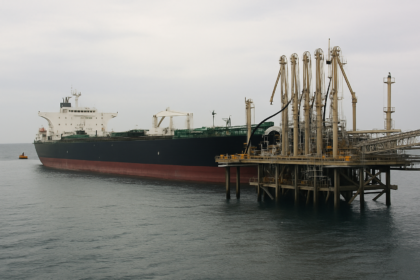
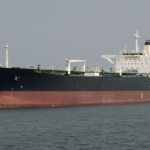
The IRGC announcement did not arise in a vacuum. In the two weeks leading up to the declaration, two OFAC-sanctioned tankers with links to Iran were tracked maneuvering over the same cable corridors. These vessels, identified by Windward’s maritime analytics platform, were documented idling in ballast near critical cable pathways, raising suspicions of deliberate harassment or reconnaissance. Such behavior underscores Iran’s ongoing strategy of exerting influence in the region while signaling potential repercussions for maritime operations.
This environment of uncertainty encourages regional firms to reassess their operational strategies with regard to cybersecurity and data routing. With the potential for increased hostility towards cable targets, businesses reliant on efficient communication networks must evaluate contingency plans should such threats materialize in concrete actions.
The Operational Read
The implications of Iran’s threats against subsea internet cables in the Strait of Hormuz extend beyond mere geopolitical posturing. For shipping operators and logistics firms, the prospect of disrupted connectivity raises immediate questions about contingency routing and cargo management. Vulnerability is not equally distributed, with certain Gulf states facing significant operational risks due to their reliance on these cables passing through Hormuz. The movement of OFAC-sanctioned vessels in proximity to these infrastructural assets further complicates the risk assessment for operators. Monitoring ongoing vessels’ activities and potential shifts in regional military posture will be essential for stakeholders looking to mitigate risk and maintain those strategic network connections vital for global trade.