

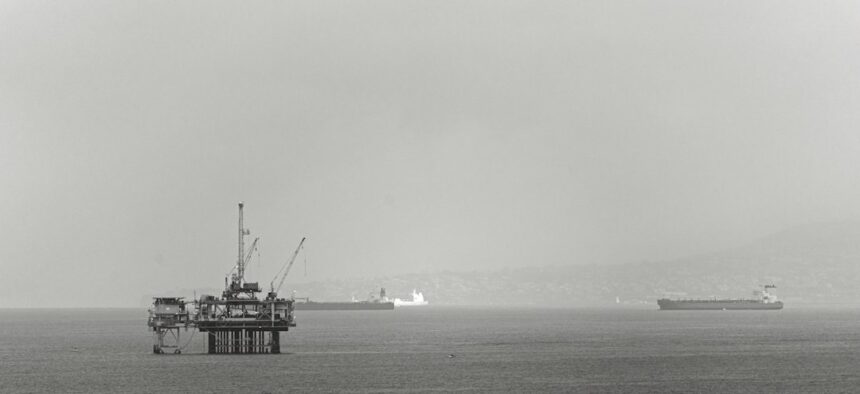
U.S. crude oil exports to Asia are poised to fall to multi-year lows as ongoing disruptions from the Iran conflict escalate shipping costs to unprecedented levels. Reports indicate that orders for U.S. crude scheduled for delivery in November have plummeted nearly 50%, with current projections ranging from 24 million to 26 million barrels. This decline positions U.S. exports toward a potential seven-year low.
The escalation of tanker leasing rates has reached staggering heights, with costs for shipping crude along the U.S. Gulf Coast-to-China route more than tripling since late February’s conflict initiation. As of Thursday, costs have approached $60 million, having peaked at approximately $79.6 million early this month—compared to an average of less than $8 million over the preceding five years.
Impact on U.S. Pricing and Export Strategies
The implications of these soaring freight rates are profound. Analysts estimate that refiners are now spending between $30 to $35 to transport each barrel of crude from the Gulf Coast to Asia, which translates to a seven-fold increase from the previous year. According to Valero Energy Inc.’s oil trading head, Randy Hawkins, the freight rates are the dominant narrative currently influencing the market.


The International Energy Agency (IEA) has reported that shipping costs from the Gulf have reached over $37 per barrel, illustrating an increase to five times pre-war levels. Such spikes are beginning to ripple through U.S. crude pricing dynamics; for instance, oil from the Permian Basin, which was trading at $3 above benchmark futures just six weeks prior, has seen prices narrow to just 25 cents above the benchmark at the Magellan East Houston hub.
Concurrently, the medium sour export grade, Mars, has experienced a drastic reduction in its premium to futures, plummeting from $17.50 to $6 amidst these shifts.
Logistical Challenges and Market Outlook
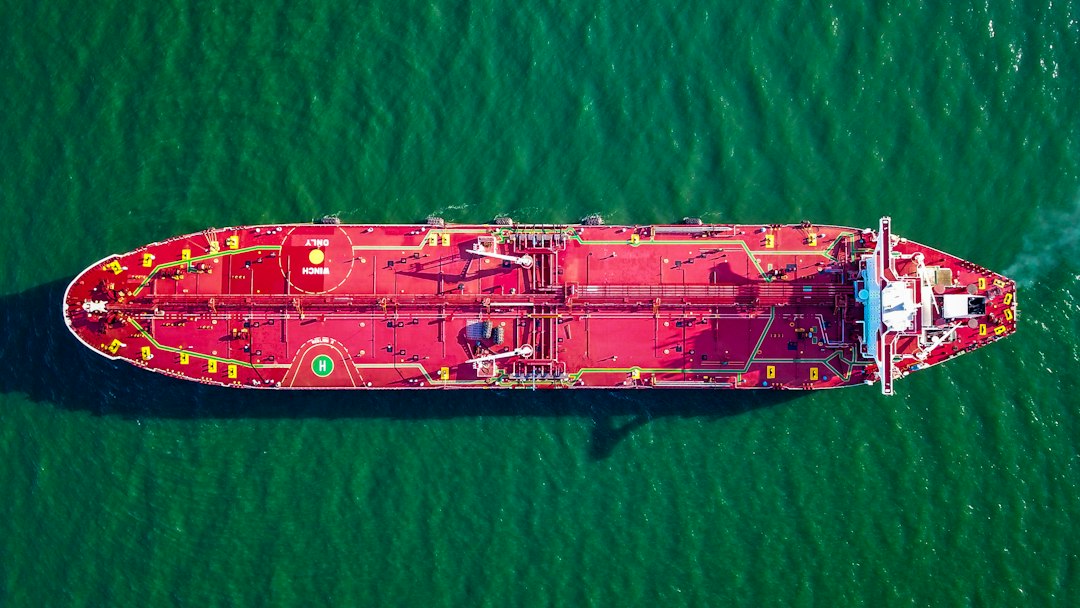
The situation is exacerbated by a constrained global tanker availability. Smaller vessels are increasingly utilized to transport crude from the Persian Gulf, where the threat of Iranian attacks looms. These vessels subsequently transfer their cargo to larger tankers in the Gulf of Oman—a process noted by Hawkins as inefficient, complicating shipping logistics and straining available maritime resources.
Despite the bleak outlook for November cargo volumes, there are indications that these figures could rise to as high as 40 million barrels through last-minute trades. However, analysts from Vortexa express skepticism regarding a significant recovery in demand, emphasizing that current trends do not support any near-term surge in volumes.
Behind the Headline
The pronounced increase in tanker leasing rates, largely driven by geopolitical tensions, significantly impacts operational strategies for companies involved in crude oil logistics. Higher freight costs lead to reevaluation of contracts and shipping routes, compelling refiners and traders to adapt their pricing strategies. As shipping costs are now a critical factor in the overall profitability of U.S. exports to Asia, market participants must closely monitor ongoing geopolitical developments and their influence on shipping logistics. Future cargo demand fluctuations will be essential to watch as traders navigate the uncertain waters of international shipping.